
Stage Iii Pancreatic Cancer
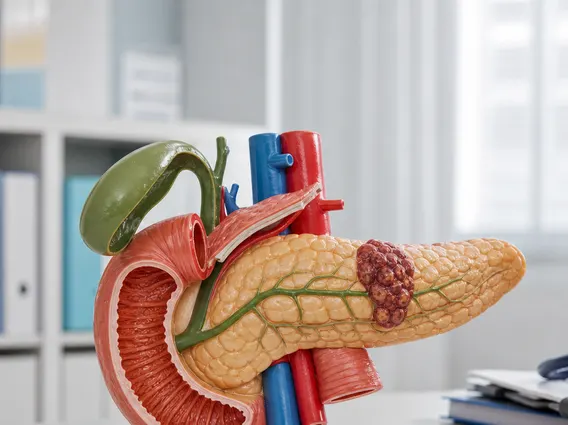
Pancreatic cancer is a challenging disease, and understanding its stages is crucial for effective management. Stage III pancreatic cancer represents a locally advanced form of the disease, where the tumor has grown beyond the pancreas but has not yet spread to distant organs.
Key Takeaways
- Stage III Pancreatic Cancer is locally advanced, meaning it has spread to nearby blood vessels or lymph nodes but not distant sites.
- Symptoms often appear late and can include abdominal pain, weight loss, jaundice, and digestive issues.
- Diagnosis involves imaging scans, biopsies, and blood tests to confirm the stage.
- Treatment typically involves a combination of chemotherapy, radiation, and sometimes surgery, aiming to control the disease and improve quality of life.
- Prognosis varies significantly based on individual factors and response to treatment.
What is Stage Iii Pancreatic Cancer?
Stage Iii Pancreatic Cancer refers to a locally advanced stage of pancreatic adenocarcinoma, where the tumor has grown beyond the pancreas and invaded major blood vessels nearby, such as the superior mesenteric artery or celiac axis, or has spread to regional lymph nodes. However, it has not metastasized to distant organs. This distinction is critical for treatment planning, as it often means the cancer is not surgically resectable at the time of diagnosis, though neoadjuvant therapies may be used to shrink the tumor and potentially make it operable. According to the American Cancer Society, pancreatic cancer is relatively rare but has a high mortality rate, making early detection and accurate staging vital for patient outcomes.
Symptoms of Stage Iii Pancreatic Cancer
The stage 3 pancreatic cancer symptoms often manifest late in the disease progression, which contributes to the challenge of early diagnosis. As the tumor grows and potentially compresses or invades surrounding structures, a variety of signs can emerge. These symptoms are not exclusive to pancreatic cancer and can be indicative of other conditions, necessitating thorough medical evaluation.
Common symptoms may include:
- Abdominal or back pain: This can be a dull ache in the upper abdomen that radiates to the back, often worsening after eating or when lying down.
- Unexplained weight loss and loss of appetite: The cancer can affect digestion and metabolism, leading to significant and unintentional weight loss.
- Jaundice: If the tumor blocks the bile duct, it can cause yellowing of the skin and eyes, dark urine, and itchy skin.
- Digestive issues: Nausea, vomiting, indigestion, and changes in bowel habits (such as fatty stools) can occur as the pancreas’s digestive functions are impaired.
- New-onset diabetes or worsening of existing diabetes: The pancreas produces insulin, and its function can be affected by the tumor.
- Fatigue and weakness: General malaise and a lack of energy are common as the body fights the disease.
Stage Iii Pancreatic Cancer Treatment and Prognosis
Managing stage 3 pancreatic cancer treatment typically involves a multidisciplinary approach, combining various therapies to control tumor growth, alleviate symptoms, and improve quality of life. Because Stage III cancer is often locally advanced and unresectable at initial diagnosis, treatment strategies frequently focus on systemic therapies.
Primary treatment modalities include chemotherapy, which is often the first line of treatment, aiming to shrink the tumor, destroy cancer cells, and prevent further spread. It can be administered before surgery (neoadjuvant) to make the tumor resectable, or after surgery (adjuvant) to eliminate remaining cancer cells. Radiation therapy is often used in conjunction with chemotherapy (chemoradiation) to target the tumor with high-energy rays, killing cancer cells and reducing tumor size, which helps control local disease progression and manage pain. While many Stage III cases are initially deemed unresectable, neoadjuvant chemotherapy and/or radiation can sometimes shrink the tumor enough to allow for surgical removal (resection). Procedures like the Whipple procedure (pancreaticoduodenectomy) or distal pancreatectomy may be performed depending on the tumor’s location. Palliative care is an essential component of treatment at all stages, focusing on managing symptoms, pain, and side effects of treatment to enhance the patient’s comfort and well-being.
The stage 3 pancreatic cancer prognosis varies significantly among individuals and depends on several factors, including the tumor’s exact location and size, the extent of vascular involvement, the patient’s overall health, and their response to treatment. While Stage III is advanced, advancements in treatment protocols, particularly neoadjuvant therapies, have shown promise in improving outcomes for some patients. It is crucial for patients and their families to discuss their specific situation and prognosis with their oncology team.



















