
Nodular Parenchyma
Nodular parenchyma is a descriptive term used in medical imaging to characterize a specific appearance of tissue, often observed in organs like the lungs, liver, or kidneys. It indicates the presence of multiple small, rounded lesions or nodules scattered throughout the organ’s functional tissue.
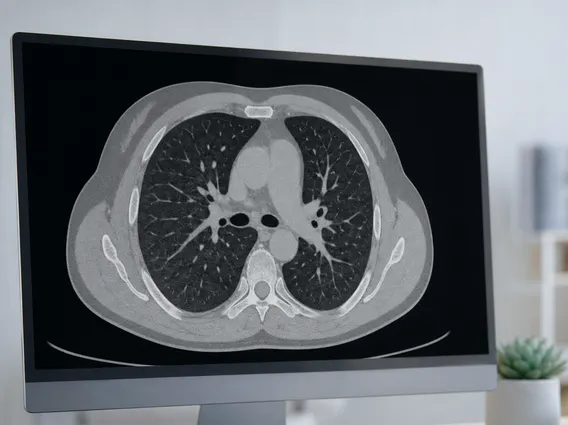
Key Takeaways
- Nodular parenchyma describes a medical imaging finding of multiple small nodules within an organ’s tissue.
- It is not a disease itself but a sign that can point to various underlying conditions, ranging from benign to serious.
- Causes are diverse, including infections, inflammatory diseases, and neoplastic processes.
- Symptoms vary widely depending on the affected organ and the underlying cause.
- Accurate diagnosis requires further investigation beyond the initial imaging finding.
What is Nodular Parenchyma?
Nodular parenchyma refers to a radiological finding where imaging studies, such as CT scans or MRIs, reveal numerous small, rounded lesions or nodules distributed throughout the functional tissue (parenchyma) of an organ. This appearance suggests a diffuse process affecting the organ rather than a single, isolated mass. The presence of nodular parenchyma meaning is primarily descriptive, indicating a pattern rather than a specific diagnosis. It prompts clinicians to investigate further to determine the underlying cause, which can range from benign conditions to more serious diseases. The size, distribution, and characteristics of these nodules can provide crucial clues for differential diagnosis.
Causes of Nodular Parenchyma
The conditions leading to nodular parenchyma causes are diverse and depend heavily on the organ involved. In the lungs, for instance, common causes include infections, inflammatory conditions, and certain types of cancer.
- Infections: Fungal infections (e.g., histoplasmosis, coccidioidomycosis), mycobacterial infections (e.g., tuberculosis), and parasitic infections can manifest as nodular patterns.
- Inflammatory and Granulomatous Diseases: Conditions like sarcoidosis, rheumatoid arthritis (with rheumatoid nodules), and granulomatosis with polyangiitis often present with nodular changes. Sarcoidosis, for example, is a multisystem inflammatory disease that affects the lungs in over 90% of cases, often presenting with nodular infiltrates (Source: American Lung Association).
- Neoplastic Conditions: Metastatic cancer, where cancer cells spread from a primary tumor to other organs, frequently appears as multiple nodules. Primary lung cancers can also present with multifocal nodules, though less commonly than metastases. Lymphoma can also cause nodular patterns.
- Vascular Disorders: Conditions involving blood vessels, such as pulmonary arteriovenous malformations, can sometimes mimic nodular parenchyma.
- Pneumoconioses: Occupational lung diseases caused by inhaling dust (e.g., silicosis, coal worker’s pneumoconiosis) can lead to the formation of small nodules.
In other organs, such as the liver, nodular parenchyma might indicate cirrhosis, metastatic disease, or multifocal hepatocellular carcinoma. In the kidneys, it could suggest polycystic kidney disease or multifocal renal cell carcinoma.
Recognizing Nodular Parenchyma Symptoms
The nodular parenchyma symptoms are not specific to the imaging finding itself but are instead related to the underlying disease causing the nodules and the organ affected. Since nodular parenchyma is a radiological observation, patients typically experience symptoms associated with the primary condition.
For example, if the lungs are affected, symptoms might include:
- Persistent cough
- Shortness of breath (dyspnea)
- Chest pain or discomfort
- Fatigue
- Unexplained weight loss
- Fever and night sweats (especially with infections or inflammatory conditions)
If the liver is involved, symptoms could include:
- Jaundice (yellowing of skin and eyes)
- Abdominal pain or swelling
- Nausea and vomiting
- Dark urine or pale stools
It is crucial to understand that many conditions causing nodular parenchyma, especially in their early stages, might be asymptomatic. The nodules may only be discovered incidentally during imaging performed for unrelated reasons. Therefore, a thorough clinical evaluation, including a detailed medical history, physical examination, and further diagnostic tests (such as biopsies or specific blood tests), is essential to identify the root cause and guide appropriate treatment.



















