
Nonhematologic Cancer
Nonhematologic cancer refers to malignancies that originate in solid organs or tissues, distinguishing them from cancers of the blood or bone marrow. Understanding these cancers is crucial for early detection and effective treatment strategies.
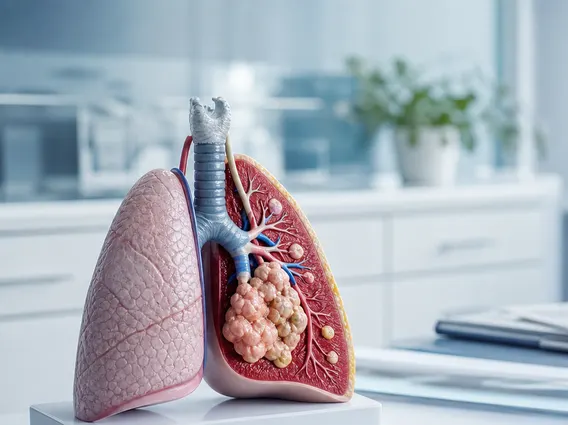
Key Takeaways
- Nonhematologic cancers arise from solid organs and tissues, unlike blood cancers.
- They encompass a wide range of malignancies, including carcinomas and sarcomas.
- Risk factors vary but often include genetics, lifestyle, and environmental exposures.
- Symptoms are diverse and depend heavily on the cancer’s location and stage.
- Early diagnosis and appropriate medical intervention are vital for improved outcomes.
What is Nonhematologic Cancer?
Nonhematologic cancer refers to malignancies that develop in the body’s solid organs and tissues, rather than in the blood-forming cells or lymphatic system. This broad category includes the vast majority of cancers diagnosed worldwide. Unlike hematologic cancers (leukemias, lymphomas, myelomas) which affect blood, bone marrow, and lymph nodes, nonhematologic cancers form solid tumors. Understanding what is nonhematologic cancer involves recognizing its origin in epithelial tissues (carcinomas), connective tissues (sarcomas), or other specialized cells, leading to a diverse array of clinical presentations and treatment approaches. These cancers are characterized by uncontrolled cell growth and the potential to invade surrounding tissues and metastasize to distant sites.
Types and Causes of Nonhematologic Cancer
The types of nonhematologic cancer are extensive, reflecting the diversity of solid organs and tissues in the human body. The two primary categories are carcinomas and sarcomas. Carcinomas originate in epithelial cells, which line organs and cover surfaces, and include common cancers such as:
- Lung cancer
- Breast cancer
- Colorectal cancer
- Prostate cancer
- Skin cancer (melanoma and non-melanoma)
Sarcomas, on the other hand, develop in connective tissues like bone, cartilage, fat, muscle, or blood vessels. Less common types include germ cell tumors, neuroendocrine tumors, and brain and spinal cord tumors.
The causes of nonhematologic cancer are multifactorial, often involving a complex interplay of genetic predisposition, environmental factors, and lifestyle choices. While the exact cause can vary significantly between different types of cancer, common risk factors include inherited genetic mutations (e.g., BRCA1/2 in breast cancer), lifestyle factors such as smoking, excessive alcohol consumption, poor diet, physical inactivity, and obesity. Environmental exposures to carcinogens like asbestos, radiation, certain chemicals, and air pollution also play a role. Chronic infections with certain viruses (e.g., HPV in cervical cancer) or bacteria (e.g., H. pylori in stomach cancer) can also increase risk. Furthermore, the risk of developing most nonhematologic cancers increases significantly with age. According to the World Health Organization (WHO), cancer is a leading cause of death worldwide, with an estimated 10 million deaths in 2020, a significant portion of which are attributable to nonhematologic types. (Source: WHO)
Symptoms of Nonhematologic Cancer
The nonhematologic cancer symptoms are highly variable, depending on the specific type of cancer, its location, size, and whether it has spread. Early-stage cancers may be asymptomatic, making regular screenings crucial for detection. When symptoms do appear, they can be general or specific.
General symptoms that may indicate various cancers include unexplained weight loss, persistent fatigue, fever of unknown origin, night sweats, and loss of appetite. More specific symptoms often relate to the affected organ or tissue. For example:
- Breast Cancer: A new lump or mass in the breast, changes in breast size or shape, nipple discharge.
- Lung Cancer: Persistent cough, shortness of breath, chest pain, coughing up blood.
- Colorectal Cancer: Changes in bowel habits, blood in stool, abdominal pain, unexplained anemia.
- Prostate Cancer: Difficulty urinating, frequent urination, blood in urine or semen, pain in the lower back, hips, or thighs.
- Skin Cancer: A new mole or a change in an existing mole (asymmetry, irregular border, color variation, diameter >6mm, evolving), non-healing sores.
It is important to note that these symptoms can also be caused by non-cancerous conditions. However, persistent or concerning symptoms should always prompt a consultation with a healthcare professional for proper diagnosis and timely intervention.



















