
Noninvasive
Noninvasive procedures are a cornerstone of modern medicine, offering effective diagnostic and therapeutic options without requiring incisions or the insertion of instruments into the body. This approach prioritizes patient comfort and safety while minimizing risks associated with more invasive interventions.
Key Takeaways
- Noninvasive procedures avoid breaking the skin or entering body cavities.
- They are often preferred due to lower risks, reduced pain, and faster recovery times.
- Common examples include imaging tests like MRI and ultrasound, as well as external therapies.
- These techniques play a crucial role in both diagnosis and treatment across various medical fields.
- The primary goal is to achieve medical outcomes with minimal bodily disruption.
What is Noninvasive?
Noninvasive refers to medical procedures or treatments that do not involve breaking the skin, entering body cavities, or otherwise disrupting the body’s natural barriers. These techniques aim to diagnose, monitor, or treat conditions from outside the body, significantly reducing the risks typically associated with surgical or internal interventions. The core principle is to achieve medical objectives with the least possible physical impact on the patient. This approach often leads to greater patient comfort, fewer complications, and quicker recovery periods compared to invasive methods.
Common Noninvasive Medical Procedures and Treatments
Modern medicine utilizes a wide array of noninvasive techniques across various specialties. These procedures are designed to provide crucial information or deliver therapy without the need for incisions or internal probes. Some common examples of noninvasive treatments and diagnostic procedures include:
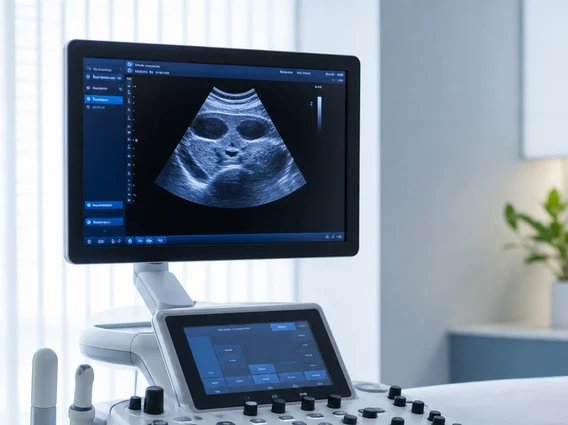
- Imaging Tests: Magnetic Resonance Imaging (MRI), Computed Tomography (CT) scans, X-rays, and ultrasounds allow doctors to visualize internal structures and identify abnormalities without any physical intrusion. For instance, an ultrasound can safely monitor fetal development during pregnancy.
- External Therapies: This category includes treatments like external beam radiation therapy for cancer, which delivers radiation from outside the body, and transcutaneous electrical nerve stimulation (TENS) for pain relief, which uses electrodes placed on the skin.
- Physical Examinations: Basic check-ups, blood pressure measurements, and listening to heart and lung sounds with a stethoscope are fundamental noninvasive diagnostic tools.
- Blood and Urine Tests: While blood draws involve a needle stick, the analysis itself is noninvasive, providing vast amounts of information about a patient’s health status.
- Electrocardiography (ECG/EKG): This test records the electrical activity of the heart using electrodes placed on the skin, helping to diagnose various heart conditions.
- Spirometry: A test that measures lung function by having a patient breathe into a device, essential for diagnosing respiratory conditions like asthma or COPD.
These methods collectively demonstrate how noninvasive medical procedures can offer comprehensive care, from initial diagnosis to ongoing treatment and monitoring, all while prioritizing patient safety and comfort.
Benefits of Noninvasive Techniques
The widespread adoption of noninvasive approaches in healthcare is largely driven by their significant advantages for patients. The primary benefits of noninvasive techniques revolve around minimizing risk, discomfort, and recovery time.
- Reduced Risk of Complications: Without incisions, there’s a lower risk of infection, bleeding, and adverse reactions to anesthesia, which are common concerns with invasive surgeries.
- Less Pain and Discomfort: Patients typically experience less pain during and after noninvasive procedures, often requiring minimal or no pain medication.
- Faster Recovery Times: Since the body isn’t subjected to physical trauma, recovery is generally quicker, allowing patients to return to their normal activities much sooner. This can significantly reduce hospital stays or even allow for outpatient care.
- Cost-Effectiveness: In many cases, noninvasive procedures can be less expensive than their invasive counterparts due to reduced hospital time, fewer resources needed, and lower risk of post-procedure complications.
- Increased Patient Comfort and Acceptance: The prospect of a noninvasive procedure is often less daunting for patients, leading to greater willingness to undergo necessary diagnostic tests or treatments.
- Broader Applicability: Noninvasive methods can often be used for a wider range of patients, including those who may be too frail or have contraindications for invasive surgery.
These advantages highlight why noninvasive medicine continues to be a crucial and evolving field, constantly seeking new ways to improve patient outcomes with minimal intervention.



















