
Stage Iii Prostate Cancer
Stage III prostate cancer represents a significant stage in the progression of prostate cancer, indicating that the cancer has grown beyond the prostate gland but has not yet spread to distant parts of the body. Understanding this stage is crucial for patients and their families to make informed decisions about care and treatment.
Key Takeaways
- Stage III Prostate Cancer means the cancer has spread locally outside the prostate, often to the seminal vesicles, but not to distant organs.
- Symptoms may include urinary issues, pelvic pain, or erectile dysfunction, though early stages are often asymptomatic.
- Treatment typically involves a combination of radiation therapy and hormone therapy, with surgery considered in specific cases.
- Prognosis for Stage III is generally favorable with appropriate treatment, though it varies based on individual factors like Gleason score and PSA levels.
What is Stage III Prostate Cancer?
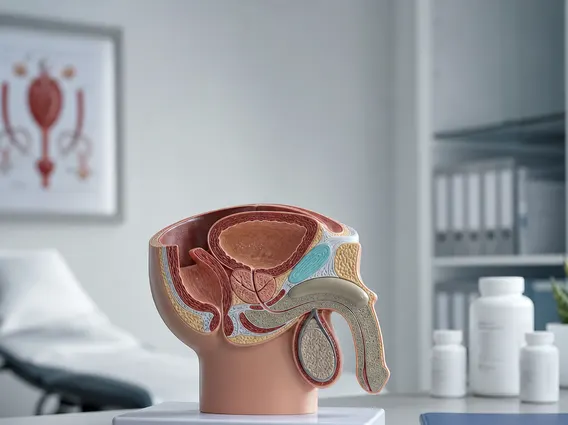
Stage III Prostate Cancer refers to a localized advanced form of prostate cancer where the malignant cells have grown beyond the prostate gland itself. This stage is characterized by the tumor extending through the capsule of the prostate into surrounding tissues, most commonly the seminal vesicles, which are glands located behind the prostate that produce fluid for semen. However, at this stage, the cancer has not yet spread to nearby lymph nodes or distant organs such as bones, lungs, or the liver. Staging is determined by several factors, including the tumor’s size and extent (T stage), the prostate-specific antigen (PSA) level in the blood, and the Gleason score, which assesses the aggressiveness of the cancer cells.
According to the American Cancer Society, prostate cancer is the second most common cancer in American men, and understanding its stage is vital for guiding treatment decisions. Stage III indicates a higher risk of recurrence compared to earlier stages, but it is still considered curable with aggressive treatment strategies.
Symptoms of Stage III Prostate Cancer
While early-stage prostate cancer often presents without noticeable symptoms, the local advancement characteristic of Stage III can lead to a range of signs. These symptoms arise as the growing tumor and its local spread begin to affect nearby structures, particularly the bladder and urethra. It is important to note that many of these symptoms can also be caused by non-cancerous conditions, such as benign prostatic hyperplasia (BPH) or urinary tract infections, necessitating a thorough medical evaluation.
Common symptoms that may be associated with Stage III Prostate Cancer include:
- Frequent urination, especially at night.
- Difficulty starting or stopping urination.
- Weak or interrupted urine flow.
- Pain or burning during urination.
- Blood in the urine or semen.
- Persistent pain in the back, hips, or pelvis.
- Erectile dysfunction or difficulty achieving an erection.
Any persistent urinary or pelvic symptoms should prompt a visit to a healthcare professional for diagnosis and appropriate management.
Treatment and Prognosis for Stage III Prostate Cancer
The **treatment for Stage III Prostate Cancer** typically involves a multi-modal approach aimed at eradicating the cancer and preventing its further spread. Given the local advancement, combination therapies are often recommended to achieve the best outcomes. The specific treatment plan is tailored to the individual, considering factors such as age, overall health, PSA levels, Gleason score, and patient preferences.
Common treatment modalities include:
| Treatment Type | Description | Role in Stage III |
|---|---|---|
| Radiation Therapy | Uses high-energy rays to kill cancer cells. Can be external beam radiation (EBRT) or brachytherapy (radioactive seeds implanted). | Often a primary treatment, sometimes combined with hormone therapy. |
| Hormone Therapy (ADT) | Androgen Deprivation Therapy aims to reduce male hormones (androgens) that fuel prostate cancer growth. | Frequently used in conjunction with radiation therapy to enhance its effectiveness. |
| Radical Prostatectomy | Surgical removal of the entire prostate gland and seminal vesicles. | Considered for select patients, often followed by radiation or hormone therapy. |
| Chemotherapy | Uses drugs to kill cancer cells throughout the body. | Less common for initial Stage III treatment, typically reserved for cases that have spread or are resistant to hormone therapy. |
The **prognosis for Stage III Prostate Cancer** is generally favorable, especially with modern treatment advancements. While it is a more advanced stage than localized disease, it is often treatable with curative intent. According to the National Cancer Institute’s SEER data, the 5-year relative survival rate for regional prostate cancer (which includes Stage III) is approximately 96% (National Cancer Institute, Surveillance, Epidemiology, and End Results Program). It is crucial to remember that prognosis is highly individualized and depends on various factors, including the specific characteristics of the tumor, the patient’s response to treatment, and their overall health. Regular follow-up and monitoring are essential after treatment to detect any recurrence early.



















