
Nonmalignant Hematologic Disorder
Nonmalignant hematologic disorders encompass a broad spectrum of conditions affecting the blood and bone marrow that are not cancerous. These disorders can impact the production, function, or lifespan of red blood cells, white blood cells, or platelets, leading to various health challenges.
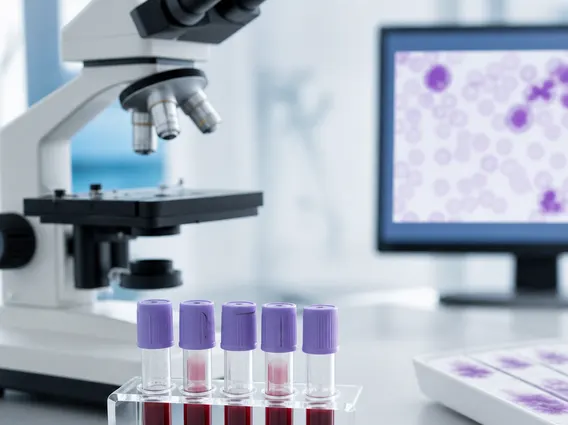
Key Takeaways
- Nonmalignant Hematologic Disorder refers to non-cancerous conditions affecting blood components.
- These disorders can involve red blood cells (e.g., anemia), white blood cells (e.g., neutropenia), or platelets (e.g., thrombocytopenia).
- Causes range from genetic factors and nutritional deficiencies to autoimmune responses and infections.
- Symptoms vary widely but often include fatigue, bruising, recurrent infections, and pallor.
- Accurate diagnosis is crucial for effective management and improving patient quality of life.
What is Nonmalignant Hematologic Disorder?
A Nonmalignant Hematologic Disorder is a condition that affects the blood, bone marrow, or lymphatic system but is not cancerous. These disorders can disrupt the normal production, function, or destruction of blood cells, including red blood cells, white blood cells, and platelets. Unlike malignant (cancerous) blood disorders such as leukemia or lymphoma, nonmalignant conditions do not involve uncontrolled cell growth that invades other tissues, though they can still significantly impact a person’s health and quality of life.
Understanding these conditions is vital because they are common and can present with a wide array of symptoms, often mimicking other diseases. Diagnosis typically involves blood tests, bone marrow examinations, and sometimes genetic testing to identify the specific type and underlying cause of the disorder. Effective management focuses on alleviating symptoms, preventing complications, and addressing the root cause where possible.
Types and Causes of Nonmalignant Blood Disorders
There are numerous types of benign blood disorders, each with distinct characteristics and potential impacts on health. These can be broadly categorized by the type of blood cell primarily affected. For instance, disorders affecting red blood cells often lead to anemia, characterized by insufficient oxygen delivery to tissues. White blood cell disorders can compromise the immune system, while platelet disorders can affect blood clotting.
The causes of nonmalignant blood diseases are diverse, ranging from genetic predispositions to environmental factors and acquired conditions. Some common causes include:
- Nutritional Deficiencies: Lack of essential vitamins and minerals, such as iron, vitamin B12, or folate, can impair blood cell production, leading to conditions like iron-deficiency anemia or pernicious anemia.
- Genetic Factors: Inherited conditions like sickle cell anemia, thalassemia, and hemophilia are passed down through families and affect the structure or function of blood components.
- Autoimmune Conditions: The immune system mistakenly attacks healthy blood cells or bone marrow, as seen in autoimmune hemolytic anemia or immune thrombocytopenia (ITP).
- Infections: Certain viral or bacterial infections can temporarily suppress bone marrow function or destroy blood cells, leading to conditions like transient aplastic anemia or post-infectious thrombocytopenia.
- Chronic Diseases: Kidney disease, inflammatory conditions, and certain liver diseases can interfere with blood cell production or increase their destruction.
- Medications and Toxins: Some drugs and exposure to certain chemicals can have adverse effects on bone marrow, leading to various blood count abnormalities.
According to the World Health Organization (WHO), nutritional anemias, particularly iron deficiency anemia, are among the most prevalent nonmalignant hematologic disorders globally, affecting billions of people, especially women and children.
Symptoms of Non-Cancerous Blood Conditions
The symptoms of non-cancerous blood conditions can vary significantly depending on the specific disorder, the type of blood cell affected, and the severity of the condition. However, many share common signs that prompt medical evaluation. Recognizing these symptoms early is crucial for timely diagnosis and management.
Common symptoms often include:
- Fatigue and Weakness: A pervasive feeling of tiredness, often due to anemia (low red blood cell count) which reduces oxygen delivery to tissues.
- Pallor: Unusually pale skin, gums, or nail beds, also a sign of anemia.
- Shortness of Breath: Difficulty breathing, especially during physical activity, resulting from reduced oxygen-carrying capacity.
- Dizziness or Lightheadedness: Often associated with anemia or low blood pressure due to insufficient blood volume.
- Easy Bruising or Bleeding: Indicative of platelet disorders (e.g., thrombocytopenia) or clotting factor deficiencies (e.g., hemophilia), leading to petechiae (small red spots), purpura (larger purple spots), nosebleeds, or heavy menstrual bleeding.
- Recurrent Infections: A hallmark of white blood cell disorders (e.g., neutropenia), where the body’s ability to fight off pathogens is compromised.
- Enlarged Spleen or Liver: Some disorders can cause these organs to swell as they try to compensate for abnormal blood cell production or destruction.
- Jaundice: Yellowing of the skin and eyes, which can occur in conditions involving excessive red blood cell destruction (hemolysis).
It is important to note that these symptoms can also be associated with other medical conditions. Therefore, a thorough medical examination and diagnostic testing are essential to accurately identify the underlying cause and determine the appropriate course of treatment.



















