
Noni
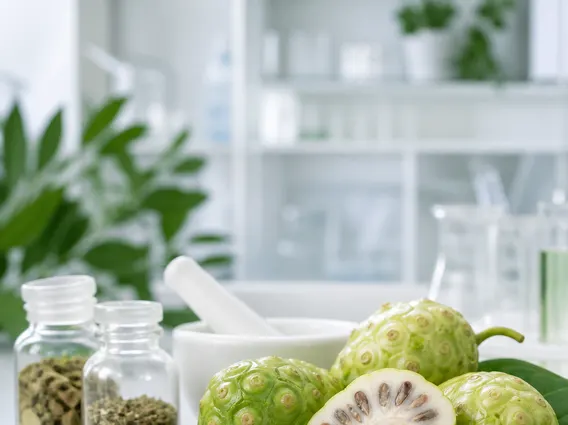
Noni refers to the fruit of the Morinda citrifolia plant, a tropical evergreen shrub or small tree native to Southeast Asia and the Pacific Islands. Historically, this fruit has been a staple in traditional Polynesian medicine for centuries, valued for its diverse applications.
Key Takeaways
- Noni is a tropical fruit (Morinda citrifolia) traditionally used in Polynesian medicine.
- It thrives in volcanic soils across regions like Southeast Asia, Australia, and the Pacific Islands.
- Both the fruit and its juice are consumed, often recognized for their distinctive taste and aroma.
- Potential health benefits attributed to Noni include antioxidant properties and support for the immune system.
- While traditional uses are extensive, scientific research continues to explore and validate its clinical efficacy.
What is Noni and Where Does it Grow?
Noni is the common name for the fruit of the Morinda citrifolia tree, a member of the coffee family (Rubiaceae). This distinctive fruit typically starts green, ripening to a pale yellow or whitish color, and is characterized by its bumpy surface and strong, pungent odor when mature. Despite its unique aroma, Noni has been a significant part of the diet and traditional healing practices in many cultures for over 2,000 years, often consumed raw, cooked, or as juice.
The Noni plant is remarkably resilient and adaptable, thriving in a variety of environments, including coastal areas, rocky terrains, and particularly in nutrient-rich volcanic soils. It is indigenous to a vast geographical area, encompassing Southeast Asia, Australia, and the Pacific Islands, including Hawaii, Tahiti, and Fiji. This wide distribution explains its presence across numerous tropical and subtropical regions globally, where it is often cultivated for its fruit and medicinal properties.
Noni Fruit and Juice: Health Benefits and Uses
The consumption of Noni fruit and its juice has been associated with a range of potential health benefits, largely due to its rich composition of vitamins, minerals, and phytochemicals. Traditional uses often highlight the noni plant benefits and uses for supporting overall well-being. For instance, it has been historically employed to address various ailments, from digestive issues and joint pain to skin conditions and infections. Modern research is exploring these traditional claims, focusing on the fruit’s antioxidant and anti-inflammatory properties.
Regarding noni juice health facts, studies suggest that Noni juice is a potent source of antioxidants, which help combat oxidative stress in the body. For example, a study published in the journal Food Chemistry indicated that Noni juice contains significant levels of polyphenols and other compounds that contribute to its antioxidant capacity. These antioxidants may play a role in protecting cells from damage caused by free radicals, potentially contributing to overall health and disease prevention. Furthermore, some research indicates that Noni may offer immune-boosting effects, though more extensive clinical trials are needed to substantiate these findings definitively.
Beyond its antioxidant profile, Noni fruit and juice are also being investigated for their potential to support cardiovascular health, improve energy levels, and aid in pain management. While these traditional applications and preliminary scientific findings are promising, it is crucial to remember that Noni, like other complementary therapies, should not replace conventional medical treatment. Individuals considering Noni for health purposes should consult with a healthcare professional to ensure it is appropriate for their specific needs and to avoid potential interactions with medications.
The U.S. Food and Drug Administration (FDA) regulates Noni products as dietary supplements. It is important to choose reputable brands and be aware that claims of treating or curing diseases are not approved by the FDA.



















