Dermabrasion
Dermabrasion is a cosmetic procedure that uses a rapidly rotating device to remove the outer layers of skin, aiming to improve its appearance and texture. This technique is often employed to address various skin concerns, from fine lines to certain types of scars.
Key Takeaways
- Dermabrasion is a skin resurfacing procedure that physically exfoliates the top layers of skin.
- It works by using a high-speed rotating instrument to precisely remove damaged skin cells, stimulating new skin growth.
- The procedure can improve the appearance of scars, wrinkles, sun damage, and uneven skin texture.
- Potential outcomes include redness, swelling, and temporary sensitivity, which are part of the healing process.
- Proper aftercare, including sun protection and moisturizing, is crucial for optimal healing and results.
What is Dermabrasion and How it Works?
Dermabrasion is a skin resurfacing technique that involves the controlled surgical removal of the superficial layers of the skin. This procedure is performed by a qualified dermatologist or plastic surgeon to address skin irregularities and promote the growth of a smoother, more even skin layer. It is distinct from microdermabrasion, which is a less invasive procedure.
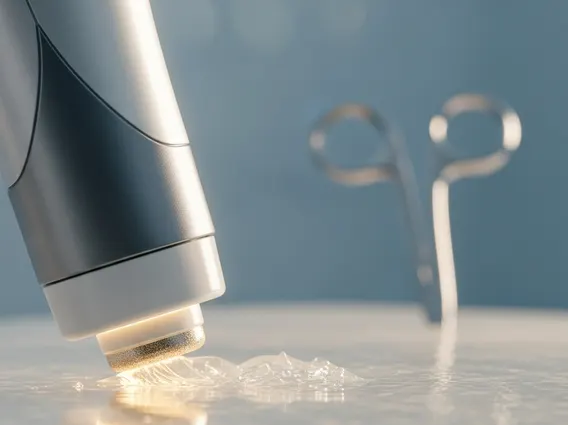
The **dermabrasion procedure** typically begins with the skin being thoroughly cleansed and often numbed with a local anesthetic, or in some cases, general anesthesia may be used depending on the treatment area and patient comfort. A specialized, high-speed rotating device equipped with an abrasive wheel or brush is then gently guided over the skin. This action precisely sands away the uppermost layers of skin, including the epidermis and parts of the dermis, where damaged cells reside. **How does dermabrasion work for skin** is by essentially creating a controlled wound, which triggers the body’s natural healing process, leading to the regeneration of new, healthier skin cells that result in a smoother, more refined complexion.
Dermabrasion Benefits, Side Effects, and Recovery
The **Dermabrasion benefits and side effects** are important considerations for anyone contemplating this procedure. Benefits often include a significant improvement in the appearance of acne scars, surgical scars, fine lines, wrinkles, sun-damaged skin, and age spots. It can also help to smooth out uneven skin texture and reduce the visibility of hyperpigmentation. However, like any medical procedure, dermabrasion carries potential side effects. These can include prolonged redness, swelling, temporary sensitivity to sunlight, and changes in skin pigmentation (either lightening or darkening). Less common but more serious side effects might involve infection, scarring, or allergic reactions to anesthesia. A thorough consultation with a healthcare professional is essential to assess individual suitability and discuss these risks.
Following the procedure, **Dermabrasion recovery and aftercare** are critical for achieving the best results and minimizing complications. Immediately after dermabrasion, the treated area will be red, swollen, and may ooze. A dressing is usually applied to protect the healing skin. Patients are typically advised to keep the area clean, apply prescribed ointments, and avoid picking at scabs or crusts that form. Sun protection is paramount during the recovery period and for several months afterward, as the new skin is highly susceptible to sun damage. The initial redness can persist for several weeks to months, gradually fading as the skin continues to heal and regenerate. Full recovery can take several months, with final results becoming apparent once the skin has completely settled.