
3t Mri
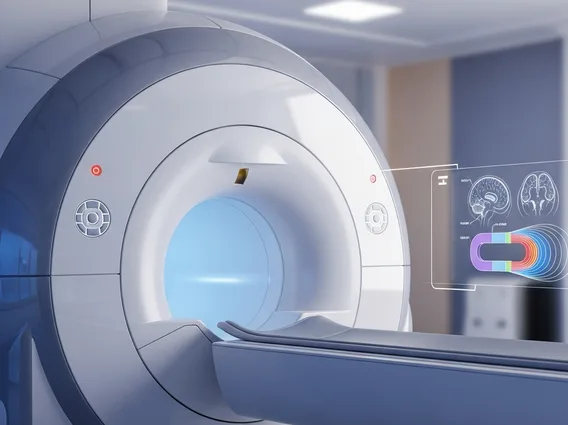
3T MRI, or 3 Tesla Magnetic Resonance Imaging, represents an advanced diagnostic imaging technique that utilizes a powerful magnetic field to produce highly detailed images of organs, soft tissues, bone, and virtually all other internal body structures. This technology offers significant advantages in clarity and diagnostic precision compared to lower-field MRI systems.
Key Takeaways
- 3T MRI uses a magnetic field twice as strong as standard 1.5T MRI, leading to superior image resolution.
- It provides enhanced detail for complex conditions, particularly in neurological, musculoskeletal, and vascular imaging.
- The stronger magnetic field allows for faster scan times and improved signal-to-noise ratio.
- Key differences from 1.5T MRI include higher image quality, quicker scans, and increased sensitivity to certain metallic implants.
What is 3T MRI (3 Tesla Magnetic Resonance Imaging)?
3T MRI, also known as 3 Tesla Magnetic Resonance Imaging, is a state-of-the-art medical imaging modality that employs a magnetic field strength of 3 Tesla. To put this in perspective, 1 Tesla is equivalent to 10,000 gauss, making a 3T MRI machine approximately 60,000 times stronger than the Earth’s magnetic field. This powerful magnetic field, combined with radiofrequency pulses, allows for the creation of exceptionally detailed cross-sectional images of the body without using ionizing radiation. The fundamental principle behind what is 3t mri technology involves manipulating the body’s hydrogen atoms, which are abundant in water molecules.
When a patient is placed inside the MRI scanner, the strong magnetic field aligns the protons within these hydrogen atoms. Short bursts of radiofrequency waves are then emitted, temporarily knocking these aligned protons out of alignment. When the radiofrequency pulses are turned off, the protons realign with the main magnetic field, releasing energy in the process. This released energy is detected by the MRI scanner, and a computer processes these signals to construct highly detailed images of the internal structures. The higher field strength of 3T MRI significantly enhances the signal-to-noise ratio, leading to clearer and more precise images.
How 3T MRI Technology Works and Its Benefits
The mechanism of how does 3t mri machine work relies on its powerful superconducting magnet and sophisticated radiofrequency coils. The 3 Tesla magnet creates an intense and uniform magnetic field around the patient. This field causes the hydrogen protons in the body’s water molecules to align in a specific direction. Radiofrequency coils then emit brief radio waves that temporarily disrupt this alignment. When these radio waves are turned off, the protons relax back into alignment, releasing energy signals that are unique to the type of tissue they are in. These signals are captured by receiver coils, sent to a computer, and translated into detailed images. The increased field strength of a 3T system means more protons are aligned, and they release stronger, more distinct signals, which translates directly into superior image quality.
The benefits of 3 tesla mri scan are numerous, primarily stemming from its enhanced magnetic field strength. These advantages include:
- Higher Resolution Images: 3T MRI provides significantly sharper and more detailed images, allowing radiologists to detect smaller lesions and subtle abnormalities that might be missed on lower-field strength MRI systems. This is particularly crucial for imaging the brain, spine, and joints.
- Faster Scan Times: Due to the stronger signal, 3T MRI can often acquire images more quickly than 1.5T systems. This reduces overall scan time, improving patient comfort and minimizing the risk of motion artifacts.
- Improved Diagnostic Accuracy: The superior image quality aids in more accurate diagnoses for a wide range of conditions, including neurological disorders, musculoskeletal injuries, and certain types of cancer.
- Enhanced Angiography: For vascular imaging (MRA), 3T MRI can provide clearer images of blood vessels without the need for contrast agents in some cases, or with reduced contrast doses.
3T MRI vs. 1.5T MRI: Key Differences
When comparing 3T MRI with 1.5T MRI, the primary distinction lies in the strength of the magnetic field, which profoundly impacts image quality and diagnostic capabilities. While both are powerful diagnostic tools, understanding the 3t mri vs 1.5t mri differences is crucial for determining the most appropriate imaging approach for specific clinical needs. The 3 Tesla system offers a magnetic field that is twice as strong as the 1.5 Tesla system, leading to several key advantages and considerations.
The higher field strength of 3T MRI results in a greater signal-to-noise ratio (SNR), which directly translates to clearer, more detailed images. This enhanced clarity is particularly beneficial for visualizing small structures, subtle lesions, and complex anatomical areas like the brain and joints. However, the stronger magnetic field can also lead to increased susceptibility artifacts, especially around metallic implants, and may not be suitable for all patients with certain types of medical devices.
| Feature | 3T MRI (3 Tesla) | 1.5T MRI (1.5 Tesla) |
|---|---|---|
| Magnetic Field Strength | Very Strong (3 Tesla) | Strong (1.5 Tesla) |
| Image Resolution | Higher, more detailed | Good, standard detail |
| Signal-to-Noise Ratio (SNR) | Higher (better signal) | Lower than 3T (good signal) |
| Scan Time | Often faster due to stronger signal | Standard scan times |
| Artifacts from Metal | Potentially more pronounced | Less pronounced than 3T |
| Clinical Applications | Neurology, musculoskeletal, vascular, oncology (for fine detail) | General purpose, wide range of applications |



















