
3 Dimensional Radiation Therapy
3 Dimensional Radiation Therapy is an advanced cancer treatment technique that precisely targets tumors while minimizing radiation exposure to healthy tissues. This approach utilizes sophisticated imaging and planning to deliver highly focused radiation doses.
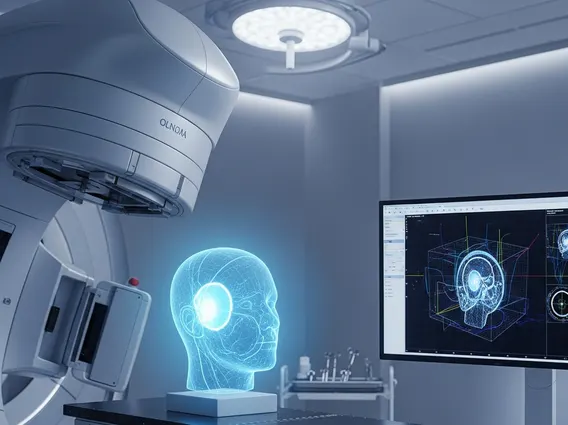
Key Takeaways
- 3 Dimensional Radiation Therapy (3D-CRT) uses advanced imaging to create a detailed 3D map of the tumor.
- Treatment planning involves shaping radiation beams to conform to the tumor’s exact shape, reducing damage to surrounding healthy tissue.
- This precision allows for higher, more effective radiation doses to the tumor.
- Benefits include fewer side effects, improved local tumor control, and enhanced quality of life for patients.
What is 3 Dimensional Radiation Therapy (3D-CRT)?
3 Dimensional Radiation Therapy (3D-CRT) is a type of external beam radiation therapy that uses computers and specialized imaging techniques to create a detailed three-dimensional image of the tumor and surrounding organs. This allows radiation oncologists to precisely map the tumor’s location, size, and shape within the patient’s body. The goal is to deliver a high dose of radiation to the cancerous cells while sparing as much healthy tissue as possible. This method represents a significant advancement over conventional 2D radiation therapy, which often treated larger areas, potentially affecting more healthy tissue.
The process involves a multidisciplinary team, including radiation oncologists, medical physicists, and dosimetrists, who work together to develop a personalized treatment plan. The detailed imaging, often using CT scans, MRI, or PET scans, provides the critical information needed to define the target volume with high accuracy. This precision is fundamental to the effectiveness and safety of the treatment.
How 3D Radiation Therapy Works
The process of 3 Dimensional Radiation Therapy begins with a simulation phase. During this stage, the patient undergoes imaging scans, typically a CT scan, in the treatment position. These images are then used to create a detailed 3D model of the tumor and adjacent healthy organs. Specialized computer software then allows the medical team to design radiation beams that conform precisely to the tumor’s shape. This is where 3D conformal radiation therapy explained comes into play, as the term “conformal” refers to the ability to shape the radiation beams to match the tumor’s three-dimensional contours.
Once the treatment plan is finalized, a linear accelerator delivers high-energy X-rays to the tumor. The machine is programmed to rotate around the patient, delivering radiation from multiple angles. Each beam is shaped to match a specific part of the tumor, and when combined, these beams create a high-dose region that precisely covers the tumor while rapidly decreasing the dose in surrounding healthy tissues. This meticulous approach ensures that the maximum radiation dose is concentrated on the cancerous cells, minimizing exposure to vital organs and structures nearby. The accuracy of this delivery system is continuously monitored to ensure the patient’s position and the tumor’s location remain consistent throughout each treatment session.
Benefits of 3D Radiation Therapy
The primary advantage of 3 Dimensional Radiation Therapy lies in its ability to deliver highly targeted radiation, leading to several significant benefits for patients. This precision allows for the delivery of higher, more effective doses of radiation to the tumor, increasing the likelihood of local tumor control and eradication. According to the American Cancer Society, precise targeting in radiation therapy is crucial for improving outcomes and reducing treatment-related toxicities.
Key benefits include:
- Reduced Side Effects: By minimizing radiation exposure to healthy tissues and organs surrounding the tumor, patients often experience fewer and less severe side effects compared to conventional radiation techniques. This can lead to a better quality of life during and after treatment.
- Improved Tumor Control: The ability to deliver a higher, more concentrated dose directly to the tumor increases the chances of destroying cancer cells and preventing recurrence in the treated area.
- Enhanced Quality of Life: Fewer side effects mean patients can often maintain their daily activities with less disruption, leading to a better overall treatment experience.
- Treatment of Complex Tumors: 3D-CRT is particularly beneficial for treating tumors located near critical organs or in complex anatomical areas, where precise targeting is paramount to avoid damage.
These advantages make 3 Dimensional Radiation Therapy a valuable tool in modern oncology, offering a more effective and tolerable treatment option for many cancer patients.



















