5 Fluorouracil
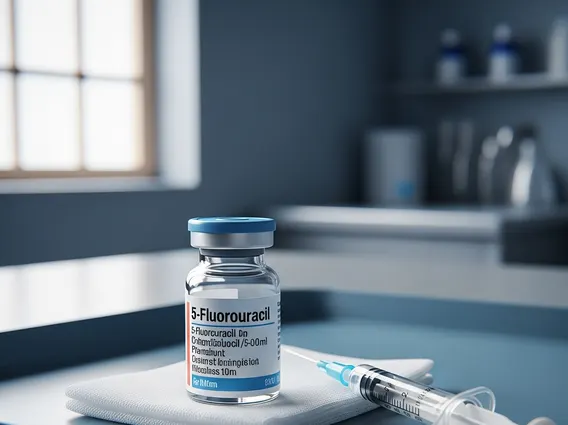
5 Fluorouracil is a widely used chemotherapy drug essential in the treatment of various cancers. This medication works by interfering with the growth of cancer cells, thereby slowing or stopping their proliferation.
Key Takeaways
- 5 Fluorouracil (5-FU) is an antimetabolite chemotherapy drug used to treat a range of solid tumors.
- It works by disrupting DNA and RNA synthesis, which is crucial for cancer cell growth and division.
- Commonly administered intravenously, often in combination with other agents or radiation therapy.
- Effective against cancers such as colorectal, breast, stomach, and pancreatic cancers.
- Patients may experience side effects including nausea, diarrhea, hair loss, and mouth sores, requiring careful management.
What is 5 Fluorouracil (5-FU)?
5 Fluorouracil (5-FU) is a pyrimidine analog antimetabolite, a type of chemotherapy drug that interferes with the metabolism of cancer cells. It is one of the oldest and most frequently prescribed cytotoxic agents, playing a critical role in oncology for decades. This drug is primarily administered intravenously, though topical formulations also exist for certain skin conditions.
As a cornerstone of many chemotherapy regimens, 5-FU is often used in combination with other anticancer drugs or radiation therapy to enhance its effectiveness and target cancer cells more comprehensively. Its broad spectrum of activity makes it a valuable tool in fighting various types of solid tumors, significantly impacting patient outcomes. According to the American Cancer Society, chemotherapy drugs like 5-FU are vital in treating millions of cancer patients annually, often leading to improved survival rates and quality of life.
How Does 5 Fluorouracil Work?
The mechanism of action for 5 Fluorouracil involves disrupting critical cellular processes necessary for cancer cell proliferation. Once administered, 5-FU is converted into several active metabolites inside the body. These metabolites interfere with the synthesis of DNA and RNA, which are the genetic materials essential for cell growth, division, and repair.
Specifically, one key metabolite, fluorodeoxyuridine monophosphate (FdUMP), inhibits thymidylate synthase, an enzyme crucial for DNA synthesis. Another metabolite, fluorouridine triphosphate (FUTP), is mistakenly incorporated into RNA, leading to faulty protein synthesis and cell dysfunction. By sabotaging these fundamental processes, 5-FU effectively prevents cancer cells from replicating and growing, ultimately leading to their death. This targeted interference with rapidly dividing cells is what makes it an effective chemotherapy agent.
5 Fluorouracil Uses and Side Effects
5 Fluorouracil cancer treatment is widely applied across a spectrum of malignancies. It is a primary agent in the treatment of colorectal cancer, often used in adjuvant settings after surgery to prevent recurrence, or in metastatic disease. Beyond colorectal cancer, its efficacy extends to breast cancer, stomach cancer, pancreatic cancer, and certain head and neck cancers. The specific regimen, dosage, and duration of treatment depend on the type and stage of cancer, as well as the patient’s overall health.
While effective, 5 fluorouracil uses and side effects must be carefully managed. Side effects arise because the drug also affects healthy, rapidly dividing cells in the body, such as those in the bone marrow, hair follicles, and gastrointestinal tract. Common side effects include:
- Nausea and vomiting
- Diarrhea
- Mouth sores (mucositis)
- Hair thinning or loss
- Fatigue
- Hand-foot syndrome (redness, swelling, pain on palms and soles)
- Low blood counts (anemia, neutropenia, thrombocytopenia), increasing risk of infection and bleeding
Less common but more severe side effects can include heart problems, neurological issues, and severe allergic reactions. Patients undergoing 5-FU treatment are closely monitored by their healthcare team to manage these side effects effectively and ensure the best possible outcome while maintaining quality of life.