Sterile Talc Powder
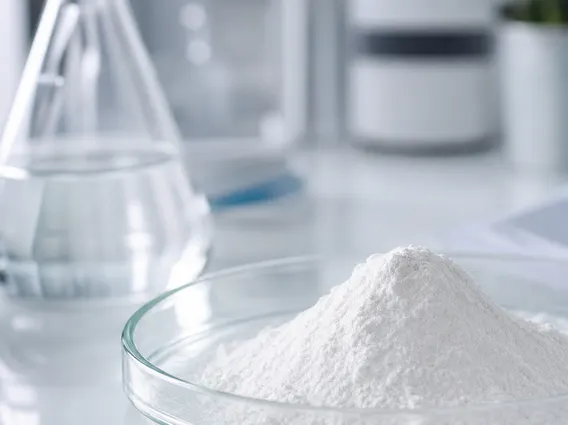
Sterile Talc Powder refers to a highly purified and sterilized form of talc, a naturally occurring mineral, specifically prepared for medical and pharmaceutical applications. Its unique physical properties make it invaluable in various clinical settings, particularly where adhesion or lubrication is required.
Key Takeaways
- Sterile Talc Powder is a medical-grade, asbestos-free form of magnesium silicate.
- It is primarily utilized in pleurodesis to prevent recurrent fluid or air accumulation in the pleural space.
- The production process involves rigorous purification and sterilization to ensure safety and efficacy.
- Its benefits include high success rates in pleurodesis and cost-effectiveness.
- Strict safety protocols and quality control are essential to prevent complications.
What is Sterile Talc Powder?
Sterile Talc Powder is a pharmaceutical-grade preparation of hydrated magnesium silicate (Mg₃Si₄O₁₀(OH)₂), meticulously processed to remove impurities, especially asbestos fibers, and then sterilized. This purification is critical because raw talc can contain asbestos, a known carcinogen. Medical-grade talc is characterized by its inertness, insolubility in water and dilute acids, and its fine, soft, and slippery texture. These properties make it suitable for internal medical use, where it can induce a controlled inflammatory response or act as a lubricant without causing adverse chemical reactions.
Unlike cosmetic or industrial talc, the sterile variant undergoes stringent quality control measures to ensure it meets specific particle size distributions and is free from microbial contamination. This ensures its safety and effectiveness when introduced into the human body, particularly in sensitive areas such as the pleural cavity.
Medical Applications and Benefits
Sterile Talc Powder is primarily used in medical procedures for its ability to induce pleurodesis, a process that creates adhesion between the two layers of the pleura (the membranes surrounding the lungs). This procedure is performed to prevent the recurrence of fluid accumulation (pleural effusions) or air (pneumothorax) in the pleural space. When introduced into the pleural cavity, the talc particles cause a localized inflammatory reaction, leading to fibrosis and the permanent fusion of the parietal and visceral pleura.
The benefits of sterile talc powder in medicine are significant, particularly in oncology and pulmonology. It offers a highly effective and relatively cost-efficient solution for managing recurrent malignant pleural effusions, which can severely impact a patient’s quality of life. Studies, such as those cited by the American Thoracic Society, indicate that talc pleurodesis achieves success rates of 70-90% in preventing fluid recurrence, making it a cornerstone treatment. Beyond pleurodesis, other sterile talc powder applications and safety considerations have historically included its use as a lubricant for surgical gloves, though this practice has largely diminished due to concerns about granuloma formation.
Key medical conditions where sterile talc powder is applied include:
- Malignant Pleural Effusion: Fluid buildup due to cancer, often causing breathlessness.
- Recurrent Spontaneous Pneumothorax: Repeated collapse of the lung due to air leakage.
- Chylothorax: Accumulation of lymphatic fluid in the pleural space.
Production Process and Safety Considerations
The process of how is sterile talc powder produced involves several critical stages to ensure its medical suitability. It begins with the careful selection of talc ore, which is then mined and subjected to extensive milling and grinding to achieve a fine powder. The most crucial step is the purification process, which removes impurities like asbestos and other heavy metals. This often involves flotation, magnetic separation, and acid washing techniques. Following purification, the talc is micronized to achieve the desired particle size, which is vital for its efficacy and safety in medical applications.
Sterilization is the final, indispensable step, typically achieved through methods such as dry heat, ethylene oxide gas, or gamma irradiation, ensuring the powder is free from all viable microorganisms. Strict adherence to Good Manufacturing Practices (GMP) and regulatory standards, such as those set by the U.S. Food and Drug Administration (FDA), is paramount throughout this process. Safety considerations include ensuring the talc is asbestos-free, as confirmed by rigorous testing. While generally safe and effective when properly administered, potential complications can arise, such as fever, pain, and, rarely, acute respiratory distress syndrome (ARDS), particularly if inappropriate particle sizes are used or if there is systemic absorption. Therefore, careful patient selection and precise administration techniques are crucial for maximizing benefits and minimizing risks.