
Stage Iii Endometrial Stromal Sarcoma
Stage III Endometrial Stromal Sarcoma is a rare and aggressive form of uterine cancer that originates from the connective tissue cells of the endometrium. This stage indicates that the cancer has spread beyond the uterus but remains confined to the pelvic region or regional lymph nodes.
Key Takeaways
- Stage III Endometrial Stromal Sarcoma is a rare uterine cancer where the tumor has extended beyond the uterus but is still within the pelvis or regional lymph nodes.
- Common symptoms include abnormal vaginal bleeding, pelvic pain, and pressure, which warrant prompt medical evaluation.
- Treatment typically involves comprehensive surgical removal, often followed by adjuvant therapies such as hormone therapy, radiation, or chemotherapy.
- The prognosis for Stage III disease varies, influenced by factors like tumor grade, spread, and the patient’s overall health, with treatment aiming for disease control and improved quality of life.
What is Stage III Endometrial Stromal Sarcoma?
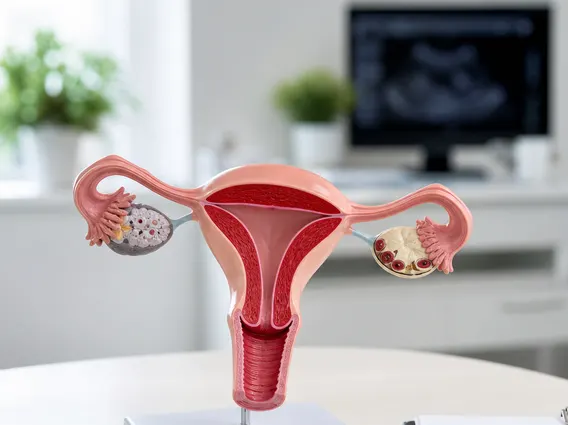
Stage III Endometrial Stromal Sarcoma refers to a specific classification of uterine cancer that develops from the stromal cells of the endometrium, the inner lining of the uterus. Unlike the more common endometrial carcinomas, sarcomas are less frequent and tend to behave more aggressively. In Stage III, the cancer has grown beyond the confines of the uterus, typically involving nearby structures within the pelvis, such as the ovaries, fallopian tubes, or regional lymph nodes, but has not spread to distant organs. This staging is critical for determining the most appropriate treatment strategy and understanding the disease’s potential progression.
This rare malignancy accounts for a small percentage of all uterine cancers, making its diagnosis and management particularly challenging. The precise staging helps oncologists assess the extent of the disease and tailor a treatment plan to target the localized spread effectively. Understanding the cellular origin and the stage of spread is fundamental to addressing this complex condition.
Symptoms and Treatment for Stage III Endometrial Stromal Sarcoma
Recognizing Stage III Endometrial Stromal Sarcoma symptoms is crucial for early diagnosis, though they can often be non-specific. The most common symptom is abnormal vaginal bleeding, particularly postmenopausal bleeding or irregular bleeding in premenopausal individuals. Other signs may include pelvic pain or pressure, a feeling of fullness in the abdomen, or changes in bowel or bladder habits if the tumor is pressing on adjacent organs. In some cases, a palpable mass may be detected during a physical examination.
The primary approach for Stage III Endometrial Stromal Sarcoma treatment typically involves surgery, often followed by adjuvant therapies. The surgical procedure usually includes a total hysterectomy (removal of the uterus), bilateral salpingo-oophorectomy (removal of both ovaries and fallopian tubes), and potentially lymph node dissection to assess for spread. Following surgery, additional treatments may be recommended:
- Hormone Therapy: Many endometrial stromal sarcomas are hormone receptor-positive, making hormone therapy (e.g., progestins, aromatase inhibitors) a common and effective treatment to prevent recurrence.
- Radiation Therapy: Pelvic radiation therapy may be used to target any remaining cancer cells in the pelvic area and reduce the risk of local recurrence.
- Chemotherapy: While less commonly the primary treatment for endometrial stromal sarcoma compared to other uterine cancers, chemotherapy may be considered in certain situations, especially if the cancer is aggressive or has specific characteristics.
The choice of adjuvant therapy depends on various factors, including the tumor’s grade, the extent of spread, and the patient’s overall health. A multidisciplinary team of specialists collaborates to develop an individualized treatment plan.
Prognosis for Stage III Endometrial Stromal Sarcoma
The prognosis for Stage III Endometrial Stromal Sarcoma is highly variable and depends on several factors, including the tumor’s grade (how aggressive the cancer cells appear under a microscope), the exact extent of spread within the pelvis, the presence of lymph node involvement, and the patient’s overall health and response to treatment. While Stage III indicates localized spread, it is a more advanced stage than Stage I or II, which can impact long-term outcomes.
Survival rates for Stage III endometrial stromal sarcoma are generally lower than for earlier stages, but significant advancements in treatment have improved outcomes over time. For instance, according to data from the National Cancer Institute’s SEER program, the 5-year relative survival rate for localized uterine sarcoma (which includes Stage III) can vary, but it’s important to remember these are statistical averages and individual experiences can differ greatly. Consistent follow-up care, including regular imaging and physical examinations, is essential for monitoring recurrence and managing any long-term effects of treatment. Patients are encouraged to discuss their specific prognosis and treatment expectations thoroughly with their oncology team.



















