Rectal
The rectum is a vital component of the lower gastrointestinal tract, playing a crucial role in the digestive process and waste elimination. Understanding its structure and function is essential for maintaining overall digestive health.
Key Takeaways
- The rectum is the final section of the large intestine, connecting the colon to the anal canal.
- Its primary function is to store stool temporarily before defecation and signal the need for elimination.
- Common conditions include hemorrhoids, fissures, proctitis, and more serious issues like colorectal cancer.
- Maintaining rectal health involves a fiber-rich diet, adequate hydration, regular exercise, and prompt medical attention for symptoms.
- Regular screenings, such as colonoscopies, are vital for early detection and prevention of serious conditions.
What is Rectal: Anatomy and Function
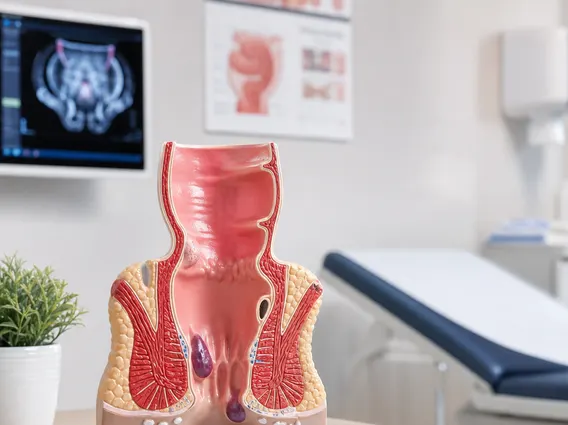
The term Rectal refers to the rectum, the final section of the large intestine, approximately 12 to 15 centimeters in length. This muscular tube temporarily stores fecal matter before expulsion, with highly distensible walls that expand as it fills. The rectum’s structure comprises several layers, including mucosal, submucosal, muscular, and serosal layers. These layers, particularly the muscular ones, coordinate to facilitate its function and contract during defecation.
What is the Rectum’s Purpose
The rectum’s primary purpose is to temporarily store feces. As stool enters, rectal walls stretch, triggering nerve signals that inform the brain of the need for defecation, allowing conscious control over bowel movements. Defecation involves coordinated relaxation of anal sphincters and contraction of rectal muscles. Beyond storage, the rectum plays a minor role in water and electrolyte absorption. Its muscular structure and nerve supply are crucial for efficient waste elimination and continence, contributing to digestive health.
Common Rectal Conditions Explained
A variety of conditions can affect the rectum, from minor irritations to serious diseases. Understanding these is key to timely medical attention. Here are some common rectal conditions explained:
- Hemorrhoids: Swollen veins in the rectum or anus, which can be internal or external. They often cause pain, itching, and bleeding, especially during bowel movements.
- Anal Fissures: Small tears in the lining of the anal canal, typically caused by passing hard stools. They can lead to sharp pain and bleeding.
- Proctitis: Inflammation of the lining of the rectum. It can be caused by infections, inflammatory bowel disease (IBD) like ulcerative colitis or Crohn’s disease, radiation therapy, or certain medications. Symptoms include rectal pain, tenesmus (a feeling of incomplete defecation), and bleeding.
- Rectal Prolapse: A condition where the rectum turns inside out and protrudes through the anus. This can be partial or full and often results from weakened pelvic floor muscles.
- Colorectal Cancer: Cancer that begins in the colon or the rectum. It is one of the most common types of cancer, often starting as benign polyps that can become malignant over time. Early detection through screening is crucial for successful treatment. According to the American Cancer Society, colorectal cancer is the third most common cancer diagnosed in both men and women in the United States, excluding skin cancers. (Source: American Cancer Society)
Other conditions include infections, polyps, and diverticular disease. Persistent symptoms like bleeding, pain, changes in bowel habits, or unexplained weight loss warrant immediate medical evaluation.
Maintaining Rectal Health
Proactive measures are essential for preserving optimal rectal health information and preventing common conditions. A healthy lifestyle significantly supports lower digestive tract function.
- Dietary Fiber: Consuming a diet rich in fiber (fruits, vegetables, whole grains) helps soften stool and promote regular bowel movements, reducing strain during defecation.
- Hydration: Drinking plenty of water throughout the day is crucial for keeping stools soft and preventing constipation.
- Regular Exercise: Physical activity helps stimulate bowel function and can prevent constipation.
- Prompt Defecation: Responding to the urge to have a bowel movement without delay can prevent stool from becoming hard and difficult to pass.
- Good Hygiene: Gentle cleaning of the anal area after bowel movements can prevent irritation and infection.
- Regular Screenings: For individuals over 45 or with risk factors, regular colorectal cancer screenings (e.g., colonoscopies) are vital for early detection, identifying precancerous polyps before they develop into cancer.
If you experience persistent symptoms like rectal bleeding, pain, changes in bowel habits, or unexplained weight loss, consult a healthcare professional. Early diagnosis and treatment are critical for effective management and long-term health.