Recombinant Tissue Plasminogen Activator
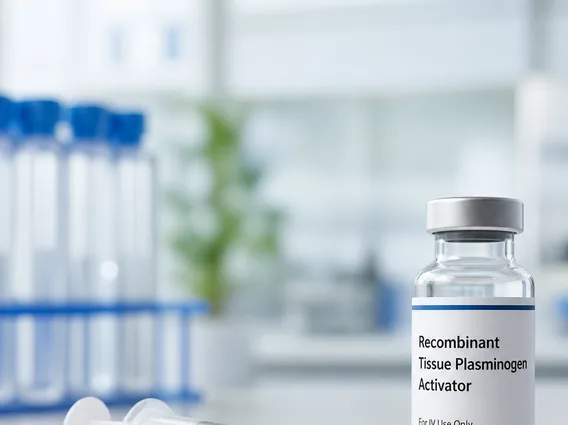
Recombinant Tissue Plasminogen Activator (rtPA) is a crucial medication used in emergency medicine to dissolve dangerous blood clots. This article explores its function, primary applications, and how it works within the body.
Key Takeaways
- Recombinant Tissue Plasminogen Activator (rtPA) is a genetically engineered thrombolytic drug that mimics the body’s natural clot-dissolving protein.
- It is primarily used to treat acute ischemic stroke, pulmonary embolism, and certain types of myocardial infarction by breaking down blood clots.
- The medication works by converting plasminogen into plasmin, an enzyme that degrades the fibrin meshwork of a clot.
- Timely administration of rtPA is critical for its effectiveness, especially in acute ischemic stroke, where it must be given within a narrow therapeutic window.
- The most significant risk associated with rtPA is bleeding, particularly intracranial hemorrhage.
What is Recombinant Tissue Plasminogen Activator (rtPA)?
Recombinant Tissue Plasminogen Activator (rtPA) refers to a potent thrombolytic (clot-dissolving) medication. It is a genetically engineered version of tissue plasminogen activator (tPA), a protein naturally produced by the body that plays a key role in the breakdown of blood clots. This medication is designed to initiate fibrinolysis, the process by which fibrin, the main protein component of blood clots, is degraded.
The development of rtPA revolutionized the treatment of various thrombotic conditions by providing a targeted approach to dissolve clots that obstruct blood flow. Understanding Recombinant tissue plasminogen activator info is vital for medical professionals and patients alike, as its precise application can significantly impact patient outcomes in life-threatening situations.
What is Recombinant tPA Used For?
Recombinant tPA is primarily used in acute medical emergencies where rapid dissolution of blood clots is necessary to restore blood flow and prevent tissue damage. The main conditions for which Recombinant tPA is used for include:
- Acute Ischemic Stroke: This is the most common type of stroke, caused by a blood clot blocking an artery to the brain. rtPA can significantly improve outcomes if administered within a narrow time window, typically 3 to 4.5 hours from symptom onset. According to the Centers for Disease Control and Prevention (CDC), stroke is a leading cause of serious long-term disability, and timely treatment with rtPA can reduce its severity.
- Acute Myocardial Infarction (Heart Attack): In cases where a heart attack is caused by a blood clot blocking a coronary artery, and percutaneous coronary intervention (PCI) is not immediately available, rtPA can be used to restore blood flow to the heart muscle.
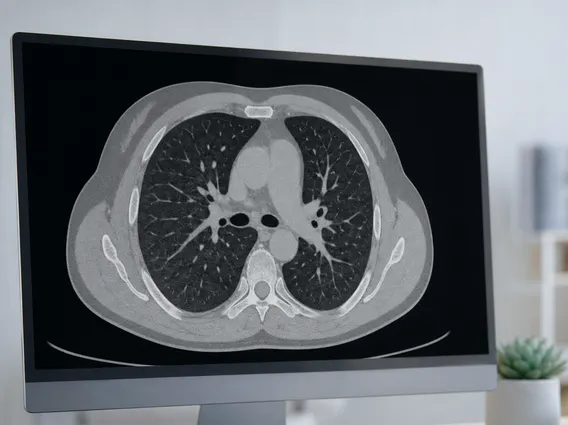
- Pulmonary Embolism (PE): This life-threatening condition occurs when a blood clot travels to the lungs, blocking blood flow. For massive pulmonary embolisms that cause hemodynamic instability, rtPA can be a life-saving intervention.
The effectiveness of rtPA is highly dependent on early administration, as the window for safe and effective treatment is limited. Patient selection criteria are strict to maximize benefits and minimize risks.
Mechanism of Action and Side Effects of Recombinant tPA
The Recombinant tPA mechanism of action involves its specific binding to fibrin within a blood clot. Once bound, rtPA converts plasminogen, an inactive enzyme precursor present in the blood, into plasmin. Plasmin is a powerful enzyme that directly degrades the fibrin meshwork that holds the clot together, thereby dissolving the clot and restoring blood flow. This targeted action helps to minimize systemic bleeding compared to older thrombolytic agents, though it still carries significant risks.
While highly effective, Recombinant tPA side effects and uses must be carefully considered. The primary and most serious side effect of rtPA is bleeding, particularly intracranial hemorrhage (bleeding in the brain). This risk necessitates careful patient selection and monitoring. Other potential side effects include:
- Minor bleeding (e.g., at injection sites, nosebleeds, gum bleeding)
- Allergic reactions (rare)
- Hypotension (low blood pressure)
- Nausea and vomiting
Due to these risks, rtPA is administered only in hospital settings under strict medical supervision, with continuous monitoring of the patient’s vital signs and neurological status. The decision to use rtPA involves a careful balance of its potential benefits in dissolving life-threatening clots against the risk of severe bleeding complications.