
Radiation Brachytherapy
Radiation Brachytherapy is a highly targeted form of radiation therapy used primarily in cancer treatment, delivering a high dose of radiation directly to the tumor while minimizing exposure to surrounding healthy tissues. This precise approach aims to maximize cancer cell destruction and improve patient outcomes.
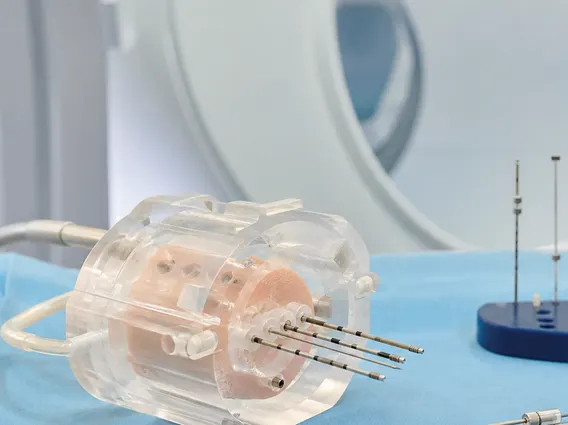
Key Takeaways
- Radiation Brachytherapy is an internal radiation therapy that places radioactive sources directly within or next to a tumor.
- It allows for a high dose of radiation to be delivered to the cancer cells with minimal impact on nearby healthy tissues.
- The treatment is categorized into types like Low-Dose Rate (LDR) and High-Dose Rate (HDR), and can involve permanent or temporary implants.
- Common side effects are typically localized to the treated area and often temporary, managed with supportive care.
- Brachytherapy is effective for various cancers, including prostate, cervical, breast, and skin cancers.
What is Radiation Brachytherapy?
Radiation Brachytherapy is a specialized form of internal radiation therapy where a sealed radioactive source is placed directly inside or next to the area requiring treatment. This technique allows for a very high dose of radiation to be delivered to a small, specific area, such as a tumor, while significantly reducing the radiation exposure to surrounding healthy tissues and organs. It is a cornerstone in the treatment of various cancers, often used alone or in combination with external beam radiation therapy, surgery, or chemotherapy.
The primary advantage of brachytherapy lies in its precision, enabling oncologists to target cancer cells intensely. By placing the radiation source in close proximity to the tumor, the radiation dose falls off rapidly with distance, thereby sparing adjacent critical structures. This localized delivery can lead to higher cure rates for certain cancers and fewer long-term side effects compared to other radiation methods.
How Brachytherapy Works and Its Types
How does brachytherapy work? Brachytherapy involves the precise placement of radioactive isotopes, often in the form of seeds, wires, or catheters, into the tumor or tumor bed. The radiation emitted by these sources damages the DNA of cancer cells, preventing them from growing and dividing, ultimately leading to their destruction. The specific method of placement and the type of radioactive material used depend on the cancer’s location, size, and type, as well as the patient’s overall health.
There are several types of brachytherapy for cancer, primarily distinguished by the dose rate and whether the radioactive sources are permanent or temporary. These variations allow for tailored treatment plans to suit individual patient needs and cancer characteristics. The choice of brachytherapy type is a critical decision made by a multidisciplinary team of oncologists, radiation physicists, and dosimetrists.
- Low-Dose Rate (LDR) Brachytherapy: Involves placing radioactive sources that emit radiation continuously over a period of days. Patients may remain hospitalized during this time, or if permanent seeds are used, they are implanted and remain in the body, decaying over several months.
- High-Dose Rate (HDR) Brachytherapy: Delivers a very high dose of radiation over a short period, typically a few minutes, during several treatment sessions. The radioactive source is temporarily placed in the body using applicators and then removed after each session.
- Pulsed-Dose Rate (PDR) Brachytherapy: A hybrid approach that delivers radiation in pulses, mimicking LDR treatment but allowing for daily removal of the source.
For example, prostate cancer often uses permanent LDR seeds, while cervical cancer commonly employs temporary HDR techniques. The exact technique is chosen to optimize treatment efficacy and minimize potential harm to healthy tissues.
Brachytherapy Treatment Side Effects
Like all cancer treatments, brachytherapy treatment side effects can occur, though they are generally localized to the treated area and often temporary. The nature and severity of side effects depend heavily on the location of the cancer, the dose of radiation delivered, and the individual patient’s health and sensitivity. Because brachytherapy targets radiation so precisely, systemic side effects often seen with chemotherapy or external beam radiation (like widespread fatigue or nausea) are typically less common or less severe.
Common side effects vary by treatment site:
- Pelvic Area (e.g., prostate, cervical cancer): Patients may experience urinary symptoms such as frequent urination, urgency, or burning, as well as bowel changes like diarrhea or rectal discomfort. Vaginal irritation or dryness can occur in women treated for gynecological cancers.
- Breast Cancer: Localized skin irritation, redness, or tenderness in the treated breast area.
- Head and Neck Cancers: Soreness in the mouth or throat, difficulty swallowing, or changes in taste.
Most acute side effects resolve within weeks or months after treatment completion. Long-term side effects are less common but can include tissue fibrosis, chronic pain, or organ dysfunction, depending on the treated area. Patients are closely monitored by their healthcare team, and supportive care, including medications and lifestyle adjustments, is provided to manage any discomfort or complications effectively. It is crucial for patients to communicate any new or worsening symptoms to their medical team to ensure timely and appropriate management.



















