
Radiation Cystitis
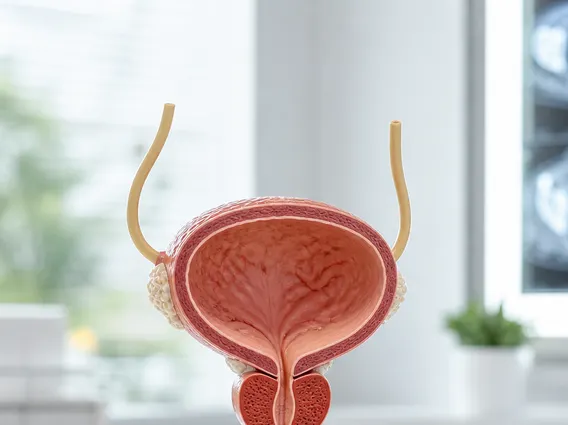
Radiation cystitis is a chronic and often debilitating condition affecting the bladder, primarily occurring as a side effect of radiation therapy to the pelvic region. It results from damage to the bladder lining and blood vessels, leading to inflammation and various urinary symptoms.
Key Takeaways
- Radiation Cystitis is a chronic bladder inflammation caused by radiation therapy to the pelvis.
- Symptoms can range from mild urinary frequency and urgency to severe pain and hematuria (blood in urine).
- The condition can manifest months or even years after radiation treatment concludes.
- Treatment options vary, focusing on symptom management and, in severe cases, more invasive interventions.
- Early diagnosis and management are crucial for improving quality of life for affected individuals.
What is Radiation Cystitis?
Radiation cystitis refers to the inflammation and damage of the bladder that can occur after radiation therapy to the pelvic area, typically for cancers such as prostate, cervical, or rectal cancer. This condition can develop acutely during or shortly after treatment, or it can manifest as a chronic issue months to years later. The severity varies widely among individuals, depending on factors like the radiation dose, treatment duration, and individual patient sensitivity. It is a significant concern because it can severely impact a patient’s quality of life due to persistent and uncomfortable urinary symptoms.
Causes and Symptoms of Radiation Cystitis
The primary causes of radiation cystitis stem from the collateral damage to healthy bladder tissues during radiation therapy aimed at cancerous cells in the pelvic region. Radiation energy can harm the delicate lining (urothelium) and the underlying blood vessels of the bladder. This damage leads to inflammation, reduced blood flow (ischemia), and fibrosis (scarring) within the bladder wall. Over time, these changes can impair bladder function, leading to chronic irritation and a range of symptoms. The delayed onset of symptoms is often due to the progressive nature of tissue damage and scarring.
The radiation cystitis symptoms can be diverse and significantly impact daily life. They often mimic those of a urinary tract infection but do not respond to antibiotics. Common symptoms include:
- Increased urinary frequency and urgency
- Pain or burning sensation during urination (dysuria)
- Blood in the urine (hematuria), which can range from microscopic to visible clots
- Bladder spasms and pelvic pain
- Nocturia (waking up at night to urinate)
- Difficulty emptying the bladder completely
- In severe cases, persistent bleeding can lead to anemia, and extensive scarring may reduce bladder capacity.
Radiation Cystitis Treatment Options
Managing radiation cystitis treatment options typically involves a multi-faceted approach aimed at alleviating symptoms and, in some cases, repairing bladder damage. The specific treatment depends on the severity of symptoms and the individual’s overall health. Mild cases may be managed with conservative measures, while more severe or persistent symptoms require advanced interventions. It is important for patients to work closely with their healthcare providers to develop an individualized treatment plan.
Initial treatments often focus on symptom relief and may include oral medications to reduce bladder spasms and pain, such as anticholinergics or analgesics. Lifestyle modifications, like avoiding bladder irritants (e.g., caffeine, alcohol, spicy foods), can also be beneficial. For more persistent symptoms, intravesical instillations, where medications are delivered directly into the bladder via a catheter, may be used. These can include hyaluronic acid, chondroitin sulfate, or corticosteroids, which aim to restore the bladder lining and reduce inflammation.
In cases of severe hematuria that do not respond to conservative measures, more invasive procedures might be considered. These can include cystoscopic coagulation to cauterize bleeding vessels, hyperbaric oxygen therapy (HBOT) to promote tissue healing and new blood vessel formation, or in very rare and extreme circumstances, surgical interventions such as urinary diversion or cystectomy (bladder removal).



















