Dot
The term Dot, in a clinical context, refers to a specific microscopic cellular inclusion or a distinct, minute lesion observed during diagnostic procedures. Its presence often serves as a critical indicator in various medical fields, signaling underlying cellular changes or pathological processes.

Key Takeaways
- Dot is a medical term for a specific microscopic cellular inclusion or small lesion, crucial for diagnosis.
- Clinical interpretations of the Dot sign vary based on its morphology, location, and associated findings.
- Different medical specialties utilize the term Dot to describe distinct pathological observations.
- Advanced imaging and computational tools significantly aid in the detection and characterization of Dots.
- Understanding the context of a Dot is vital for accurate diagnosis and patient management.
What is Dot?
In medical terminology, Dot is a precise descriptor for a minute, often spherical or punctate, finding identified through various diagnostic methods such as microscopy, advanced imaging, or histopathology. These structures are typically sub-millimeter in size and can represent a range of biological phenomena, from cellular stress responses and viral inclusions to early stages of neoplastic transformation or specific protein aggregates. The significance of a Dot lies in its potential to act as a biomarker, guiding clinicians toward a specific diagnosis or prognosis. For instance, in hematology, certain Dots within blood cells can indicate specific anemias or infections, while in oncology, their presence in tissue biopsies might suggest particular tumor types or grades.
The identification of a Dot necessitates careful examination and contextual interpretation, as its appearance, number, and location are critical to its diagnostic value. For example, the presence of a “Dot” in a specific cellular compartment might point to a lysosomal storage disorder, whereas a cluster of Dots on a radiographic image could indicate microcalcifications associated with early-stage breast cancer. The precise definition and clinical relevance of a Dot are highly dependent on the medical specialty and the specific diagnostic criteria being applied, underscoring the importance of specialized knowledge in its interpretation.
Different Uses of the Dot Symbol
The meaning of dot symbol in a clinical setting is not a universal constant but rather a context-dependent interpretation of a distinct visual marker. Clinicians and pathologists often refer to “Dot” as a sign or a specific finding that, when observed, triggers a particular diagnostic pathway. For instance, in ophthalmology, a “Dot” might refer to a microaneurysm on the retina, a critical sign in diabetic retinopathy. In dermatology, a “Dot” could be a pinpoint hemorrhage or a specific type of lesion. The interpretation relies heavily on the morphology, color, size, and surrounding tissue characteristics of the observed Dot.
The different uses of the word Dot extend across various medical disciplines, each attributing specific clinical significance to this minute finding. These interpretations are often standardized within each field to ensure consistent diagnostic practices. Here are some examples of how the “Dot” sign is interpreted:
- Hematology: Refers to specific inclusions within red or white blood cells, such as Howell-Jolly bodies or Döhle bodies, indicative of certain anemias or infections.
- Radiology: Describes small, distinct opacities or lucencies on imaging scans, which can represent microcalcifications, small nodules, or vascular anomalies.
- Pathology: Denotes microscopic cellular structures or aggregates, like viral inclusion bodies or specific protein deposits, crucial for identifying disease etiology.
- Ophthalmology: Identifies microaneurysms or small hemorrhages in the retina, often associated with systemic diseases like diabetes or hypertension.
Each instance requires a thorough understanding of the patient’s clinical history and other diagnostic findings to accurately assess the implications of the Dot. This multidisciplinary application highlights its versatility as a diagnostic indicator.
The Dot in Technology and Computing
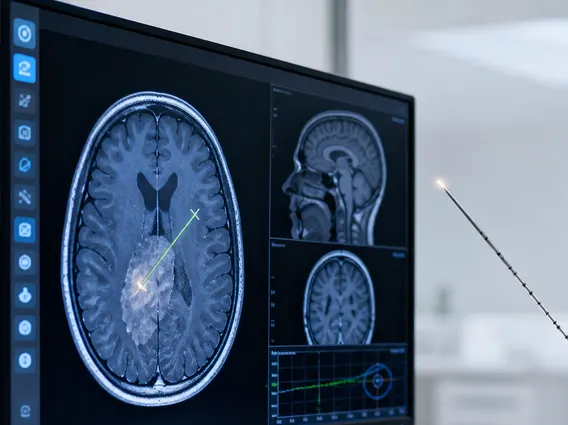
Modern medical technology and computing play an indispensable role in the detection, analysis, and characterization of the medical Dot. Advanced imaging modalities, such as high-resolution MRI, CT scans, and digital microscopy, are capable of identifying these minute structures with unprecedented clarity. For example, specialized algorithms in radiology can automatically detect and quantify microcalcifications (Dots) in mammograms, significantly improving the early detection rates of breast cancer. Similarly, digital pathology systems utilize image analysis software to identify and classify cellular inclusions (Dots) in tissue samples, aiding pathologists in complex diagnoses.
Computational tools further enhance the understanding of Dots by enabling quantitative analysis of their features, such as size, shape, intensity, and spatial distribution. Machine learning and artificial intelligence (AI) algorithms are increasingly being trained on vast datasets of medical images and pathological slides to recognize subtle patterns associated with Dots that might be imperceptible to the human eye. These technologies assist in differentiating benign Dots from those indicative of serious pathology, thereby improving diagnostic accuracy and efficiency. The integration of these technological advancements ensures a more precise and objective assessment of the clinical significance of a Dot, contributing to better patient outcomes.
Note: The information provided in this article is for supportive purposes only and does not replace professional medical advice, diagnosis, or treatment. Always consult with a qualified healthcare provider for any health concerns or before making any decisions related to your health or treatment.