Lavender
Lavender refers to a genus of flowering plants in the mint family, Lamiaceae, highly valued for its aromatic properties and diverse applications. Historically and presently, various forms of Lavender are utilized in clinical and wellness settings for their potential therapeutic effects.
Key Takeaways
- Lavender is a versatile plant known for its aromatic and therapeutic properties, widely used in complementary health practices.
- Its primary therapeutic uses include promoting relaxation, aiding sleep, and alleviating mild anxiety, often through aromatherapy.
- Several types of Lavender exist, with English Lavender (Lavandula angustifolia) being the most common for essential oil production.
- Growing Lavender requires well-drained soil, ample sunlight, and proper pruning to thrive.
- While beneficial, Lavender-based therapies are supportive and should not replace conventional medical treatment.
What is Lavender? Understanding the Plant
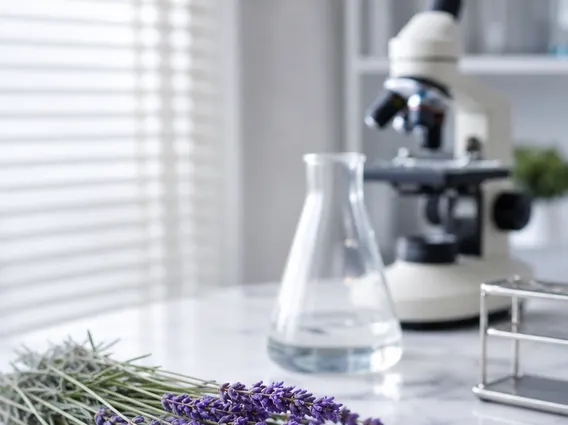
Lavender is a genus of 47 known species of flowering plants in the mint family, Lamiaceae, native to the Old World and found from Cape Verde and the Canary Islands, across Europe, Africa, the Mediterranean, Southwest Asia, to India. The plant is characterized by its distinctive purple flowers and highly fragrant leaves, which contain essential oils. These oils are rich in compounds like linalool and linalyl acetate, contributing to Lavender’s characteristic aroma and its recognized therapeutic properties. In clinical contexts, Lavender is primarily studied and utilized for its essential oil, which is extracted from the flowers and leaves.
The botanical significance of Lavender extends beyond its beauty and fragrance. Its robust nature allows it to thrive in various climates, particularly in dry, sunny conditions. The plant’s historical use dates back thousands of years, with ancient civilizations employing it for perfumery, bathing, and medicinal purposes. Today, it remains a popular herb in traditional and complementary medicine, often integrated into hospital environments for patient comfort and stress reduction.
Therapeutic Uses and Benefits of Lavender
The therapeutic uses of Lavender are extensive, primarily revolving around its calming and soothing effects. Lavender essential oil is widely used in aromatherapy, where its scent is inhaled to promote relaxation and reduce stress. Research suggests that the aromatic compounds in Lavender can interact with neurotransmitters in the brain, leading to anxiolytic (anxiety-reducing) and sedative effects. For instance, a 2018 review published in the journal Complementary Therapies in Clinical Practice highlighted Lavender’s efficacy in reducing anxiety and improving sleep quality in various populations, including those undergoing medical procedures.
The benefits of lavender extend to several areas of well-being. It is commonly employed to alleviate insomnia and improve sleep patterns, with studies indicating that inhaling Lavender oil before bed can enhance sleep quality. Beyond its calming properties, Lavender also exhibits mild analgesic (pain-relieving) and anti-inflammatory effects, making it useful for topical applications to soothe minor skin irritations or muscle aches. Some individuals use Lavender for its potential to relieve headaches and migraines, often by applying diluted oil to the temples. While these uses are popular, it is important to note that the U.S. National Center for Complementary and Integrative Health (NCCIH) advises caution and consultation with a healthcare provider before using essential oils, especially for medicinal purposes.
Common applications include:
- Aromatherapy for stress and anxiety reduction
- Topical application (diluted) for minor cuts, burns, and insect bites
- As a sleep aid, often diffused or sprayed on bedding
- In massage oils for muscle relaxation and pain relief
Varieties of Lavender and Cultivation Basics
There are numerous types of lavender plants, each with distinct characteristics regarding appearance, fragrance, and ideal growing conditions. The most commonly cultivated types include English Lavender (Lavandula angustifolia), known for its sweet fragrance and high-quality essential oil; French Lavender (Lavandula stoechas), recognized by its distinctive “bunny ear” bracts and camphoraceous scent; and Lavandin (Lavandula x intermedia), a hybrid often grown for its larger yield of essential oil, which has a stronger, more herbaceous aroma. Each variety offers unique attributes, making them suitable for different purposes, from culinary uses to ornamental gardening and essential oil production.
For those interested in cultivation, understanding how to grow lavender is relatively straightforward, as it is a hardy plant. Lavender thrives in full sun, requiring at least six to eight hours of direct sunlight daily. It prefers well-drained, sandy soil with a neutral to slightly alkaline pH. Overwatering is a common mistake, as Lavender is drought-tolerant once established; watering should be infrequent but deep. Proper air circulation is also crucial to prevent fungal diseases. Pruning is essential for maintaining the plant’s shape and promoting vigorous growth and flowering. It is best to prune in early spring, removing about one-third of the plant’s height, and lightly after the first flush of blooms to encourage a second flowering.
Disclaimer: The information provided in this article is for general knowledge and informational purposes only, and does not constitute medical advice. Lavender-based therapies are considered complementary and should not replace professional medical treatment or advice from a qualified healthcare provider. Always consult with your doctor or other qualified health provider regarding any medical condition or before making any decisions about your health.