Larynx
The larynx, commonly known as the voice box, is a vital organ located in the neck that plays a crucial role in breathing, sound production, and protecting the airway during swallowing. It is a complex structure composed of cartilage, muscles, and mucous membranes.

Key Takeaways
- The larynx is essential for voice production, housing the vocal cords.
- It acts as a protective gateway, preventing food and liquid from entering the trachea.
- Composed primarily of cartilage, the larynx facilitates both breathing and speech.
- Its intricate musculature allows for precise control over vocal pitch and volume.
What is the Larynx?
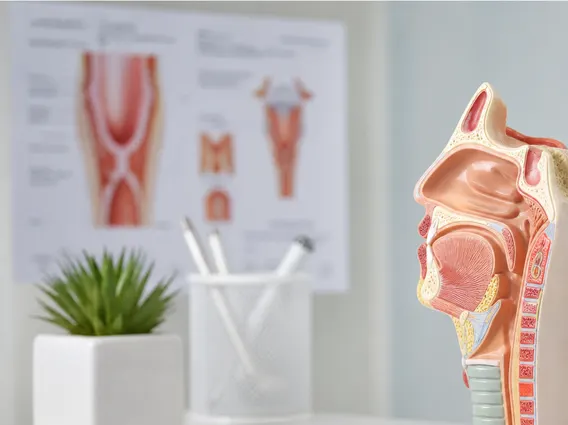
The Larynx is a cartilaginous structure located in the anterior neck, superior to the trachea and inferior to the pharynx. It is commonly referred to as the voice box because it contains the vocal cords, which are responsible for generating sound. Beyond its role in phonation, the larynx also serves as a critical component of the respiratory system, ensuring a clear passage for air into the lungs. Furthermore, it acts as a protective sphincter, closing off the airway during swallowing to prevent aspiration of food or liquids into the trachea.
Larynx Anatomy and Function
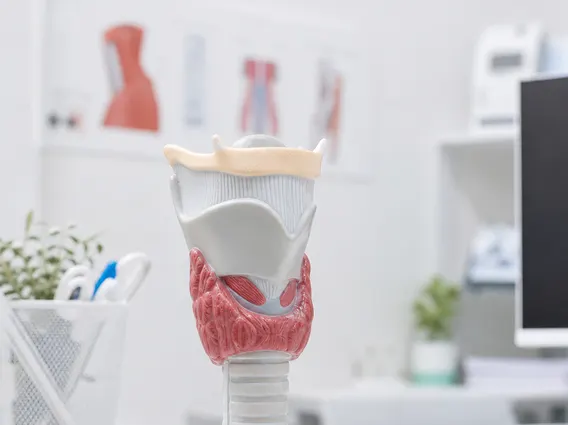
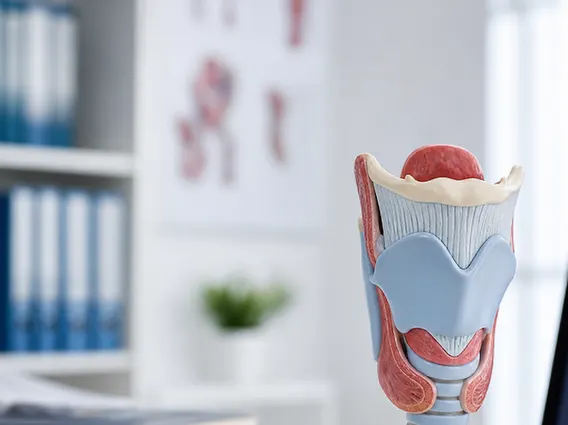
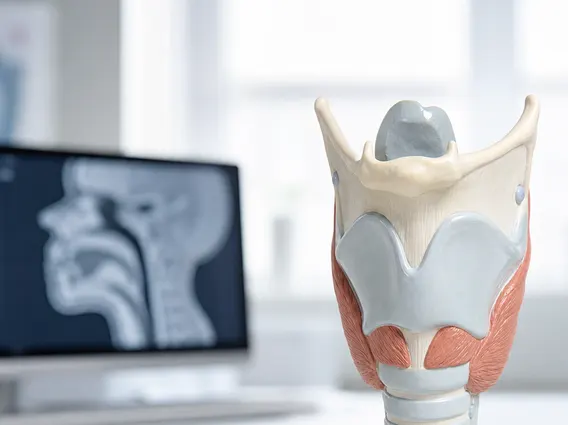
The larynx anatomy and function are intricately linked, allowing it to perform its multiple vital roles. Structurally, the larynx is primarily composed of several cartilages, the largest of which are the thyroid cartilage (forming the Adam’s apple), the cricoid cartilage (a complete ring below the thyroid), and the epiglottis. The epiglottis is a leaf-shaped cartilage that acts as a flap, closing over the glottis (the opening between the vocal cords) during swallowing to prevent food from entering the trachea. Inside the larynx are the vocal cords, two folds of mucous membrane stretched across the laryngeal cavity, which vibrate to produce sound.
The primary purpose of the larynx can be broken down into three main functions:
- Voice Production (Phonation): Air expelled from the lungs passes through the vocal cords, causing them to vibrate. The tension and length of these cords, controlled by intrinsic laryngeal muscles, determine the pitch of the sound, while the force of the air determines its volume.
- Airway Protection: During swallowing, the larynx moves upward and forward, and the epiglottis folds down to cover the laryngeal inlet. This mechanism ensures that food and liquids are directed into the esophagus and not into the trachea, preventing choking and aspiration pneumonia.
- Respiration: The larynx maintains an open airway for breathing. Its cartilaginous structure prevents collapse, and the vocal cords abduct (open) during inhalation and exhalation to allow for unobstructed airflow.
Key Larynx Facts
For those interested in learning more about this fascinating organ, here are some larynx facts for students and general readers. The larynx is typically larger in males than in females, which contributes to the lower vocal pitch commonly observed in men. This difference becomes noticeable during puberty when the larynx grows significantly, leading to the “voice crack” phenomenon in adolescent boys. The intricate muscles within the larynx are among the fastest-acting muscles in the human body, allowing for rapid and precise adjustments in vocal cord tension and position, essential for speech and singing.
The health of the larynx is crucial for overall well-being. Conditions affecting the larynx can range from temporary hoarseness due to overuse or infection (laryngitis) to more serious issues like vocal cord nodules, polyps, or even laryngeal cancer. Maintaining vocal hygiene, avoiding excessive shouting, and seeking medical attention for persistent voice changes are important steps in preserving laryngeal health.