Laryngeal
The term Laryngeal refers to structures and functions associated with the larynx, a vital organ located in the neck. Understanding this system is crucial for comprehending voice production, breathing, and swallowing mechanisms.
Key Takeaways
- The laryngeal system primarily involves the larynx, essential for voice, airway protection, and breathing.
- The larynx, commonly known as the voice box, houses the vocal folds and is composed of cartilage, muscles, and membranes.
- Its functions include producing sound (phonation), preventing food from entering the airway during swallowing, and regulating airflow during respiration.
- Common laryngeal conditions range from inflammation (laryngitis) to growths like vocal nodules, often presenting with voice changes or discomfort.
- Maintaining laryngeal health is vital for clear communication and efficient respiratory and digestive functions.
What is the Laryngeal System?
The Laryngeal system encompasses the larynx and its associated structures, playing a central role in several critical physiological processes. The larynx, often called the voice box, is a complex cartilaginous structure situated in the anterior neck, superior to the trachea and inferior to the pharynx. Its primary purpose is multifaceted: it serves as the organ of voice production, acts as a protective sphincter for the airway during swallowing, and helps regulate airflow during respiration. Without a properly functioning larynx, essential human abilities such as speaking, singing, and even safely eating would be severely compromised.
Laryngeal Anatomy and Function Explained
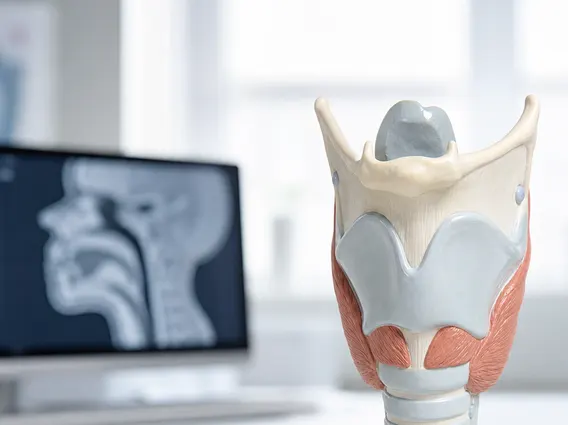
The human larynx is an intricate structure composed of several cartilages, muscles, and membranes, working in concert to perform its diverse roles. Key cartilages include the thyroid cartilage (forming the Adam’s apple), cricoid cartilage (a complete ring), and arytenoid cartilages (which anchor the vocal folds). Inside the larynx are the vocal folds, two bands of smooth muscle tissue that vibrate to produce sound. Muscles within and around the larynx control the tension and position of these folds, allowing for variations in pitch and volume.
The mechanism of how the human larynx work involves three main functions:
- Phonation: Air from the lungs passes through the vocal folds, causing them to vibrate rapidly. This vibration creates sound waves, which are then modified by the pharynx, mouth, and nasal cavity to produce speech and singing.
- Airway Protection: During swallowing, the epiglottis (a leaf-shaped cartilage) folds down to cover the laryngeal inlet, while the vocal folds adduct tightly. This prevents food and liquids from entering the trachea and lungs, a crucial reflex to avoid aspiration.
- Respiration: The larynx maintains an open airway for breathing. The vocal folds abduct (open) during inhalation and exhalation, allowing air to pass freely to and from the lungs.
Common Laryngeal Conditions and Symptoms
A variety of conditions can affect the larynx, leading to changes in voice, breathing, or swallowing. Understanding common laryngeal conditions symptoms is important for early detection and treatment. One of the most frequent conditions is laryngitis, an inflammation of the vocal folds, often caused by viral infections, vocal overuse, or irritants. Symptoms typically include hoarseness, a sore throat, and sometimes a dry cough.
Other common laryngeal issues include:
- Vocal Nodules: Benign growths on the vocal folds, often resulting from chronic vocal abuse or misuse, leading to persistent hoarseness and a breathy voice.
- Gastroesophageal Reflux Disease (GERD): Stomach acid refluxing into the throat can irritate the larynx, causing symptoms like chronic cough, throat clearing, hoarseness, and a sensation of a lump in the throat.
- Laryngeal Cancer: While less common, malignant tumors can develop in the larynx, particularly in individuals with a history of smoking and heavy alcohol consumption. Persistent hoarseness, difficulty swallowing, a lump in the neck, or unexplained weight loss are warning signs that warrant immediate medical attention.
- Vocal Fold Paralysis: Damage to the nerves controlling the vocal folds can lead to partial or complete paralysis, resulting in a weak, breathy voice, difficulty swallowing, and sometimes breathing problems.
If you experience persistent changes in your voice, difficulty breathing, or discomfort in your throat, it is advisable to consult a healthcare professional for an accurate diagnosis and appropriate management.