Double Balloon Endoscopy
Double Balloon Endoscopy (DBE) is an advanced endoscopic procedure designed to visualize and treat conditions within the entire small intestine, an area traditionally difficult to access with conventional endoscopes. This technique offers a crucial diagnostic and therapeutic tool for various gastrointestinal disorders.
Key Takeaways
- Double Balloon Endoscopy allows for comprehensive visualization of the entire small intestine.
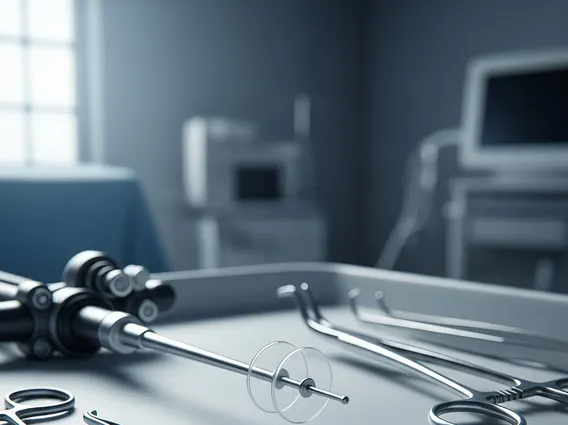
- The procedure involves a specialized endoscope and an overtube with two balloons, facilitating a “push-and-pull” technique.
- It is primarily used for diagnosing and treating conditions like obscure gastrointestinal bleeding, polyps, and inflammatory bowel disease.
- The procedure can be performed antegrade (via the mouth) or retrograde (via the anus), depending on the suspected location of the issue.
- Recovery is generally quick, with most patients returning to normal activities within a day, though mild discomfort may occur.
What is Double Balloon Endoscopy?
Double Balloon Endoscopy (DBE) is a specialized endoscopic technique that enables physicians to examine the full length of the small intestine. Unlike standard endoscopes, which can only reach the initial and final segments of the small bowel, DBE utilizes a unique system involving an endoscope and an overtube, both equipped with inflatable balloons. This innovative design allows for a “push-and-pull” method, pleating the small intestine over the overtube, thereby advancing the scope much further than previously possible.
This procedure is particularly valuable for investigating conditions that manifest in the middle sections of the small intestine, which are beyond the reach of gastroscopes or colonoscopes. Its development marked a significant advancement in gastroenterology, providing access to an organ previously considered a “black box” in endoscopic exploration. According to a review published in the World Journal of Gastroenterology, DBE has a high diagnostic yield, particularly for obscure gastrointestinal bleeding, ranging from 60% to 80% depending on the patient population and clinical indication.
The Double Balloon Endoscopy Procedure Explained
The double balloon endoscopy procedure explained involves careful preparation and execution to ensure patient safety and diagnostic accuracy. Before the procedure, patients typically undergo a period of fasting and may require bowel preparation, similar to a colonoscopy, if the retrograde approach is planned. Sedation or general anesthesia is administered to ensure comfort throughout the examination, which can last from one to three hours.
The endoscope, fitted with an overtube, is inserted either through the mouth (antegrade approach) to examine the upper and middle small intestine, or through the anus (retrograde approach) to examine the lower and middle small intestine. The choice of approach depends on the suspected location of the abnormality. Once inserted, the balloons are alternately inflated and deflated, allowing the endoscope to be advanced deep into the small bowel. This sequential advancement effectively shortens and straightens the bowel segments, facilitating thorough visualization and the performance of therapeutic interventions when necessary.
Uses and Recovery from Double Balloon Endoscopy
The uses of double balloon endoscopy are diverse, encompassing both diagnostic and therapeutic applications for various small bowel conditions. Its ability to access the entire small intestine makes it indispensable for investigating symptoms that remain unexplained by conventional endoscopy. Common indications include:
- Obscure Gastrointestinal Bleeding: Identifying the source of bleeding that is not found with upper endoscopy or colonoscopy.
- Small Bowel Tumors and Polyps: Detecting and often removing abnormal growths.
- Crohn’s Disease: Diagnosing, assessing disease activity, and evaluating strictures or fistulas in the small intestine.
- Celiac Disease: Obtaining biopsies from various parts of the small bowel to confirm diagnosis or monitor treatment.
- Foreign Body Removal: Extracting swallowed objects lodged in the small intestine.
- Stricture Dilation: Widening narrowed segments of the small bowel caused by inflammation or scarring.
Regarding double balloon endoscopy recovery time, most patients experience a relatively quick recovery. After the procedure, patients are monitored in a recovery area until the effects of sedation wear off. Common, mild side effects may include a sore throat (if the antegrade approach was used), abdominal bloating, or mild cramping. Serious complications, such as perforation or significant bleeding, are rare but possible. Patients are typically advised to rest for the remainder of the day and can usually resume their normal diet and activities within 24 hours, following specific instructions from their healthcare provider.