Digestive System
The Digestive System is a complex network of organs responsible for processing the food we eat, extracting nutrients, and eliminating waste. Understanding its intricate workings is fundamental to comprehending overall human health and well-being.
Key Takeaways
- The Digestive System breaks down food into absorbable nutrients and eliminates waste.
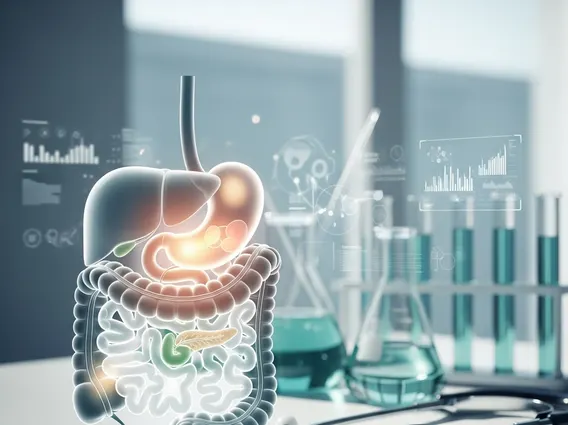
- It comprises the gastrointestinal tract and essential accessory organs like the liver and pancreas.
- Digestion involves both mechanical and chemical processes, commencing in the mouth and continuing through the intestines.
- Nutrient absorption primarily occurs in the small intestine, providing the body with energy and building blocks.
- Waste products are consolidated and expelled from the body via the large intestine and rectum.
What is the Digestive System?
The Digestive System refers to the intricate group of organs working in concert to convert food into energy and basic nutrients that can be absorbed and utilized by the body. This vital system processes everything we consume, ensuring that essential substances are extracted while waste is efficiently removed. The primary function of the digestive system is to facilitate this transformation, supporting growth, repair, and energy production for all bodily functions. It’s a continuous process that begins the moment food enters the mouth and concludes with the elimination of undigested material.
Key Parts of the Human Digestive System
The parts of the human digestive system include a long, winding tube called the gastrointestinal (GI) tract, along with several accessory organs that aid in digestion. The GI tract, also known as the alimentary canal, extends from the mouth to the anus, forming the direct pathway for food.
The main components of the GI tract are:
- Mouth: Where digestion commences with chewing and the mixing of food with saliva.
- Pharynx and Esophagus: Muscular tubes that transport food from the mouth to the stomach through swallowing.
- Stomach: A muscular, J-shaped organ that churns food and mixes it with digestive acids and enzymes.
- Small Intestine: The primary site for nutrient absorption, divided into three segments: the duodenum, jejunum, and ileum.
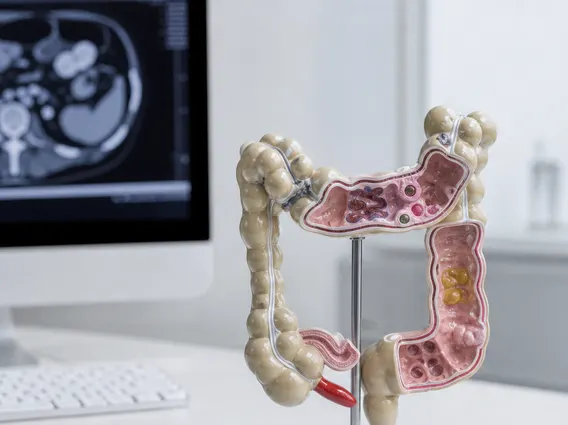
- Large Intestine: Absorbs water and electrolytes from undigested food, forming stool for elimination.
- Rectum and Anus: The final sections responsible for storing and expelling waste from the body.
Accessory organs, while not part of the GI tract itself, play crucial roles by producing and secreting substances vital for digestion:
- Salivary Glands: Produce saliva, which moistens food and contains enzymes to begin carbohydrate digestion.
- Liver: Produces bile, essential for fat digestion, and processes absorbed nutrients.
- Gallbladder: Stores and concentrates bile produced by the liver, releasing it into the small intestine when needed.
- Pancreas: Produces digestive enzymes for carbohydrates, proteins, and fats, as well as hormones like insulin that regulate blood sugar.
How the Digestive System Works
The process of digestion is a remarkable journey that transforms complex food molecules into simple nutrients the body can use. It involves both mechanical and chemical breakdown. It starts in the mouth, where food is chewed (mechanical digestion) and mixed with saliva. Saliva contains enzymes that begin breaking down carbohydrates (chemical digestion). The food then travels down the esophagus through a series of muscle contractions known as peristalsis, reaching the stomach.
In the stomach, strong muscular contractions churn the food, mixing it thoroughly with gastric acids and enzymes like pepsin, which initiates protein digestion. This creates a semi-liquid mixture called chyme. The chyme then gradually moves into the small intestine, where the majority of chemical digestion and nutrient absorption occur. Here, bile from the liver (stored in the gallbladder) emulsifies fats, and pancreatic enzymes further break down carbohydrates, proteins, and fats into their smaller components. The inner lining of the small intestine is covered with millions of tiny, finger-like projections called villi, which significantly increase the surface area for efficient absorption of these nutrients into the bloodstream.
Finally, any undigested food material and water pass into the large intestine. The large intestine absorbs remaining water and electrolytes, and beneficial bacteria ferment some of the indigestible material. This process forms solid waste, or feces, which is then stored in the rectum until it is eliminated from the body through the anus. This coordinated effort ensures the body receives the energy and building blocks it needs to thrive.