Digestive Tract
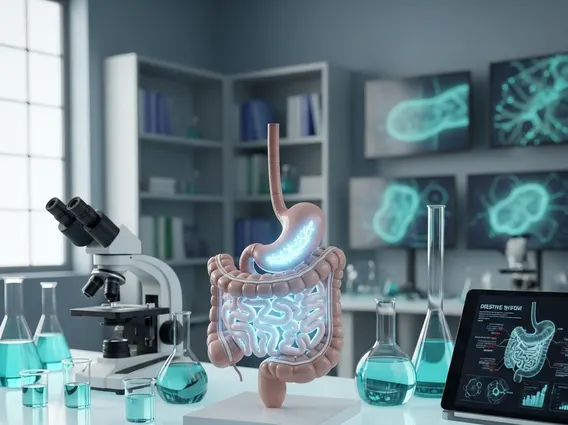
The digestive tract is a vital organ system responsible for processing food, extracting nutrients, and eliminating waste. Understanding its intricate workings is fundamental to comprehending overall human health and well-being.
Key Takeaways
- The digestive tract is a continuous muscular tube extending from the mouth to the anus, essential for nutrient absorption.
- Digestion involves both mechanical and chemical processes, breaking down food into absorbable molecules.
- Key organs like the stomach, small intestine, and large intestine each play distinct roles in this complex system.
- Efficient digestive function is crucial for energy production, growth, and maintaining overall bodily health.
What is the Digestive Tract?
The Digestive Tract, also known as the alimentary canal or gastrointestinal (GI) tract, is a continuous muscular tube that extends from the mouth to the anus. Its primary role is to ingest food, break it down into absorbable nutrients, absorb these nutrients into the bloodstream, and excrete the remaining waste products from the body. This intricate system is fundamental for sustaining life, converting the food we eat into the energy and building blocks required for cellular function and growth.
How the Human Digestive System Works
The human digestive system works through a coordinated series of mechanical and chemical processes that transform food into a usable form. This journey begins in the mouth with chewing and saliva mixing, initiating both mechanical and chemical digestion. Food then travels down the esophagus to the stomach, where strong muscular contractions and gastric acids further break it down. The partially digested food, or chyme, then moves into the small intestine, where most nutrient absorption occurs with the help of enzymes from the pancreas and bile from the liver. Finally, water is absorbed in the large intestine, and indigestible material is prepared for elimination. This continuous process ensures efficient nutrient extraction and waste removal.
Key Organs and Their Functions in Digestion
The parts of the digestive system explained involve a series of specialized organs, each contributing uniquely to the overall digestive process. The journey begins in the mouth, where food is chewed (mechanical digestion) and mixed with saliva containing enzymes like amylase, starting carbohydrate breakdown (chemical digestion). The pharynx and esophagus then act as conduits, moving food to the stomach through rhythmic muscular contractions known as peristalsis.
In the stomach, food is churned and mixed with strong gastric acids and enzymes, particularly pepsin, which initiates protein digestion. This acidic environment also helps to kill harmful bacteria. The functions of digestive tract organs are highly interdependent, with each playing a vital role:
- Mouth: Initiates mechanical digestion (chewing) and chemical digestion (saliva enzymes).
- Esophagus: Transports food from the mouth to the stomach via peristalsis.
- Stomach: Churns food, secretes acid and enzymes for initial protein breakdown.
- Small Intestine: Primary site for nutrient absorption and extensive chemical digestion.
- Large Intestine: Absorbs water and electrolytes, forms and stores feces.
- Liver: Produces bile, essential for fat digestion.
- Gallbladder: Stores and concentrates bile before releasing it into the small intestine.
- Pancreas: Produces digestive enzymes (e.g., amylase, lipase, proteases) and bicarbonate to neutralize stomach acid.
The small intestine, divided into the duodenum, jejunum, and ileum, is where digestive enzymes from the pancreas and bile from the liver further break down carbohydrates, fats, and proteins into their simplest forms. Its vast surface area, enhanced by villi and microvilli, maximizes the absorption of these nutrients into the bloodstream. The large intestine, comprising the cecum, colon, rectum, and anal canal, is mainly responsible for absorbing water and electrolytes from the remaining indigestible food matter. It also houses beneficial bacteria that produce certain vitamins, such as vitamin K. The final stage involves the formation and storage of feces, which are then eliminated from the body.