Stromal Tissue
Stromal tissue constitutes the supportive framework of organs, providing structural integrity and a dynamic microenvironment essential for the function of specialized cells. It plays a critical role in various physiological processes, from normal development to disease progression.
Key Takeaways
- Stromal tissue is the non-functional, supportive connective tissue within an organ, distinct from the functional parenchymal cells.
- It is composed of various cell types, such as fibroblasts and immune cells, along with an extracellular matrix.
- Key functions include providing structural support, facilitating cell communication, regulating immune responses, and aiding in tissue repair.
- Different organs feature distinct types of stromal tissue, each adapted to specific physiological requirements.
- The dynamic interaction between stromal and parenchymal cells is vital for tissue homeostasis and significantly impacts disease development, particularly in cancer.
What is Stromal Tissue?
Stromal Tissue refers to the connective and supportive tissue of an organ, forming its structural framework, as opposed to the parenchyma, which consists of the functional cells unique to that organ. This intricate network is crucial for maintaining the organ’s architecture and facilitating its proper operation. The stromal tissue composition is diverse, comprising various cell types embedded within an extracellular matrix (ECM).
The cellular components of stromal tissue typically include fibroblasts, which are responsible for synthesizing the ECM; immune cells like macrophages and lymphocytes, providing immune surveillance; endothelial cells, forming blood vessels for nutrient supply and waste removal; and adipocytes (fat cells), offering energy storage and cushioning. The extracellular matrix itself is a complex network of proteins and carbohydrates, such as collagen, elastin, proteoglycans, and hyaluronic acid, which provides mechanical support, regulates cell adhesion, and influences cell behavior and signaling.
Functions of Stromal Tissue
Stromal tissue performs a multitude of vital roles that are indispensable for organ health and function. These roles extend beyond mere structural support, encompassing complex biological interactions and regulatory mechanisms. Understanding these functions is key to appreciating the tissue’s importance in both health and disease.
The primary functions of stromal tissue include:
- Structural Support: It provides the physical scaffolding that maintains the shape and integrity of organs, anchoring parenchymal cells and organizing them into functional units.
- Microenvironment Regulation: Stromal tissue creates a specific microenvironment that influences the growth, differentiation, and survival of parenchymal cells through direct cell-cell contact and secreted factors.
- Nutrient and Waste Exchange: Through its vascular network, stromal tissue ensures the efficient delivery of oxygen and nutrients to parenchymal cells and the removal of metabolic waste products.
- Immune Surveillance and Response: It houses various immune cells that monitor the tissue for pathogens and damage, initiating inflammatory and immune responses when necessary.
- Tissue Repair and Remodeling: In response to injury, stromal cells, particularly fibroblasts, are activated to produce new ECM, facilitate wound healing, and remodel the tissue.
- Cell Communication: Stromal cells actively communicate with parenchymal cells and other stromal components via growth factors, cytokines, and direct physical interactions, orchestrating tissue development and homeostasis.
Types of Stromal Tissue
The nature of stromal tissue varies significantly across different organs and physiological contexts, reflecting the specific demands and functions of the surrounding parenchymal cells. While the fundamental components remain similar, their organization, density, and specific cellular makeup adapt to the local environment.
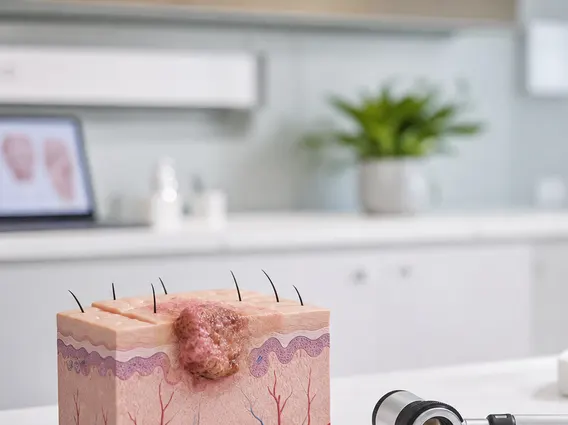
For instance, in the skin, the dermis acts as a robust stromal layer, rich in collagen and elastin, providing strength and elasticity. In glandular organs like the breast or prostate, the stroma is highly dynamic, responding to hormonal signals and influencing epithelial cell proliferation and differentiation. Bone marrow stroma, on the other hand, is critical for hematopoiesis, providing a niche that supports the development of various blood cells.
A notable example of specialized stromal tissue is the tumor stroma, which is profoundly altered during cancer development. Here, fibroblasts transform into cancer-associated fibroblasts (CAFs), and the ECM becomes stiff and remodeled, creating a microenvironment that promotes tumor growth, invasion, and metastasis. This dynamic interplay highlights how different types of stromal tissue are not merely passive supports but active participants in both healthy physiological processes and disease pathogenesis.