
Stage Iiib Intraocular Melanoma Of The Ciliary Body And Choroid
Stage IIIB intraocular melanoma of the ciliary body and choroid represents a serious form of eye cancer that originates in the uvea, the middle layer of the eye. This article provides a comprehensive overview of this condition, covering its definition, symptoms, available treatments, and long-term outlook.
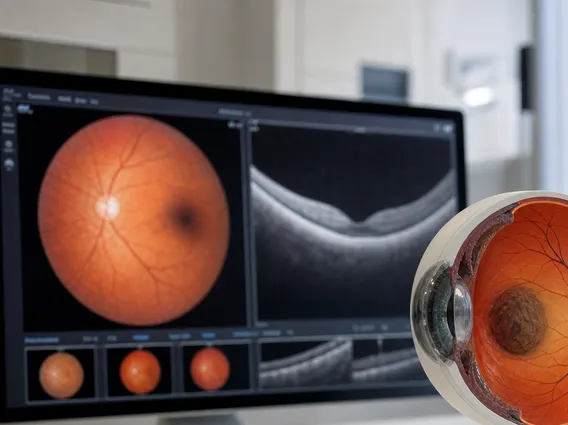
Key Takeaways
- Stage IIIB Intraocular Melanoma of the Ciliary Body and Choroid is an advanced but localized form of eye cancer affecting the uvea.
- Symptoms can include blurred vision, floaters, or changes in pupil shape, though early stages may be asymptomatic.
- Treatment options range from radiation therapies like brachytherapy to surgical removal (enucleation), tailored to the tumor’s characteristics.
- Prognosis is influenced by factors such as tumor size, location, and cell type, emphasizing the need for diligent follow-up.
- Early detection and a multidisciplinary approach are crucial for managing the disease and improving outcomes.
Understanding Stage IIIB Intraocular Melanoma of the Ciliary Body and Choroid
Stage IIIB Intraocular Melanoma of the Ciliary Body and Choroid refers to a specific classification of a rare eye cancer that develops in the pigment-producing cells (melanocytes) of the eye. Intraocular melanoma is the most common primary intraocular malignancy in adults, with an incidence of about 5-6 cases per million people per year in the United States, according to the American Academy of Ophthalmology. The ciliary body and choroid are parts of the uvea, the vascular middle layer of the eye. The choroid is rich in blood vessels and nourishes the retina, while the ciliary body produces aqueous humor and contains muscles that change the shape of the lens.
When we discuss Stage IIIB intraocular melanoma, it signifies a tumor that is typically large, often involving the ciliary body and choroid, and may have extended beyond the eye wall but without evidence of distant metastasis. This staging indicates a significant local tumor burden, necessitating aggressive treatment strategies to preserve vision where possible and prevent further spread. Understanding the precise location and stage is critical for determining the most effective course of action.
Recognizing Symptoms and Treatment Options for Stage IIIB Eye Melanoma
Recognizing Symptoms of ciliary body and choroid melanoma can be challenging in its early stages, as the tumor may not cause noticeable visual disturbances. However, as the tumor grows, various signs and symptoms may emerge, prompting a visit to an ophthalmologist. These can include:
- Blurred vision or a sudden decrease in visual acuity.
- Flashes of light (photopsia) or the appearance of new floaters in the field of vision.
- A dark spot on the iris (if the tumor extends to this area).
- Changes in the shape of the pupil.
- Peripheral vision loss.
- Less commonly, eye pain or redness, which may indicate more advanced disease or complications.
Effective Treatment for Stage IIIB eye melanoma is highly individualized and depends on factors such as tumor size, location, patient’s overall health, and visual prognosis. The primary goal is to eradicate the tumor while preserving as much vision as possible and preventing metastasis. Common treatment modalities include:
| Treatment Type | Description |
|---|---|
| Brachytherapy | A form of radiation therapy where a small radioactive plaque is temporarily sewn onto the eye over the tumor. |
| Proton Beam Therapy | A type of external beam radiation that delivers highly targeted radiation to the tumor, sparing surrounding healthy tissue. |
| Enucleation | Surgical removal of the entire eye, typically reserved for very large tumors, those causing severe pain, or when other treatments are not feasible. |
| Transpupillary Thermotherapy (TTT) | Uses a laser to heat and destroy tumor cells, often used for smaller tumors or as an adjunct to radiation. |
Decisions regarding treatment are made by a multidisciplinary team, including ophthalmologists, radiation oncologists, and medical oncologists, to ensure the most appropriate and comprehensive care plan.
Prognosis and Long-Term Outlook for Stage IIIB Intraocular Melanoma
The Prognosis of Stage IIIB intraocular melanoma is influenced by several factors, including the tumor’s size, its exact location within the ciliary body and choroid, the specific cell type (e.g., epithelioid cells are associated with a less favorable prognosis), and the presence of certain genetic mutations. Despite the advanced local stage, Stage IIIB indicates that there is no evidence of distant metastasis at the time of diagnosis, which is a critical factor in prognosis.
Patients with Stage IIIB intraocular melanoma require diligent long-term follow-up to monitor for local recurrence and, more importantly, for the development of metastatic disease, most commonly to the liver. Regular imaging studies and blood tests are often part of this surveillance. While treatment aims to control the primary tumor, the risk of metastasis remains a significant concern. According to the American Cancer Society, the five-year survival rate for localized eye melanoma is generally high, but it decreases if the cancer has spread. Early detection of metastasis, though not part of Stage IIIB, is crucial for initiating systemic therapies such as immunotherapy or targeted therapy, which may improve outcomes.
It is important to note that information regarding supportive or complementary therapies is intended to supplement, not replace, conventional medical treatment. Always consult with your healthcare provider for personalized medical advice and treatment plans.



















