
Stage Ib Non Small Cell Lung Cancer
Understanding a cancer diagnosis is crucial for effective management and treatment planning. This article provides an overview of Stage Ib Non Small Cell Lung Cancer, outlining its characteristics, common symptoms, and available treatment approaches.
Key Takeaways
- Stage Ib Non Small Cell Lung Cancer (NSCLC) indicates a tumor that is 3-4 cm in size, or a smaller tumor with specific features like visceral pleural invasion.
- Symptoms can be subtle and often include persistent cough, shortness of breath, and chest pain.
- Treatment typically involves surgery, often followed by adjuvant chemotherapy or targeted therapy, depending on individual factors.
- Prognosis for Stage Ib NSCLC is generally favorable compared to later stages, with high survival rates after appropriate treatment.
What is Stage Ib Non Small Cell Lung Cancer (NSCLC)?
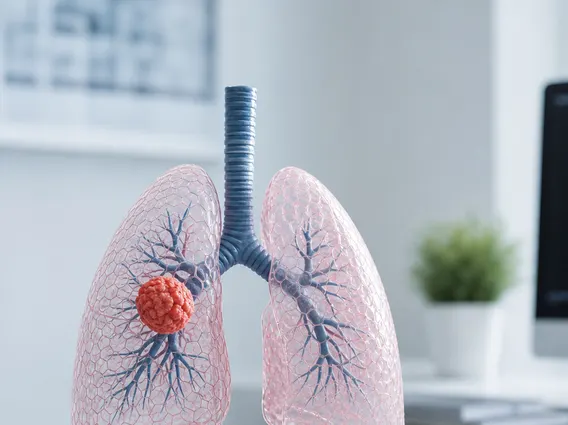
Stage Ib Non Small Cell Lung Cancer (NSCLC) refers to a specific classification within the TNM (Tumor, Node, Metastasis) staging system for lung cancer. This stage indicates that the primary tumor has grown to a size between 3 and 4 centimeters, or it is a smaller tumor (less than 3 cm) but exhibits certain characteristics, such as invading the visceral pleura (the membrane covering the lung) or involving the main bronchus without reaching the carina. It is important to note that at Stage Ib, there is no evidence of cancer spread to nearby lymph nodes or distant parts of the body. NSCLC accounts for approximately 85% of all lung cancers, making this staging particularly relevant for a large number of patients. According to the American Cancer Society, early detection and accurate staging are critical for determining the most effective course of action for patients.
Symptoms of Stage Ib Lung Cancer
Recognizing Stage 1b lung cancer symptoms can be challenging as they are often non-specific and may mimic those of less serious conditions. However, being aware of potential indicators is vital for early diagnosis. These symptoms typically arise from the tumor’s presence in the lung and can include:
- A persistent cough that does not go away or worsens over time.
- Shortness of breath, especially during physical activity.
- Chest pain that may worsen with deep breathing, coughing, or laughing.
- Hoarseness or changes in voice.
- Unexplained weight loss and loss of appetite.
- Fatigue.
It is crucial to consult a healthcare professional if any of these symptoms persist, as early detection significantly improves treatment outcomes. While these symptoms can be indicative of Stage Ib NSCLC, they do not confirm a diagnosis, which requires further medical evaluation.
Treatment Options and Prognosis for Stage Ib NSCLC
The primary treatment options Stage Ib lung cancer typically involve surgical removal of the tumor. The specific surgical procedure depends on the tumor’s location and size, but common approaches include a lobectomy (removal of a lung lobe) or a segmentectomy (removal of a smaller section of the lung). For patients who are not candidates for surgery due to other health conditions, stereotactic body radiation therapy (SBRT) may be an alternative. Following surgery, adjuvant therapy, such as chemotherapy or targeted therapy, may be recommended to eliminate any remaining cancer cells and reduce the risk of recurrence. The decision for adjuvant therapy is often based on pathological findings and molecular testing of the tumor.
The Stage Ib non small cell lung cancer prognosis is generally considered favorable compared to more advanced stages. Survival rates are higher for Stage Ib NSCLC patients who receive appropriate treatment. For instance, the 5-year relative survival rate for localized lung cancer (which includes Stage Ib) is about 64%, according to data from the National Cancer Institute’s SEER Program. However, individual prognosis can vary based on several factors, including the patient’s overall health, the exact size and characteristics of the tumor, and the presence of specific genetic mutations that may influence treatment response. Regular follow-up appointments and surveillance are essential after treatment to monitor for any signs of recurrence.



















