
Stage Ii Ovarian Epithelial Fallopian Tube And Primary Peritoneal Cancer
Stage II ovarian epithelial, fallopian tube, and primary peritoneal cancer represents a critical phase where the cancer has spread beyond the original site but is still confined to the pelvic region. Understanding this stage is crucial for effective diagnosis and treatment planning.
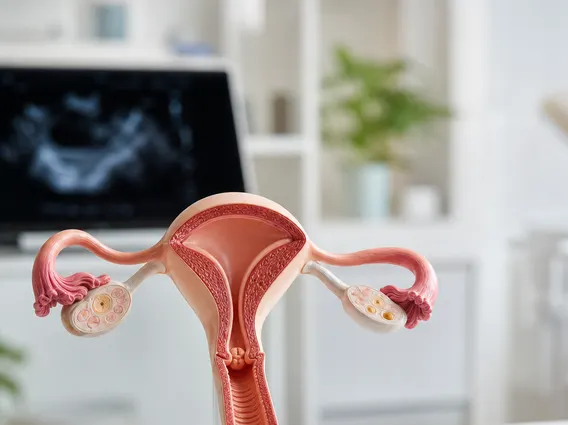
Key Takeaways
- Stage II ovarian, fallopian tube, and primary peritoneal cancer means the disease has spread from its origin but remains within the pelvis.
- Symptoms can be vague but often include persistent abdominal discomfort, bloating, and changes in bowel or bladder habits.
- Diagnosis typically involves imaging, blood tests (like CA-125), and biopsy.
- Treatment usually involves a combination of surgery to remove as much tumor as possible, followed by chemotherapy.
- Early detection and comprehensive treatment strategies are vital for managing this stage of cancer.
What is Stage Ii Ovarian Epithelial Fallopian Tube And Primary Peritoneal Cancer?
Stage II Ovarian Epithelial Fallopian Tube And Primary Peritoneal Cancer refers to a group of gynecologic cancers that have progressed beyond their initial site but are still localized within the pelvis. This means the cancer has spread from the ovaries, fallopian tubes, or the peritoneum (the lining of the abdomen) to other pelvic structures, such as the uterus, bladder, or rectum, but has not yet reached distant organs. The staging system for these cancers is complex, but Stage II specifically indicates regional spread. According to the American Cancer Society, epithelial ovarian cancer accounts for about 90% of all ovarian cancers, and understanding its staging is paramount for prognosis and treatment decisions.
When discussing what is stage 2 ovarian epithelial cancer, it is important to note that it encompasses situations where the tumor has grown from the ovary and invaded nearby pelvic tissues. Similarly, Fallopian tube cancer stage 2 information indicates that the cancer originating in the fallopian tube has spread to adjacent pelvic organs. Primary peritoneal cancer, which originates from the cells lining the peritoneum, is staged similarly to ovarian cancer due to its similar pathology and spread patterns. These cancers often present with non-specific symptoms, making early diagnosis challenging.
Symptoms of Stage II Ovarian and Fallopian Tube Cancer
The symptoms associated with Stage II ovarian epithelial cancer symptoms and fallopian tube cancer at this stage can be subtle and easily mistaken for less serious conditions. This often leads to a delayed diagnosis. As the cancer grows and spreads within the pelvis, it can exert pressure on surrounding organs, leading to a range of discomforts. It is crucial to pay attention to persistent symptoms, especially if they are new or worsening.
Common symptoms may include:
- Persistent abdominal bloating or swelling
- Pelvic or abdominal pain or discomfort
- Difficulty eating or feeling full quickly
- Frequent or urgent urination
- Changes in bowel habits, such as constipation or diarrhea
- Fatigue
- Back pain
- Pain during intercourse
While these symptoms can be caused by many non-cancerous conditions, their persistence, frequency, and severity warrant medical evaluation. Early detection significantly improves treatment outcomes, emphasizing the importance of recognizing these signs.
Treatment for Stage II Primary Peritoneal Cancer
Treatment for Stage II Primary Peritoneal Cancer typically involves a multi-modal approach, combining surgery and chemotherapy. The primary goal of surgery, often referred to as debulking surgery or cytoreduction, is to remove as much of the cancerous tissue as possible from the abdominal cavity and pelvis. This can include removing the primary tumor, any visible implants on the peritoneum, and sometimes affected organs like the uterus, ovaries, fallopian tubes, and parts of the bowel or omentum.
Following surgery, chemotherapy is almost always administered to target any remaining cancer cells. This systemic treatment aims to destroy microscopic disease that could not be surgically removed and to prevent recurrence. Chemotherapy drugs are typically given intravenously, often in cycles over several months. In some cases, neoadjuvant chemotherapy (chemotherapy before surgery) may be used to shrink large tumors, making them easier to remove surgically. The specific treatment plan is tailored to each individual, considering the extent of the disease, the patient’s overall health, and the specific characteristics of the cancer cells.



















