
Stage Ii Malignant Pleural Mesothelioma
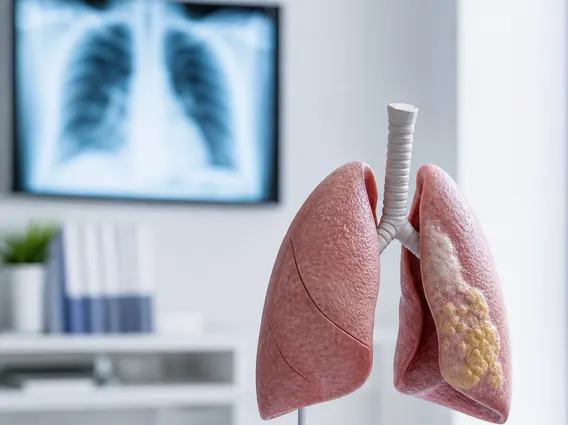
Stage II malignant pleural mesothelioma is an aggressive and rare cancer affecting the lining of the lungs (pleura), primarily caused by asbestos exposure. This stage indicates that the cancer has grown beyond the pleura but remains localized within one side of the chest, making early diagnosis and prompt treatment crucial.
Key Takeaways
- Stage II Malignant Pleural Mesothelioma signifies localized cancer spread within one side of the chest, beyond the pleura.
- Common symptoms include chest pain, shortness of breath, and unexplained weight loss, often mimicking less serious conditions.
- Diagnosis involves imaging, biopsies, and pathological examination to confirm the stage and cell type.
- Treatment typically combines surgery, chemotherapy, and radiation, tailored to the individual patient.
- Prognosis varies, influenced by factors such as tumor characteristics, patient health, and response to therapy.
What is Stage II Malignant Pleural Mesothelioma?
Stage II Malignant Pleural Mesothelioma refers to a specific stage of this aggressive cancer where the tumor has grown into the diaphragm, lung tissue, or lymph nodes on the same side of the chest, but has not spread to distant organs or the other side of the body. This classification is vital for guiding treatment strategies and understanding the disease’s progression. Understanding Stage II pleural mesothelioma involves recognizing that while the cancer is still considered localized, it has advanced beyond Stage I, indicating a more complex disease presentation. According to the American Cancer Society, mesothelioma is a relatively rare cancer, with approximately 3,000 new cases diagnosed in the United States each year, a significant portion of which are pleural mesothelioma cases.
The staging process for mesothelioma is complex, often utilizing systems like the TNM (Tumor, Node, Metastasis) system, which evaluates the size and extent of the primary tumor, involvement of nearby lymph nodes, and presence of distant metastasis. For Stage II, the tumor may have invaded adjacent structures, but it is still considered resectable in many cases, meaning surgical removal might be an option. Early and accurate staging is paramount for oncologists to develop the most effective treatment plan tailored to the individual patient’s condition.
Recognizing Stage II Pleural Mesothelioma Symptoms
Recognizing Stage II malignant pleural mesothelioma symptoms can be challenging as they often mimic those of less severe respiratory or other conditions. These symptoms typically arise as the tumor grows and exerts pressure on surrounding organs and tissues within the chest cavity. Early detection can significantly impact treatment effectiveness, though symptoms often do not become noticeable until the disease has progressed.
Common symptoms associated with Stage II malignant pleural mesothelioma include:
- Persistent Chest Pain: Often described as a dull ache or tightness in the chest, which can worsen with deep breaths.
- Shortness of Breath (Dyspnea): Caused by fluid buildup around the lungs (pleural effusion) or the tumor compressing lung tissue.
- Unexplained Weight Loss: A common symptom of many cancers, resulting from the body’s increased energy expenditure and altered metabolism.
- Persistent Cough: A dry, hacking cough that does not resolve.
- Fatigue: Profound and persistent tiredness that is not relieved by rest.
- Swelling in the Face and Arms: If the tumor presses on the superior vena cava, a major vein returning blood to the heart.
It is important for individuals experiencing these symptoms, especially those with a history of asbestos exposure, to seek medical evaluation promptly. A thorough diagnostic workup, including imaging studies like CT scans, MRI, or PET scans, and a biopsy, is necessary to confirm a diagnosis and determine the exact stage of the cancer.
Treatment and Prognosis for Stage II Malignant Mesothelioma
Treatment options for Stage II mesothelioma are typically multimodal, combining several therapeutic approaches to target the cancer effectively. Given that Stage II is still considered localized, surgery often plays a significant role in the treatment plan, aiming to remove as much of the cancerous tissue as possible. Surgical procedures may include an extrapleural pneumonectomy (EPP), which involves removing the affected lung, pleura, diaphragm, and pericardium, or a pleurectomy/decortication (P/D), which removes the pleura and any visible tumor without removing the lung.
Beyond surgery, other common treatments include:
| Treatment Modality | Description |
|---|---|
| Chemotherapy | Systemic drugs used to kill cancer cells throughout the body, often administered before (neoadjuvant) or after (adjuvant) surgery to shrink tumors or eliminate residual cells. |
| Radiation Therapy | High-energy rays used to destroy cancer cells or shrink tumors, typically applied to the chest area to target remaining cancer cells post-surgery or to alleviate symptoms. |
| Immunotherapy | Treatments that boost the body’s natural defenses to fight cancer, often used in advanced stages or when other treatments are not effective. |
| Targeted Therapy | Drugs that specifically target certain molecules involved in cancer growth and survival, potentially offering a more personalized approach. |
The prognosis of Stage II malignant mesothelioma varies significantly among individuals and depends on several factors. These include the patient’s overall health, the specific cell type of the mesothelioma (epithelioid, sarcomatoid, or biphasic), the extent of tumor removal during surgery, and the patient’s response to chemotherapy and radiation. While Stage II generally has a more favorable prognosis than later stages, it remains a challenging disease. Ongoing research continues to explore new therapies and combinations to improve outcomes for patients with this condition. Any information regarding alternative or complementary therapies is intended for supportive purposes only and should not replace conventional medical treatment advised by a qualified healthcare professional.



















