Reproductive Endocrinologist
A Reproductive Endocrinologist is a highly specialized physician focusing on the diagnosis and treatment of infertility and hormonal disorders affecting reproduction. They play a crucial role in helping individuals and couples achieve their family-building goals.
Key Takeaways
- A Reproductive Endocrinologist is a medical specialist in fertility and reproductive hormonal health.
- They diagnose and treat various conditions causing infertility in both men and women.
- Their expertise includes advanced reproductive technologies like IVF and fertility preservation.
- Consultation is recommended for persistent infertility, recurrent pregnancy loss, or reproductive endocrine disorders.
What is a Reproductive Endocrinologist?
A Reproductive Endocrinologist is a board-certified obstetrician-gynecologist (OB/GYN) who has completed additional fellowship training in reproductive endocrinology and infertility (REI). This specialized training equips them with in-depth knowledge of the complex hormonal interactions and anatomical factors that govern human reproduction. They are experts in understanding the intricate mechanisms of the endocrine system as it relates to fertility, puberty, menopause, and other reproductive functions.
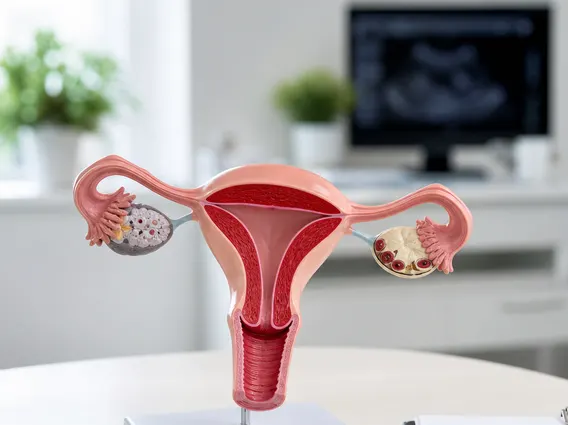
Their practice involves a comprehensive approach to reproductive health, utilizing advanced diagnostic tools and therapeutic interventions. They address a wide spectrum of conditions, ranging from hormonal imbalances like Polycystic Ovary Syndrome (PCOS) to structural issues affecting the reproductive organs. This deep specialization allows them to offer tailored treatments for complex cases of infertility and reproductive disorders.
Key Responsibilities of a Reproductive Endocrinologist
The Role of a reproductive endocrinologist encompasses a broad range of responsibilities focused on reproductive health and fertility. They are primarily involved in evaluating, diagnosing, and treating infertility in both male and female patients. This involves a thorough medical history, physical examinations, and a series of diagnostic tests to identify underlying causes.
The Reproductive endocrinologist job description includes managing various conditions that impact fertility. A Reproductive endocrinology specialist explained their duties often involve:
- Diagnosing and treating infertility: This includes identifying factors such as ovulatory dysfunction, male factor infertility, tubal obstruction, and uterine abnormalities.
- Performing Assisted Reproductive Technologies (ART): Procedures like In Vitro Fertilization (IVF), Intrauterine Insemination (IUI), and egg freezing are central to their practice.
- Managing hormonal disorders: Conditions such as Polycystic Ovary Syndrome (PCOS), endometriosis, thyroid disorders, and pituitary gland issues that affect fertility fall under their purview.
- Treating recurrent pregnancy loss: Investigating and addressing causes of multiple miscarriages.
- Providing fertility preservation options: For individuals facing medical treatments (e.g., cancer therapy) that may impair future fertility.
- Performing reproductive surgeries: Minimally invasive procedures to correct anatomical issues affecting fertility.
Globally, an estimated 1 in 6 people experience infertility in their lifetime, highlighting the critical need for specialists like Reproductive Endocrinologists, according to the World Health Organization (WHO).
When to Consult a Reproductive Endocrinologist
Consulting a Reproductive Endocrinologist is advisable for individuals or couples experiencing difficulties conceiving or managing reproductive health issues. Generally, if a woman under 35 has been trying to conceive for 12 months without success, or a woman 35 or older has been trying for 6 months, it is recommended to seek specialist evaluation. Earlier consultation may be warranted if there are known risk factors for infertility.
Other specific situations that warrant a visit to a Reproductive Endocrinologist include:
- Recurrent pregnancy loss (two or more miscarriages).
- Irregular or absent menstrual cycles.
- Diagnosis of conditions like endometriosis, PCOS, or uterine fibroids that may affect fertility.
- Male factor infertility, such as low sperm count or motility.
- Desire for fertility preservation due to age or impending medical treatments.
- Genetic concerns related to reproduction.
These specialists provide comprehensive care, offering hope and advanced medical solutions to those navigating the complexities of reproductive challenges.