Stage Iii Intrahepatic Bile Duct Cancer
Stage III intrahepatic bile duct cancer is an advanced form of cancer that originates in the bile ducts within the liver. Understanding its characteristics, symptoms, and treatment options is crucial for patients and their families.
Key Takeaways
- Stage III Intrahepatic Bile Duct Cancer indicates localized advanced disease, often involving multiple tumors, major blood vessels, or regional lymph nodes within the liver.
- Common symptoms include jaundice, abdominal pain, unexplained weight loss, and fatigue, necessitating prompt medical evaluation.
- Diagnosis typically involves imaging tests, blood markers, and a biopsy to confirm the cancer and its stage.
- Treatment often combines surgery (if feasible), chemotherapy, and radiation therapy, with targeted therapies or immunotherapy potentially considered.
- The prognosis varies significantly based on tumor characteristics, treatment response, and overall patient health, emphasizing the importance of personalized care.
What is Stage III Intrahepatic Bile Duct Cancer?
Stage III Intrahepatic Bile Duct Cancer refers to a type of cholangiocarcinoma that has progressed beyond its initial stages but is still primarily confined to the liver or its immediate surrounding lymph nodes. This classification signifies that the cancer is locally advanced, meaning it may involve multiple tumors within the liver, has grown into major blood vessels (like the portal vein or hepatic artery), or has spread to regional lymph nodes. However, it has not yet metastasized to distant organs.
Intrahepatic bile duct cancer originates in the small bile ducts inside the liver. The staging system helps oncologists determine the extent of the cancer, which is vital for guiding treatment decisions and predicting prognosis. Stage III indicates a more complex disease presentation compared to earlier stages, often requiring aggressive and multidisciplinary treatment approaches.
Symptoms and Diagnosis of Stage III Intrahepatic Cholangiocarcinoma
The stage iii intrahepatic bile duct cancer symptoms often become more apparent as the disease progresses. These can include:
- Jaundice (yellowing of the skin and eyes) due to bile duct obstruction.
- Persistent abdominal pain, particularly in the upper right quadrant.
- Unexplained weight loss and loss of appetite.
- Fatigue and general weakness.
- Dark urine and pale stools.
- Itching (pruritus) caused by bile salt buildup.
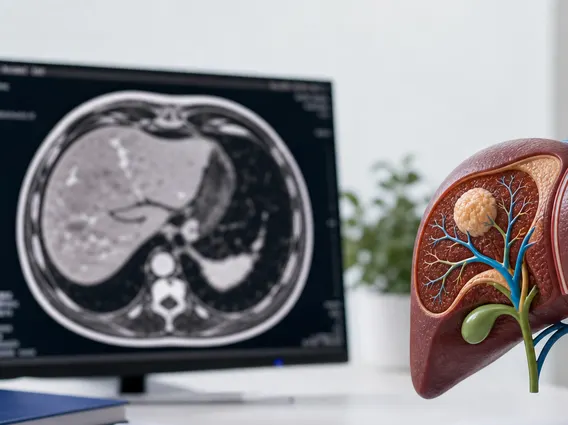
Diagnosing Stage III intrahepatic cholangiocarcinoma involves a comprehensive evaluation. This typically begins with a physical examination and blood tests, including liver function tests and tumor markers like CA 19-9. Imaging studies are crucial and may include ultrasound, computed tomography (CT) scans, magnetic resonance imaging (MRI), and sometimes positron emission tomography (PET) scans to assess tumor size, location, and spread. A definitive diagnosis requires a biopsy, where a tissue sample is taken from the tumor and examined under a microscope.
Treatment Options and Prognosis for Stage III Bile Duct Cancer
The treatment options for stage 3 bile duct cancer are complex and often involve a multidisciplinary team of specialists. While surgical removal of the tumor (resection) is the primary curative option for earlier stages, it may be more challenging in Stage III due to the tumor’s size, location, or involvement of critical structures. If surgery is not possible, other treatments aim to control the disease and manage symptoms.
Common treatment modalities include:
- Chemotherapy: Systemic drugs are used to kill cancer cells throughout the body. It may be given before surgery (neoadjuvant) to shrink the tumor, after surgery (adjuvant) to eliminate remaining cells, or as a primary treatment for unresectable tumors.
- Radiation Therapy: High-energy rays target and destroy cancer cells. This can be external beam radiation or internal radiation (brachytherapy).
- Targeted Therapy: Drugs that specifically target molecular pathways involved in cancer growth, often used for tumors with specific genetic mutations.
- Immunotherapy: Medications that boost the body’s immune system to fight cancer cells.
The prognosis of stage iii intrahepatic cholangiocarcinoma varies significantly among individuals, depending on factors such as the extent of tumor spread, response to treatment, overall health, and specific genetic mutations of the cancer. While Stage III indicates a more advanced disease, advancements in treatment continue to improve outcomes. According to the American Cancer Society, the overall 5-year survival rate for intrahepatic bile duct cancer that has spread regionally (which includes Stage III) is approximately 11% (American Cancer Society, “Survival Rates for Bile Duct Cancer,” 2024). It is important to note that these statistics are averages and do not predict individual outcomes, as each patient’s journey is unique.