Renal Function
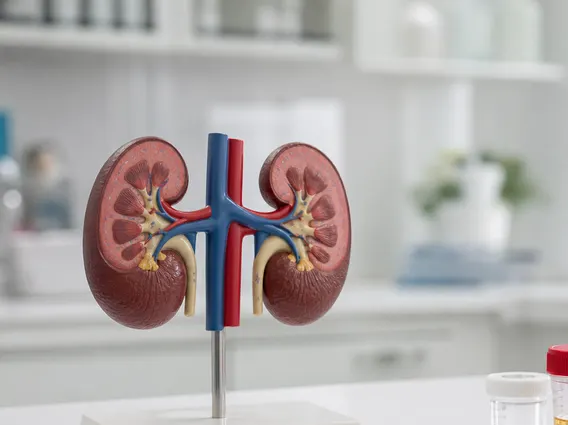
Renal function refers to the overall health and performance of the kidneys, vital organs responsible for filtering waste products from the blood, maintaining fluid and electrolyte balance, and producing hormones. Understanding how well your kidneys are functioning is crucial for detecting potential health issues early.
Key Takeaways
- Renal function encompasses the kidneys’ ability to filter blood, balance fluids, and produce essential hormones.
- Key indicators of kidney health include Glomerular Filtration Rate (GFR), creatinine, and blood urea nitrogen (BUN) levels.
- Regular monitoring through renal function tests explained helps detect kidney issues early, often before symptoms appear.
- Maintaining a healthy lifestyle, including diet, hydration, and blood pressure control, is essential for preserving kidney health.
- Early intervention and lifestyle adjustments are critical for how to improve renal function and prevent progression of kidney disease.
What is Renal Function?
Renal function is the term used to describe the many roles the kidneys play in maintaining overall health. These two bean-shaped organs, located on either side of the spine just below the rib cage, are sophisticated filters that process about 120-150 quarts of blood daily, producing 1-2 quarts of urine. Beyond waste removal, kidneys perform several other critical functions that are essential for life.
The primary functions of healthy kidneys include filtering waste products and excess water from the blood, which are then excreted as urine. They also regulate blood pressure, produce red blood cells through the hormone erythropoietin, and maintain the body’s balance of electrolytes like sodium, potassium, and calcium. Furthermore, kidneys activate vitamin D, which is crucial for bone health. The importance of healthy kidney function cannot be overstated, as impaired function can lead to a buildup of toxins, fluid retention, and serious health complications affecting nearly every body system. According to the Centers for Disease Control and Prevention (CDC), chronic kidney disease (CKD) affects an estimated 15% of adults in the United States, highlighting the widespread impact of compromised renal health.
Understanding Renal Function Tests
To assess kidney health, healthcare providers rely on various renal function tests explained through blood and urine samples. These tests measure specific substances in the body that indicate how efficiently the kidneys are performing their filtering duties. Early detection of changes in these markers can signal kidney damage or disease, often before a person experiences any noticeable symptoms.
Common tests used to evaluate renal function include:
- Glomerular Filtration Rate (GFR): This is considered the best measure of kidney function. GFR estimates how much blood passes through the glomeruli (tiny filters in the kidneys) each minute. It’s calculated using a formula that considers blood creatinine levels, age, sex, and race. A GFR below 60 mL/min/1.73 m² for three months or more is a sign of chronic kidney disease.
- Serum Creatinine: Creatinine is a waste product from muscle metabolism that healthy kidneys filter out of the blood. High levels of creatinine in the blood can indicate that the kidneys are not filtering effectively.
- Blood Urea Nitrogen (BUN): Urea nitrogen is another waste product formed when protein breaks down. Like creatinine, elevated BUN levels can suggest impaired kidney function, though BUN can also be affected by dehydration or protein intake.
- Urinalysis: This test examines a urine sample for abnormalities such as protein, blood, or excessive sugar, which can be indicators of kidney damage or other underlying conditions.
Regular monitoring of these parameters is vital, especially for individuals with risk factors such as diabetes, high blood pressure, or a family history of kidney disease. These tests provide crucial insights into kidney performance and guide treatment decisions.
Improving and Maintaining Healthy Kidney Function
Maintaining optimal kidney health is essential for overall well-being. There are several proactive steps individuals can take to preserve and even how to improve renal function, particularly when issues are detected early. Lifestyle modifications play a significant role in supporting kidney health and preventing the progression of kidney disease.
Key strategies for improving and maintaining healthy kidney function include:
- Manage Blood Pressure: High blood pressure is a leading cause of kidney damage. Keeping blood pressure at healthy levels (typically below 120/80 mmHg) through diet, exercise, and medication if necessary, is crucial.
- Control Blood Sugar: For individuals with diabetes, poorly controlled blood sugar can severely damage the kidneys. Strict management of blood glucose levels is paramount.
- Maintain a Healthy Weight: Obesity increases the risk of conditions like diabetes and high blood pressure, both of which strain the kidneys. Achieving and maintaining a healthy weight can reduce this risk.
- Adopt a Kidney-Friendly Diet: A diet low in sodium, processed foods, and unhealthy fats, and rich in fruits, vegetables, and whole grains, supports kidney health. Limiting protein intake may also be advised for those with existing kidney disease.
- Stay Hydrated: Drinking an adequate amount of water helps the kidneys clear sodium, urea, and toxins from the body. However, individuals with advanced kidney disease may need to restrict fluid intake, so it’s important to consult a doctor.
- Avoid Overuse of NSAIDs: Nonsteroidal anti-inflammatory drugs (NSAIDs) like ibuprofen can harm the kidneys if used regularly over a long period, especially in individuals with existing kidney issues.
- Quit Smoking: Smoking damages blood vessels, which reduces blood flow to the kidneys and worsens existing kidney disease.
Regular check-ups with a healthcare provider, especially if you have risk factors, allow for early detection and intervention. By adopting these healthy habits, individuals can significantly contribute to the long-term health and function of their kidneys.