Recurrent Respiratory Papillomatosis
Recurrent Respiratory Papillomatosis (RRP) is a rare, chronic disease characterized by the growth of benign tumors in the respiratory tract. These growths, known as papillomas, can occur anywhere from the nose and mouth to the lungs, but most commonly affect the larynx.

Key Takeaways
- RRP involves benign, wart-like growths in the respiratory tract, primarily caused by Human Papillomavirus (HPV).
- Symptoms often include hoarseness, difficulty breathing, and chronic cough, varying with age and papilloma location.
- The condition is chronic and recurrent, requiring repeated surgical interventions to manage symptoms and prevent airway obstruction.
- Treatment focuses on surgical removal of papillomas, often supplemented by adjuvant therapies to reduce recurrence.
- Early diagnosis and consistent management are crucial to minimize disease progression and improve quality of life.
What is Recurrent Respiratory Papillomatosis (RRP)?
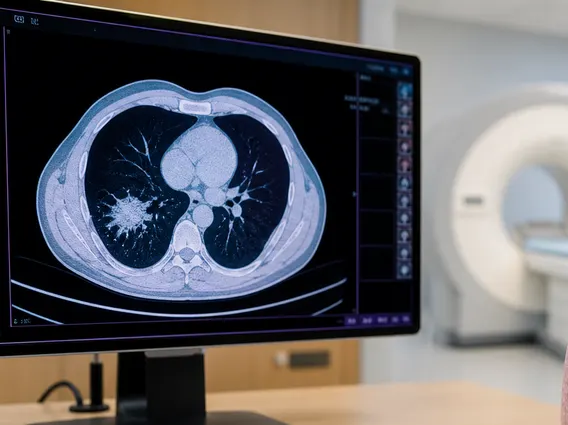
Recurrent Respiratory Papillomatosis (RRP) is a rare, non-cancerous disease characterized by the development of wart-like growths, called papillomas, within the respiratory tract. These papillomas are benign tumors that can grow anywhere from the nasal cavity to the trachea, bronchi, and even the lungs, but they most frequently affect the larynx (voice box). The term “recurrent” highlights its chronic nature, as papillomas often regrow after surgical removal, necessitating repeated interventions throughout a patient’s life.
RRP is primarily caused by infection with certain types of the Human Papillomavirus (HPV), most commonly HPV types 6 and 11. The disease can manifest in two main forms: juvenile-onset RRP (JORRP), which typically appears in children under the age of 12, and adult-onset RRP (AORRP), which develops in individuals aged 12 and older. JORRP is generally more aggressive and tends to recur more frequently than AORRP. The exact prevalence of RRP varies, but it is estimated to affect approximately 2 to 4 per 100,000 children and 1 to 2 per 100,000 adults in the United States, according to data from the RRP Foundation.
Recognizing RRP: Symptoms and Causes
Recognizing the signs of RRP is crucial for timely diagnosis and management. The specific Recurrent Respiratory Papillomatosis symptoms vary depending on the papillomas’ location, size, number, and the patient’s age. In children, the most common initial symptom is persistent hoarseness or a weak cry, which may progress to stridor (a high-pitched breathing sound) and difficulty breathing as the papillomas obstruct the airway. Other symptoms can include chronic cough, recurrent pneumonia, and feeding difficulties. In adults, hoarseness is also the most frequent symptom, often accompanied by changes in voice quality, difficulty swallowing (dysphagia), or a sensation of a foreign body in the throat.
The primary causes of recurrent respiratory papillomatosis are well-established, with the Human Papillomavirus (HPV) being the causative agent. Transmission of HPV, particularly types 6 and 11, is believed to occur most often during passage through an infected birth canal from a mother with genital warts to her infant, leading to juvenile-onset RRP. For adult-onset RRP, transmission is thought to involve sexual contact, including oral sex. While HPV infection is widespread, only a small fraction of infected individuals develop RRP, suggesting that other factors, such as immune response, genetic predisposition, or environmental triggers, may play a role in disease manifestation and severity.
Treatment Options for RRP
Managing RRP is challenging due to its recurrent nature, requiring ongoing medical care. The primary goal of Recurrent Respiratory Papillomatosis treatment is to maintain a patent airway, improve voice quality, and reduce surgical intervention frequency. The cornerstone of therapy is surgical removal of the papillomas, typically performed using microdebriders or lasers (e.g., CO2 laser) under microscopic guidance. These procedures aim to remove growths while preserving healthy tissue and minimizing vocal cord damage. However, surgery does not eradicate the underlying HPV infection, which explains the high recurrence rate.
To complement surgical removal and reduce recurrence, various adjuvant therapies may be employed. These therapies work through different mechanisms, such as antiviral effects or immune modulation. Common adjuvant treatments include:
- Antivirals: Cidofovir, an antiviral drug, can be injected directly into papillomas to inhibit viral replication.
- Angiogenesis inhibitors: Bevacizumab, a monoclonal antibody, targets blood vessel growth, which papillomas rely on for sustenance. It can be injected or administered systemically.
- Immunomodulators: Interferon-alpha, a protein that helps regulate the immune system, has been used to reduce papilloma growth, though its efficacy varies.
- Vaccination: While not a treatment for existing RRP, HPV vaccination (e.g., Gardasil 9) is highly effective in preventing new HPV infections, potentially reducing the incidence of RRP in future generations.
The choice of treatment strategy depends on factors such as disease severity, location of papillomas, patient age, and previous treatment responses. A multidisciplinary team approach, involving otolaryngologists, pulmonologists, and speech therapists, is often necessary to optimize outcomes for individuals living with RRP.