
Red Blood Cell
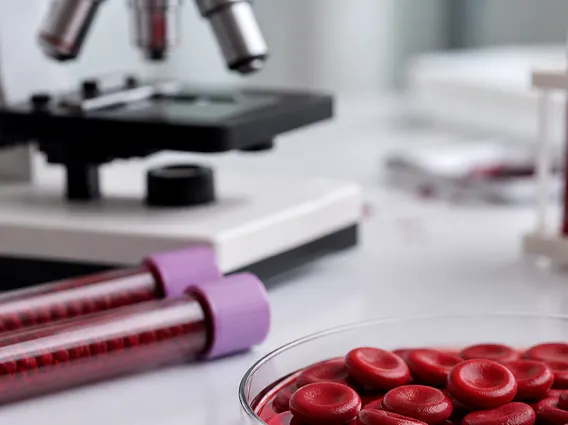
Red Blood Cells, also known as erythrocytes, are fundamental components of blood, playing a pivotal role in oxygen transport throughout the body. These specialized cells are essential for sustaining life, delivering vital oxygen from the lungs to every tissue and organ.
Key Takeaways
- Red Blood Cells (RBCs) are crucial for transporting oxygen from the lungs to the body’s tissues and carrying carbon dioxide back to the lungs.
- RBCs are produced in the bone marrow through a process called erythropoiesis, regulated by erythropoietin.
- The typical life cycle of red blood cells is about 100-120 days, after which they are removed by the spleen and liver.
- Maintaining healthy RBC levels is vital for overall health, as imbalances can lead to various medical conditions.
- Common red blood cell disorders include anemia (low RBC count) and polycythemia (high RBC count), each with distinct causes and health implications.
What is a Red Blood Cell (RBC) and Its Vital Functions?
A Red Blood Cell (RBC), or erythrocyte, is a biconcave, anucleated cell primarily responsible for oxygen transport in the bloodstream. Its unique shape provides a large surface area-to-volume ratio, facilitating efficient gas exchange. The defining characteristic of an RBC is its rich content of hemoglobin, an iron-containing protein that reversibly binds to oxygen.
The primary function of red blood cells is to deliver oxygen from the lungs to the body’s tissues and organs, which require oxygen for metabolic processes. Simultaneously, RBCs transport carbon dioxide, a waste product of metabolism, from the tissues back to the lungs for exhalation. This dual role is critical for maintaining cellular respiration and overall physiological balance.
How Red Blood Cells Are Produced and Their Life Cycle
The production of red blood cells, a process known as erythropoiesis, primarily occurs in the bone marrow, particularly in the long bones, ribs, and vertebrae. This intricate process begins with hematopoietic stem cells, which differentiate into erythroblasts and mature into reticulocytes before becoming fully functional RBCs. The hormone erythropoietin, produced mainly by the kidneys, plays a crucial role in stimulating RBC production in response to low oxygen levels in the blood.
The life cycle and importance of red blood cells are fundamental to their function. Once released into the bloodstream, a mature red blood cell typically circulates for approximately 100 to 120 days. During this period, it repeatedly navigates the circulatory system, delivering oxygen and collecting carbon dioxide. As RBCs age, their cell membranes become less flexible, and their enzymatic activity decreases. Senescent (aging) red blood cells are then recognized and removed from circulation by specialized macrophages, primarily in the spleen and liver, through a process called extravascular hemolysis. The iron from the hemoglobin is recycled, and the remaining components are broken down and excreted.
Common Red Blood Cell Disorders Explained
Various conditions can affect the production, function, or lifespan of red blood cells, leading to significant health issues. Common red blood cell disorders include anemia, polycythemia, and sickle cell disease. Anemia, characterized by a lower-than-normal number of red blood cells or a reduced amount of hemoglobin, results in decreased oxygen-carrying capacity. It can stem from various causes, such as iron deficiency, vitamin B12 deficiency, chronic diseases, or excessive blood loss. According to the World Health Organization (WHO), anemia affects 1.62 billion people globally, representing 24.8% of the population, with iron deficiency being the most common cause.
Conversely, polycythemia involves an abnormally high concentration of red blood cells, which can thicken the blood and increase the risk of blood clots, heart attack, and stroke. This can be primary (e.g., polycythemia vera, a bone marrow disorder) or secondary, often due to chronic hypoxia (e.g., from high altitude living or chronic lung disease). Other disorders, like sickle cell disease, are genetic conditions that cause RBCs to become rigid and C-shaped, leading to blockages in blood flow and chronic pain.
Understanding these disorders is crucial for diagnosis and management, as treatments range from nutritional supplements and medications to more complex interventions like blood transfusions or bone marrow transplants. Regular medical check-ups and monitoring of blood counts are essential for detecting and addressing red blood cell abnormalities early.



















