Radiology
Radiology is a specialized field of medicine that utilizes medical imaging techniques to diagnose and treat diseases and injuries within the human body. It plays a crucial role in modern healthcare by providing detailed insights into internal structures without invasive procedures.
Key Takeaways
- Radiology uses various imaging technologies to visualize the body’s internal structures for diagnosis and treatment.
- Common imaging techniques include X-rays, CT scans, MRI, and ultrasound, each offering unique diagnostic capabilities.
- Radiologists are medical doctors specializing in interpreting these images to identify abnormalities and guide patient care.
- Radiology procedures are generally non-invasive or minimally invasive, providing essential information for a wide range of medical conditions.
What is Radiology and Its Purpose?
Radiology is a medical discipline focused on creating images of the body’s internal structures to detect, diagnose, and treat various conditions. Its primary purpose is to provide clinicians with detailed visual information that aids in accurate diagnosis, disease monitoring, and guiding medical interventions. This field is essential for understanding the extent of injuries, identifying tumors, assessing organ function, and planning treatments across almost all medical specialties.
The field encompasses both diagnostic radiology, which focuses on obtaining and interpreting images, and interventional radiology, which uses imaging guidance to perform minimally invasive procedures. For the general public, understanding radiology means recognizing its role in uncovering hidden medical issues, from broken bones to complex internal diseases, often without the need for surgery. According to the World Health Organization (WHO), medical imaging, including radiology, is fundamental to effective healthcare delivery worldwide, contributing significantly to early diagnosis and improved patient outcomes.
Radiology Imaging Techniques and Procedures
Radiology employs a diverse array of imaging techniques, each designed to visualize different aspects of the body and provide specific diagnostic information. These techniques vary in how they generate images, their applications, and the types of conditions they can help diagnose. Understanding these different types of radiology imaging is key to appreciating the breadth of this medical specialty.
How do radiology procedures work? Generally, a patient undergoes a scan using specialized equipment, which generates images of the internal body. These images are then interpreted by a radiologist, a medical doctor trained to identify abnormalities and provide a diagnostic report. The specific procedure depends on the imaging modality used:
- X-rays: Utilize electromagnetic radiation to create images of bones and some soft tissues. They are commonly used for detecting fractures, pneumonia, and dental issues.
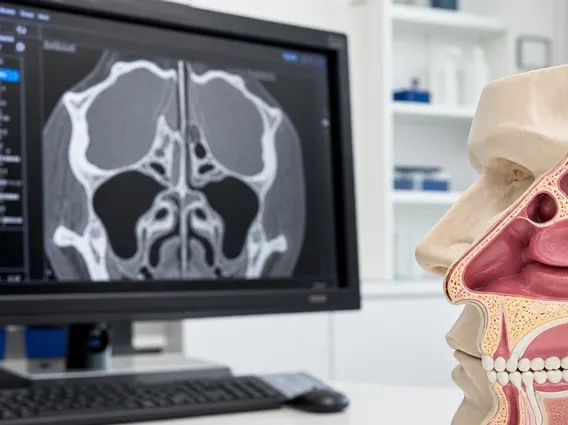
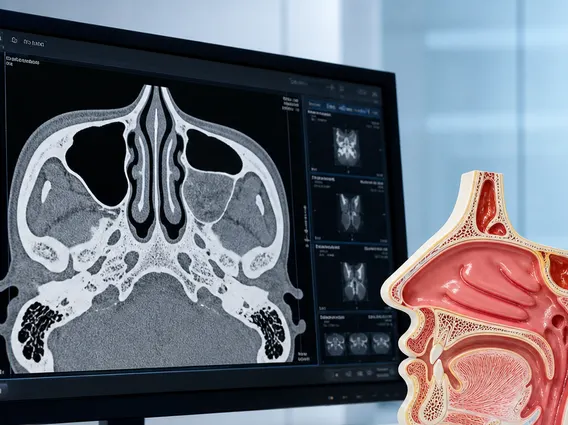
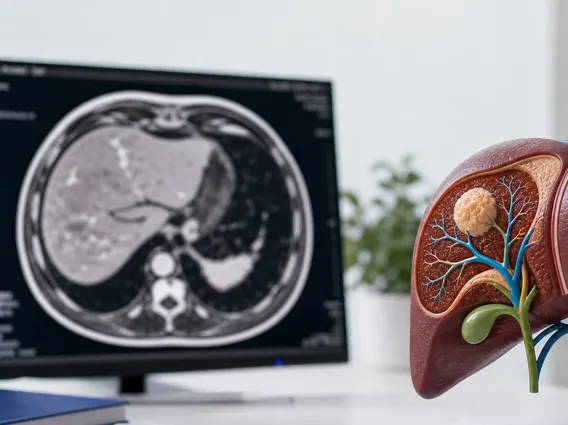
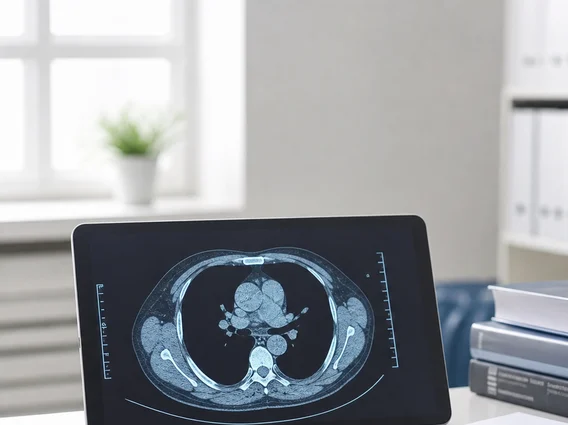
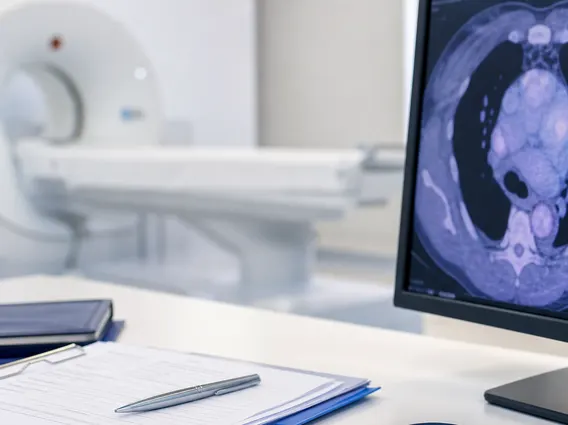
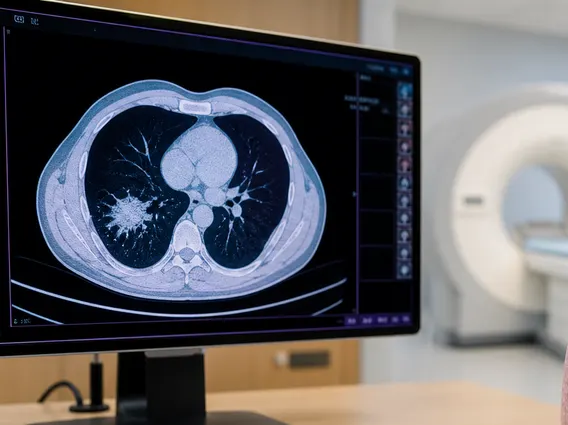
- Computed Tomography (CT) Scans: Combine a series of X-ray images taken from different angles to create detailed cross-sectional images of bones, blood vessels, and soft tissues. CT scans are excellent for diagnosing internal injuries, cancers, and vascular diseases.
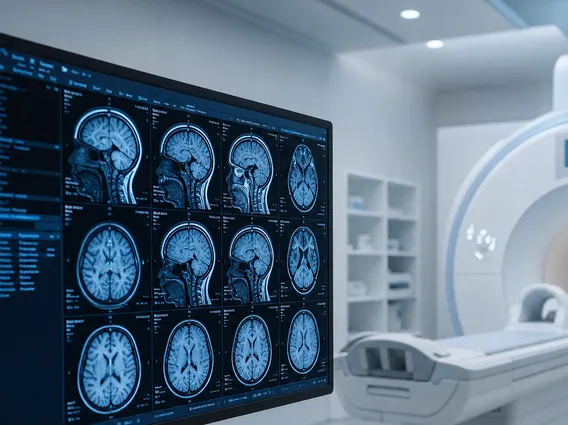
- Magnetic Resonance Imaging (MRI): Uses a powerful magnetic field and radio waves to produce detailed images of organs, soft tissues, bone, and virtually all other internal body structures. MRI is particularly useful for brain, spinal cord, joint, and soft tissue evaluations.
- Ultrasound: Employs high-frequency sound waves to create real-time images of internal organs and blood flow. It is often used for prenatal imaging, abdominal organ assessment, and guiding biopsies.
- Nuclear Medicine: Involves introducing a small amount of radioactive material into the body to visualize organ function and structure. Techniques like PET scans are used to detect cancer, heart disease, and brain disorders.
Each of these radiology procedures offers unique advantages, allowing healthcare providers to select the most appropriate method based on the patient’s symptoms and suspected condition. The goal is always to obtain the clearest and most informative images possible to guide effective medical care.