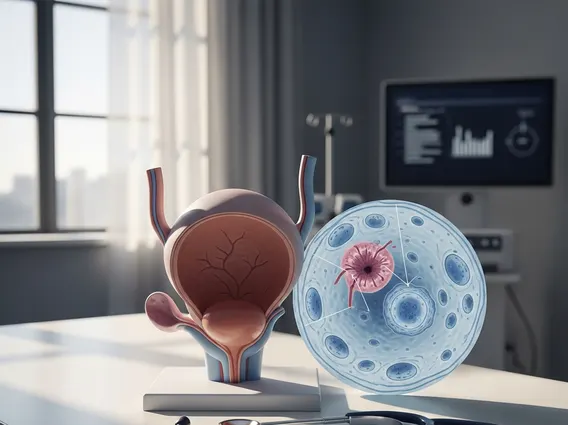
Metastasis cancer refers to the process by which cancer cells break away from a primary tumor and travel to other parts of the body, with the lymphatic system serving as one of the most common pathways for this spread. Understanding how lymph nodes interact with cancer is essential for early detection, accurate staging, and effective treatment planning.
Key Takeaways
- Cancer cells can enter the lymphatic system and travel to lymph nodes, where they may establish secondary tumors.
- Lymph node involvement is a critical factor in determining the stage and severity of many cancers.
- Common signs of lymph node metastasis include swollen, firm, or painless lumps near the site of the original tumor.
- The presence of cancer in lymph nodes directly influences treatment decisions, including surgery, radiation, and systemic therapies.
- Early identification of lymph node involvement significantly improves the ability to manage and treat metastatic cancer.
How Cancer Spreads Through the Lymph Nodes
The lymphatic system is a network of vessels, tissues, and organs that plays a central role in immune function and fluid balance throughout the body. Lymph nodes are small, bean-shaped structures scattered throughout this network that filter lymph fluid and trap harmful substances, including bacteria and abnormal cells. Because cancer cells can invade nearby lymphatic vessels, the lymphatic system can inadvertently become a highway for tumor spread.
When a primary tumor grows, some cells acquire the ability to detach and invade surrounding tissue. These cells can penetrate the walls of lymphatic vessels and travel with the flow of lymph fluid toward regional lymph nodes. Once inside a lymph node, cancer cells may be destroyed by immune cells, or they may survive, multiply, and form a secondary tumor within the node itself. This process is one of the earliest and most clinically significant forms of cancer dissemination.
The degree to which lymph nodes and cancer spread are connected depends largely on the type of cancer and its location. Breast cancer, for example, frequently spreads first to the axillary (underarm) lymph nodes, while colorectal cancer tends to involve nodes along the colon and rectum. According to the American Cancer Society, regional lymph node involvement is among the most important prognostic indicators across a wide range of cancer types. Once cancer cells establish themselves in lymph nodes, they can continue migrating to distant organs through the bloodstream, advancing metastasis further.
Metastasis Cancer Stages and Lymph Node Involvement
Cancer metastasis stages and lymph node involvement are evaluated together using standardized classification systems, most commonly the TNM system developed by the American Joint Committee on Cancer (AJCC). In this system, “T” describes the size and extent of the primary tumor, “N” indicates whether and how many regional lymph nodes contain cancer, and “M” identifies whether distant metastasis has occurred. Together, these factors determine the overall cancer stage, which ranges from Stage I (localized) to Stage IV (widely spread).
When cancer is confined to the primary site with no lymph node involvement, it is generally categorized as early stage and associated with more favorable outcomes. The presence of cancer in one or more nearby lymph nodes typically elevates the staging to at least Stage II or Stage III, signaling a higher risk of further spread. The exact staging criteria vary by cancer type, but in nearly all solid tumors, lymph node status is a decisive factor in prognosis and treatment selection.
Sentinel lymph node biopsy is a widely used surgical technique to assess early lymph node involvement. During this procedure, the first lymph node or group of nodes that drains from the primary tumor site — called the sentinel node — is identified, removed, and examined under a microscope. If cancer cells are absent from the sentinel node, it is generally assumed that cancer has not spread to the broader lymph node network. This approach helps clinicians minimize unnecessary lymph node removal while still obtaining critical staging information, particularly in breast cancer and melanoma cases.
| TNM “N” Classification | Meaning | Clinical Implication |
|---|---|---|
| N0 | No regional lymph node involvement | Favorable prognosis; localized treatment often sufficient |
| N1 | Cancer in 1–3 nearby lymph nodes | Moderate risk; adjuvant therapy typically recommended |
| N2 | Cancer in 4 or more regional nodes | Higher risk of distant spread; aggressive treatment considered |
| N3 | Extensive regional lymph node involvement | Advanced local disease; systemic therapy essential |
Symptoms and Signs of Lymph Node Metastasis
Lymph node metastasis symptoms and signs can be subtle in early stages and may go unnoticed without imaging or physical examination. The most recognizable physical sign is the enlargement of one or more lymph nodes, which may feel like a firm, rubbery lump beneath the skin. Unlike swollen lymph nodes caused by infection — which are typically tender and respond to antibiotics — nodes affected by cancer are often painless and do not decrease in size over time.
The location of swollen lymph nodes often provides a clue to the origin of the primary tumor. Enlarged nodes in the neck may suggest cancers of the head, throat, or thyroid, while swelling in the groin region can indicate cancers of the lower extremities, pelvis, or reproductive organs. Enlarged nodes in the armpit region are frequently associated with breast cancer. In some cases, lymph node enlargement may occur in areas not directly visible or palpable, such as the mediastinum (the region between the lungs) or the abdominal cavity, making imaging studies essential.
Beyond swelling, individuals may experience a range of systemic symptoms when cancer has spread to lymph nodes, including:
- Unexplained and persistent fatigue
- Unintentional weight loss over a short period
- Night sweats not related to infection or menopause
- Persistent low-grade fever without an identifiable cause
- A feeling of pressure, heaviness, or discomfort near enlarged nodes
These symptoms are not exclusive to lymph node involvement and may result from a variety of conditions. However, when they occur alongside a known cancer diagnosis or alongside a palpable lump, they warrant prompt medical evaluation. Early detection of lymph node involvement through imaging techniques such as CT scans, PET scans, or MRI significantly improves the accuracy of staging and treatment planning.
What Metastasis Cancer in Lymph Nodes Means for Treatment
The discovery of cancer in the lymph nodes shifts the clinical focus from purely local control to a broader, systemic approach. Treatment decisions become more complex and typically require a multidisciplinary team including oncologists, surgeons, radiation specialists, and pathologists. The goals of treatment may include eradicating existing cancer cells in the lymph nodes, reducing the risk of further spread, and preserving as much normal tissue and function as possible.
Surgery remains a common component of treatment when lymph node involvement is identified. Depending on the extent of spread, surgeons may perform a lymph node dissection — the removal of a group of regional nodes — to reduce tumor burden and prevent further dissemination. Radiation therapy is often directed at involved lymph node regions following surgery to eliminate any remaining microscopic disease. In cases where the cancer has spread to multiple lymph node stations, systemic therapies such as chemotherapy, targeted therapy, immunotherapy, or hormone therapy are typically incorporated into the treatment plan.
The prognosis for patients with lymph node involvement varies considerably depending on factors such as the type of cancer, the number of nodes affected, the patient’s overall health, and the availability of effective targeted treatments. Some cancers with limited lymph node involvement remain highly treatable and even curable with modern therapies. According to the National Cancer Institute, advances in immunotherapy and targeted molecular therapies have meaningfully improved survival outcomes for certain metastatic cancers over the past two decades. Early and accurate identification of lymph node status therefore remains one of the most impactful steps in guiding a patient toward the most appropriate and effective care.
Frequently Asked Questions
Can cancer in the lymph nodes be cured?
Whether cancer in the lymph nodes is curable depends on the type of cancer, the number of nodes involved, and whether distant metastasis has occurred. Some cancers with limited lymph node spread, such as early-stage breast cancer or certain lymphomas, respond very well to treatment and can be managed effectively or even cured. However, extensive lymph node involvement alongside distant metastasis typically indicates a more advanced disease that may be treated but not cured in the traditional sense.
Are all enlarged lymph nodes a sign of cancer?
No. Enlarged lymph nodes are most commonly caused by infections such as the common cold, influenza, or bacterial illness. In these cases, swelling is usually temporary, tender, and resolves with treatment of the underlying infection. Lymph node enlargement that persists for more than two to four weeks, is painless, feels hard or rubbery, or occurs alongside unexplained weight loss or fever should be evaluated by a healthcare provider to rule out cancer or other serious conditions.
Does cancer always spread to lymph nodes before reaching distant organs?
Not always. While lymph node involvement often precedes distant metastasis, some cancers can bypass regional lymph nodes and spread directly through the bloodstream to distant organs such as the lungs, liver, or bones. This pattern, sometimes called hematogenous spread, varies by cancer type. Certain aggressive cancers may present with distant metastasis even when lymph nodes appear uninvolved. This is why comprehensive staging evaluations — including imaging and biopsy — are essential even when nodes seem unaffected.