Lanolin
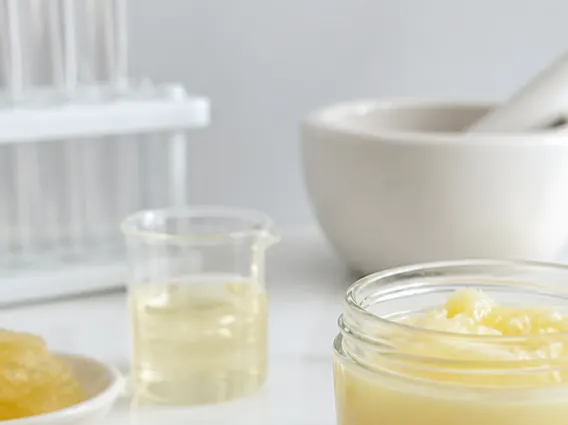
Lanolin is a natural wax secreted by wool-bearing animals, primarily sheep. Renowned for its emollient and moisturizing properties, it has been utilized for centuries in various applications, particularly in personal care and medical products.
Key Takeaways
- Lanolin is a natural wax derived from sheep’s wool, known for its deep moisturizing capabilities.
- It acts as an occlusive and emollient, preventing water loss and softening the skin.
- Widely used in cosmetics, skincare, and pharmaceutical products for its hydrating benefits.
- Its composition is similar to human skin lipids, making it highly compatible and effective.
- While generally safe, individuals with severe wool allergies should exercise caution.
What is Lanolin and Where Does It Come From?
Lanolin refers to a complex mixture of esters, fatty acids, and alcohols, naturally secreted by the sebaceous glands of wool-bearing animals, predominantly domestic sheep. It is a waxy substance that coats the wool fibers, providing a protective, waterproofing layer that helps shield the animal from environmental elements. This unique composition allows it to hold up to twice its weight in water, making it an exceptional natural moisturizer.
The process of obtaining Lanolin involves washing shorn sheep’s wool. During this scouring process, the raw wool is cleaned, and the greasy substance, which is crude Lanolin, is separated from the wool fibers. This crude material then undergoes a series of purification steps, including centrifugation, filtration, and deodorization, to remove impurities and refine it into the pharmaceutical or cosmetic grade Lanolin commonly found in products. This purification ensures it is safe and suitable for human use, directly addressing where does lanolin come from. The primary source remains sheep’s wool, making it a renewable and sustainable byproduct of the wool industry.
Lanolin Uses, Skin Benefits, and Cosmetic Applications
Lanolin is highly valued for its versatile applications, primarily in the pharmaceutical and cosmetic industries, addressing what is lanolin used for. Its unique molecular structure allows it to form a semi-occlusive barrier on the skin, which helps to reduce transepidermal water loss (TEWL) without completely blocking pores. This makes it an excellent emollient, softening and smoothing the skin, and a humectant, drawing moisture from the air into the skin. Its ability to mimic the natural lipids found in human skin contributes to its efficacy in restoring the skin’s natural barrier function.
The lanolin benefits for skin are extensive, making it a popular ingredient in products designed for dry, chapped, or irritated skin. It is particularly effective in treating conditions characterized by extreme dryness, such as eczema and psoriasis, by providing intense hydration and promoting a healthier skin barrier. Its robust moisturizing and protective qualities make it ideal for:
- Soothing severely chapped lips and cracked heels.
- Protecting skin from harsh environmental factors like wind and cold.
- Relieving nipple soreness and dryness for breastfeeding mothers.
- Hydrating and softening rough, dry patches on areas such as elbows and knees.
- Supporting the healing of minor skin abrasions by maintaining a moist environment.
In the realm of cosmetics, lanolin in cosmetics explained refers to its widespread inclusion in a variety of formulations due to its exceptional emollient and emulsifying properties. It acts as a natural binder, helping to combine oil and water components in creams and lotions, resulting in stable, rich, and luxurious textures. Its ability to penetrate the skin’s surface and deliver lasting hydration makes it a staple in many personal care products. Common cosmetic products containing Lanolin include: moisturizers, body lotions, lip balms, hand creams, hair conditioners, and baby care products. Its compatibility with human skin lipids further enhances its appeal, ensuring effective delivery of moisture and supporting overall skin health.