Lamina Propria
The lamina propria is a crucial component of mucous membranes, found throughout the body’s internal surfaces. This layer plays a vital role in both structural support and immune defense, adapting its specific characteristics to the demands of its location.
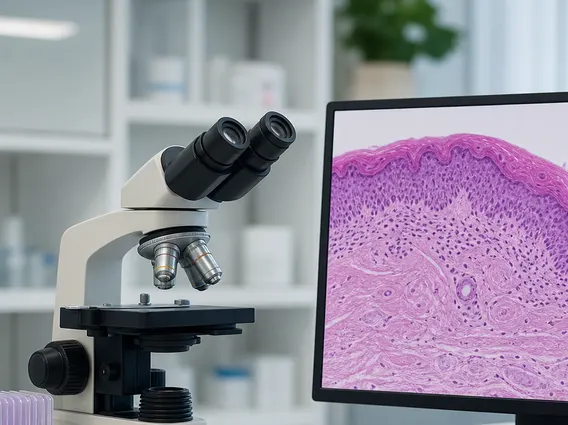
Key Takeaways
- The lamina propria is a layer of loose connective tissue beneath the epithelium of mucous membranes.
- It provides structural support, anchoring the epithelial lining to underlying tissues.
- Rich in immune cells, it serves as a primary site for defense against pathogens.
- It contains blood vessels, lymphatic vessels, and nerves, facilitating nutrient exchange and sensory functions.
- Its composition varies slightly depending on the specific organ system, reflecting diverse functional needs.
What is Lamina Propria?
Lamina Propria refers to a layer of loose connective tissue that lies directly beneath the epithelium of mucous membranes. This essential component is found in various organ systems, including the gastrointestinal tract, respiratory tract, and genitourinary tract, where it forms a critical interface between the external environment and the body’s internal milieu. From a lamina propria definition anatomy perspective, it is a distinct layer that provides structural integrity and plays a pivotal role in the physiological functions of these surfaces. It acts as a supporting framework for the epithelial cells, supplying them with nutrients and facilitating waste removal.
Lamina Propria: Structure, Tissue Type, and Functions
The lamina propria tissue type is primarily loose (areolar) connective tissue. This composition allows for flexibility and the presence of numerous cell types and extracellular components. Its structure is highly adapted to its diverse roles, providing both support and active defense.
Key structural components include:
- Fibroblasts: Cells responsible for producing the extracellular matrix, including collagen and elastic fibers.
- Immune Cells: A dense population of various immune cells, such as lymphocytes (T cells, B cells), plasma cells, macrophages, mast cells, and eosinophils, which are crucial for immune surveillance and response.
- Blood Vessels: Capillaries that supply oxygen and nutrients to the overlying epithelium and remove waste products.
- Lymphatic Vessels: Essential for immune cell trafficking and fluid balance.
- Nerve Endings: Provide sensory innervation and regulate local functions.
- Glands: In some locations, the lamina propria houses glands that secrete mucus or other substances.
The lamina propria function and structure are intrinsically linked. Its primary functions include structural support, immune defense, nutrient and waste exchange, glandular secretion, and sensory perception. It anchors the epithelium to underlying muscle layers and provides a flexible base. Due to its rich immune cell content, it acts as a first line of defense against pathogens entering through mucosal surfaces, with this constant surveillance being critical for maintaining health. The extensive network of blood and lymphatic vessels ensures efficient transport of nutrients to the epithelium and removal of metabolic waste. Where glands are present, the lamina propria supports their secretory activity, contributing to lubrication and protection of the mucosal surface. Nerve endings within the lamina propria contribute to sensations such as touch, pain, and temperature, particularly in areas like the oral cavity.
The specific characteristics of the lamina propria can vary significantly depending on its location. For instance, in the small intestine, it is highly vascularized and contains lacteals (lymphatic capillaries) vital for fat absorption, playing a crucial role in nutrient uptake. In contrast, within the respiratory tract, the lamina propria might contain more mucous glands to aid in trapping airborne particles and cilia to help clear them, illustrating its adaptive nature to local environmental challenges.