Discharge
In a medical context, Discharge refers to any fluid or semi-fluid material that exits the body, either naturally or due to a medical condition. Understanding the characteristics and significance of various bodily discharges is crucial for maintaining health and identifying potential issues.

Key Takeaways
- Discharge is any fluid or semi-fluid material exiting the body, varying in normalcy and medical significance.
- Normal bodily discharges serve protective or physiological functions, while unusual discharges often signal underlying health issues.
- Different types of bodily discharge include vaginal, nasal, ear, and wound exudates, each with specific characteristics.
- Unusual discharge can be caused by infections, inflammation, allergies, or injuries, among other factors.
- Seek medical attention for discharge that is unusual in color, odor, consistency, or accompanied by pain, fever, or itching.
What is Discharge in a Medical Context?
Discharge, in medical terminology, is the emission of fluid or semi-fluid substances from a body part. These substances can originate from various glands, mucous membranes, or tissues and serve a range of physiological functions, such as lubrication, protection, or waste removal. While some forms of discharge are entirely normal and indicative of healthy bodily processes, others can be symptoms of underlying medical conditions, including infections, inflammation, or injury. The nature of the discharge—its color, consistency, odor, and volume—provides vital clues to healthcare professionals for diagnosis.
Understanding the medical implications of discharge is fundamental to recognizing when a bodily emission is benign versus when it warrants medical evaluation. For instance, clear nasal discharge might be a normal response to cold air, whereas thick, discolored nasal discharge could indicate an infection. Similarly, certain vaginal discharges are part of a healthy reproductive system, while others signal infections like yeast infections or sexually transmitted infections (STIs).
Types and Causes of Bodily Discharge
The human body produces various types of bodily discharge, each originating from different systems and serving distinct purposes. These can range from common and typically harmless secretions to those that signal a need for medical attention. Recognizing the normal variations is key to identifying when a discharge becomes unusual.
- Vaginal Discharge: A normal and healthy part of the female reproductive system, varying in consistency and amount throughout the menstrual cycle. It helps keep the vagina clean and prevents infection.
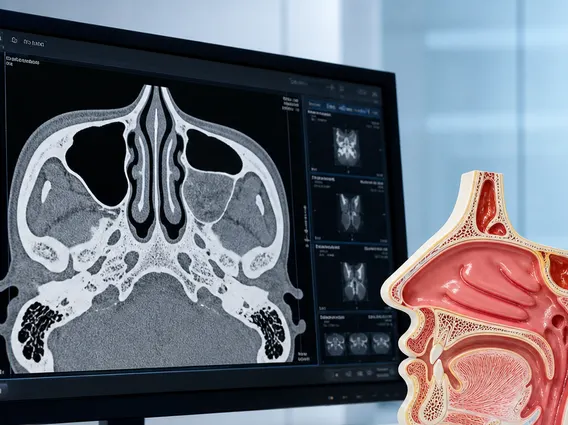
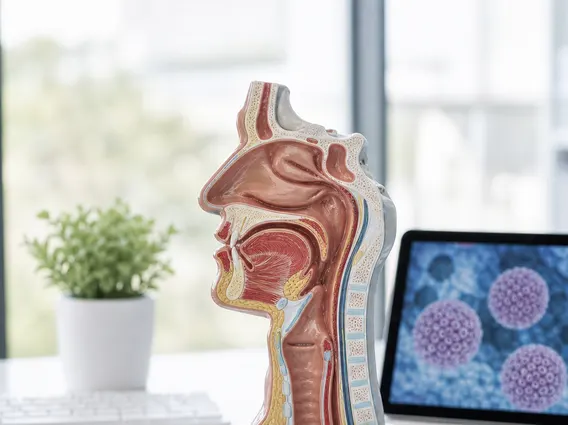
- Nasal Discharge (Mucus): Produced by the lining of the nasal passages to trap dust, allergens, and pathogens, keeping them from reaching the lungs. Its consistency and color can change with allergies or infections.
- Ear Discharge (Cerumen/Wax): Naturally produced to protect the ear canal from dust, foreign particles, and microorganisms. Other types of ear discharge, such as fluid or pus, are typically abnormal.
- Eye Discharge: Often a mix of mucus, oil, skin cells, and tears, which can accumulate during sleep. Excessive or colored discharge can indicate infection or irritation.
- Wound Exudate: Fluid that seeps from a wound, playing a role in the healing process by keeping the wound moist and delivering immune cells. Its characteristics can indicate the stage of healing or presence of infection.
When discharge deviates from its typical appearance, it is often due to specific causes of unusual discharge. These causes can include bacterial, viral, or fungal infections, allergic reactions, inflammatory conditions, or even foreign bodies. For example, a change in vaginal discharge to a thick, white, cottage cheese-like consistency with itching might indicate a yeast infection, while a greenish or yellowish discharge with a foul odor could suggest a bacterial infection. Nasal discharge that becomes thick, green, or yellow, especially when accompanied by sinus pressure, often points to a bacterial sinus infection. Similarly, pus-like discharge from a wound is a clear sign of infection requiring medical intervention.
When to Seek Medical Attention for Discharge
While many forms of bodily discharge are normal, certain characteristics or accompanying symptoms indicate when to see doctor for discharge. It is important to pay attention to changes in the usual pattern or appearance of any discharge, as these can be early warning signs of a health issue that requires professional evaluation.
You should seek medical attention if you experience discharge with any of the following characteristics:
- Significant Change in Color: Such as green, yellow, grey, or blood-tinged discharge (unless related to menstruation).
- Foul or Unusual Odor: A strong, unpleasant smell that is not typical.
- Altered Consistency: Discharge that becomes unusually thick, frothy, or watery.
- Increased Volume: A sudden and unexplained increase in the amount of discharge.
- Associated Symptoms: Including itching, burning, pain, redness, swelling, fever, abdominal pain, or painful urination.
- Persistent Discharge: Any unusual discharge that does not resolve on its own within a few days.
Prompt medical evaluation can help identify the underlying cause of unusual discharge, leading to appropriate treatment and preventing potential complications. Self-diagnosis and treatment are not recommended, as different causes of discharge require specific medical approaches.