Diffuse Intrinsic Pontine Glioma
Diffuse Intrinsic Pontine Glioma (DIPG) is a highly aggressive and challenging brain tumor that primarily affects children. This rare and devastating condition originates in the pons, a critical part of the brainstem responsible for vital bodily functions.

Key Takeaways
- Diffuse Intrinsic Pontine Glioma (DIPG) is an aggressive, infiltrative brain tumor predominantly found in children.
- It occurs in the pons, a vital brainstem region, making surgical removal impossible due to its diffuse nature.
- Symptoms often include rapid onset of neurological deficits like difficulty with eye movement, facial weakness, and balance issues.
- Diagnosis is typically made through MRI, combined with clinical presentation.
- Current standard treatment, radiation therapy, offers temporary relief but is not curative, leading to a very poor prognosis.
What is Diffuse Intrinsic Pontine Glioma (DIPG)?
Diffuse Intrinsic Pontine Glioma (DIPG) is a rare and highly aggressive type of brain tumor that arises in the pons, a central part of the brainstem. The term “diffuse” indicates that the tumor cells are spread throughout the healthy tissue of the pons, rather than forming a distinct mass. “Intrinsic” means it originates within the pons itself, making it impossible to surgically remove without causing severe neurological damage. DIPG predominantly affects children, typically between the ages of 5 and 9, accounting for approximately 10-20% of all pediatric brain tumors. According to leading health organizations, there are roughly 200-300 new cases diagnosed in the United States each year, highlighting its rarity but also its significant impact on affected families.
The pons plays a crucial role in controlling breathing, heart rate, sleep, and coordinating movement and sensation. The tumor’s location and infiltrative growth pattern severely disrupt these vital functions, leading to rapidly progressive symptoms. Unlike other brain tumors, DIPG cells are intertwined with healthy brain tissue, which is why conventional surgical resection is not a viable treatment option. This unique biological and anatomical challenge makes DIPG one of the most difficult cancers to treat effectively.
Symptoms and Diagnosis of DIPG
The presentation of Diffuse Intrinsic Pontine Glioma symptoms is often rapid and progressive, reflecting the tumor’s aggressive nature and its critical location in the brainstem. These symptoms typically worsen quickly over weeks to months as the tumor grows and interferes with neurological pathways. Common signs and symptoms include:
- Difficulty with eye movement: Children may experience double vision (diplopia), inability to move their eyes past the midline, or drooping eyelids.
- Facial weakness or asymmetry: One side of the face may appear droopy or weak, affecting expression and speech.
- Swallowing difficulties (dysphagia): Problems with eating and drinking, leading to choking or aspiration.
- Speech problems (dysarthria): Slurred or unclear speech due to muscle weakness affecting articulation.
- Weakness in limbs: Progressive weakness in the arms and/or legs, often affecting one side of the body more than the other (hemiparesis) or all four limbs (quadriparesis).
- Balance issues and unsteady gait: Children may struggle with coordination, frequently stumble, or have difficulty walking.
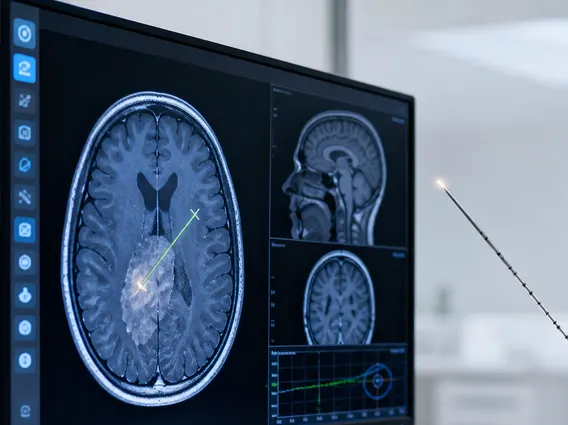
Diagnosis of DIPG is primarily achieved through magnetic resonance imaging (MRI) of the brain. The MRI typically reveals a characteristic mass within the pons that is diffuse and infiltrative. Due to the high risks associated with biopsying a tumor in such a sensitive area, a biopsy is often not performed. Instead, a definitive diagnosis is usually made based on the classic clinical presentation combined with the distinctive findings on MRI scans. Further specialized imaging sequences can help differentiate DIPG from other brainstem lesions.
DIPG Treatment Options and Prognosis
Current DIPG treatment options are unfortunately limited and primarily palliative, focusing on managing symptoms and improving quality of life rather than achieving a cure. The standard of care involves radiation therapy, which is the most effective treatment for temporarily shrinking the tumor and alleviating symptoms. Radiation therapy can provide a period of symptom improvement, often lasting several months, by reducing tumor size and pressure on surrounding brain structures. However, this effect is temporary, and the tumor invariably regrows.
Chemotherapy has generally shown limited effectiveness against DIPG. This is largely due to the blood-brain barrier, which restricts the entry of many drugs into the brain, and the unique biological characteristics of DIPG cells. Despite numerous clinical trials exploring various chemotherapy agents, none have significantly improved overall survival rates. Consequently, research efforts are heavily focused on developing novel therapies, including targeted therapies that aim to block specific molecular pathways driving tumor growth, immunotherapy approaches, and new methods for drug delivery directly to the tumor site. These experimental treatments are available through clinical trials, offering hope for future breakthroughs.
The DIPG prognosis and life expectancy are extremely poor, making it one of the most devastating pediatric cancers. The median survival time for children diagnosed with DIPG is typically between 9 and 11 months. Tragically, less than 10% of children survive for two years post-diagnosis, and long-term survival is exceedingly rare. This grim outlook underscores the urgent and critical need for continued research and funding to discover more effective treatments and ultimately find a cure for this challenging disease. Supportive care, including pain management, physical therapy, and nutritional support, is crucial throughout the disease course to help children maintain the best possible quality of life.