Diffuse
In the medical field, the term Diffuse describes a condition, lesion, or process that is spread out or widely distributed within an organ, tissue, or body region, rather than being localized to a specific, well-defined area. This characteristic is crucial for diagnosis, prognosis, and treatment planning across various medical specialties.

Key Takeaways
- Diffuse in medicine refers to a widespread, non-localized distribution of a condition or lesion.
- Understanding a diffuse pattern is vital for accurate diagnosis and effective treatment strategies.
- Biological diffusion processes are fundamental for cellular function and substance transport.
- Medical imaging techniques utilize principles of light diffusion to visualize and characterize diffuse tissue changes.
- The distinction between diffuse and localized conditions significantly impacts clinical management.
What is Diffuse in Medical Context?
The term Diffuse, when used clinically, refers to a pathological process or anatomical change that lacks clear boundaries and extends over a broad area. A diffuse definition in medicine typically implies that the affected region is not sharply demarcated, making it challenging to pinpoint a single origin or focal point. This contrasts with “focal” or “localized” conditions, which are confined to a specific, discrete area with defined margins.
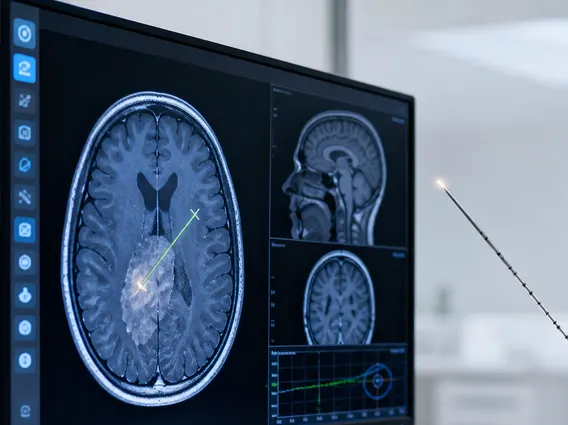
For instance, a diffuse disease might affect an entire organ, such as diffuse interstitial lung disease, where inflammation and fibrosis are spread throughout the lung tissue, leading to widespread impairment. Similarly, diffuse large B-cell lymphoma (DLBCL) is characterized by the widespread proliferation of malignant B-cells throughout lymph nodes and potentially other organs, rather than forming a single, isolated tumor mass. Recognizing a diffuse pattern is paramount for clinicians, as it often dictates the diagnostic approach, the choice of biopsies, and the extent of treatment required, which may involve systemic therapies.
Medical Applications of Diffuse and Types of Biological Diffusion
The concept of Diffuse extends beyond describing disease patterns to fundamental biological processes essential for life. In cellular biology, types of diffusion are critical mechanisms for the passive transport of substances across cell membranes and within biological fluids, relying on concentration gradients without cellular energy expenditure.
Key biological diffusion types include:
- Simple Diffusion: Direct movement of small, lipid-soluble molecules (e.g., oxygen, carbon dioxide) across the cell membrane from higher to lower concentration.
- Facilitated Diffusion: Movement of larger or charged molecules (e.g., glucose, ions) across a cell membrane with the help of specific protein channels or carriers, still following a concentration gradient.
- Osmosis: Movement of water molecules across a selectively permeable membrane from higher water concentration to lower water concentration, crucial for maintaining cell volume and fluid balance.
These biological diffusion processes are indispensable for numerous physiological functions, including nutrient uptake, waste removal, and gas exchange in the lungs. Disruptions can lead to various medical conditions, such as edema or respiratory issues, highlighting their clinical significance.
Furthermore, the principle of diffusion is applied in advanced medical diagnostics. A diffuse light explanation in a medical context refers to how light scatters and propagates through biological tissues, influenced by tissue composition. This phenomenon is harnessed in techniques like Diffuse Optical Tomography (DOT) and Optical Coherence Tomography (OCT), which utilize the scattering properties of near-infrared light to create images of internal structures and detect subtle, diffuse changes in tissue composition, such as those caused by early-stage tumors or inflammation. For example, DOT can non-invasively monitor brain activity or detect breast cancer by analyzing how light diffuses through the tissue, providing insights into oxygenation and blood volume changes. According to the National Institutes of Health (NIH), these optical methods offer promising avenues for non-invasive disease detection and monitoring, particularly for conditions with diffuse characteristics.
Understanding the diffuse nature of a condition, whether it’s a widespread pathological process or a fundamental physiological transport mechanism, is therefore fundamental to comprehensive medical practice. It informs diagnostic imaging strategies, guides therapeutic interventions, and underpins our foundational understanding of cellular and tissue function, ultimately contributing to improved patient outcomes.