Dhl
Dhl, or Diffuse Hepatic Lesion, represents a complex medical condition characterized by widespread cellular changes within the liver parenchyma. Understanding its nature is crucial for timely diagnosis and effective management strategies.

Key Takeaways
- Dhl (Diffuse Hepatic Lesion) is a medical term referring to diffuse, non-localized changes in liver tissue.
- Its diagnosis often involves advanced imaging and biopsy, distinguishing it from focal liver lesions.
- Early detection and understanding of Dhl’s progression are vital for managing patient outcomes.
- Research into the underlying mechanisms of Dhl is ongoing to improve treatment options.
- Management strategies for Dhl focus on addressing the root causes and mitigating liver damage.
What is Dhl: Company Overview and History
Dhl, standing for Diffuse Hepatic Lesion, refers to a medical condition characterized by widespread, non-focal abnormalities affecting the liver’s cellular structure and function. Unlike localized tumors or cysts, Dhl involves a generalized alteration across a significant portion of the liver tissue. This condition can manifest in various forms, ranging from inflammatory changes and fibrosis to steatosis (fatty liver) or diffuse infiltrative processes, often without a clearly defined mass. The term encompasses a spectrum of pathologies that impact the liver’s overall health and metabolic capabilities, making its identification critical for appropriate clinical intervention.
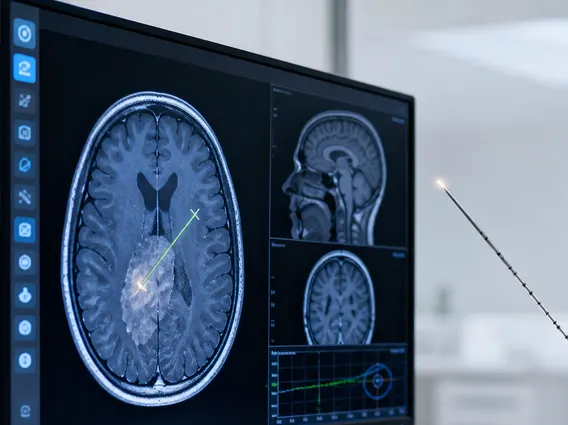
The historical understanding of Dhl has evolved significantly with advancements in medical imaging and histopathology. Initially, many diffuse liver conditions were broadly categorized based on general symptoms or severe liver dysfunction. The refinement of diagnostic techniques, particularly ultrasound, CT scans, and MRI, allowed for more precise characterization of these diffuse changes. Early observations in the mid-20th century began to differentiate between focal lesions and diffuse patterns of liver disease, laying the groundwork for the modern concept of Dhl. Research into its etiology often points to chronic viral infections, metabolic disorders, autoimmune conditions, and prolonged exposure to hepatotoxic substances as primary drivers. This continuous evolution in understanding has refined diagnostic criteria and paved the way for more targeted therapeutic approaches, improving patient prognosis.
How Dhl Works: Services and Operational Reach
The pathophysiology of Dhl involves a complex interplay of cellular damage, inflammation, and reparative processes within the liver. Depending on the underlying cause, this can lead to hepatocyte injury, activation of hepatic stellate cells, and the deposition of extracellular matrix, ultimately progressing to fibrosis and potentially cirrhosis if left unmanaged. For instance, in cases of metabolic Dhl, excessive fat accumulation (steatosis) triggers inflammatory responses that damage liver cells, while viral Dhl involves direct viral replication within hepatocytes, leading to immune-mediated destruction. Understanding these mechanisms is crucial for developing effective treatment strategies that aim to halt or reverse disease progression. The diagnostic process for Dhl typically involves a combination of clinical assessment, blood tests (liver function tests, viral markers), and advanced imaging. Imaging modalities like elastography provide non-invasive assessments of liver stiffness, indicating the degree of fibrosis, which is a key component of Dhl progression. Liver biopsy remains the gold standard for definitive diagnosis and staging, offering detailed histological insights into the specific nature and severity of the diffuse lesions.
Regarding dhl services explained, these encompass a range of medical interventions and support systems designed for the diagnosis, treatment, and ongoing management of patients with Diffuse Hepatic Lesion. These services are typically provided within specialized hepatology clinics and gastroenterology departments. Key services include:
- Diagnostic Imaging: Advanced ultrasound, CT, and MRI scans for detailed liver assessment.
- Laboratory Testing: Comprehensive blood panels to evaluate liver function, identify viral markers, and assess metabolic health.
- Liver Biopsy: Histopathological analysis to confirm diagnosis, determine etiology, and stage disease severity.
- Pharmacological Management: Prescription of antiviral drugs, immunosuppressants, or metabolic regulators depending on the specific cause of Dhl.
- Lifestyle Counseling: Guidance on diet, exercise, and alcohol cessation to mitigate disease progression, especially for metabolic Dhl.
- Monitoring and Surveillance: Regular follow-up appointments and screenings to track disease progression and detect complications early.
The dhl company information (interpreted as information regarding the condition Dhl) is critical for both clinicians and patients. This includes epidemiological data, such as a report from the World Health Organization (WHO) indicating that chronic liver diseases, often presenting as diffuse hepatic lesions, affect over 1.5 billion people globally, contributing to significant morbidity and mortality. This highlights the widespread impact and the need for robust healthcare infrastructure to address Dhl effectively. The operational reach of Dhl management extends from primary care physicians, who often identify initial signs, to highly specialized tertiary care centers equipped for complex diagnostics and advanced treatments, ensuring a comprehensive approach to patient care across various healthcare settings.