
Circadian Rhythm
The Circadian Rhythm is a fundamental biological process that governs various physiological and behavioral changes over roughly a 24-hour cycle. Understanding and maintaining a healthy rhythm is crucial for overall well-being and optimal bodily function.
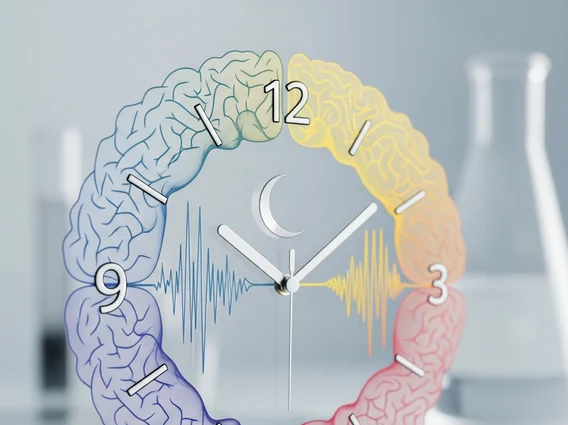
Key Takeaways
- Circadian Rhythm is an internal, 24-hour biological clock regulating sleep, hormone release, and metabolism.
- The circadian rhythm sleep-wake cycle explanation highlights its role in dictating periods of alertness and rest.
- Light, particularly blue light, is the primary external cue influencing the rhythm, with a significant impact of light on circadian rhythm.
- Disruptions can lead to health issues, emphasizing the importance of natural strategies to improve circadian rhythm naturally.
- Consistent routines, proper light exposure, and a healthy lifestyle are key to optimizing this internal clock.
What is Circadian Rhythm: Definition and Core Functions
Circadian Rhythm refers to the natural, internal process that regulates the sleep-wake cycle and repeats roughly every 24 hours. This sophisticated biological clock, present in most living organisms, orchestrates a wide array of physiological and behavioral changes, extending far beyond just sleep. The master clock in humans is a tiny region of the brain called the suprachiasmatic nucleus (SCN), located in the hypothalamus, which responds primarily to light and darkness.
The comprehensive circadian rhythm and its function encompass vital roles in maintaining health. Beyond regulating when we feel sleepy or awake, it influences hormone release, such as melatonin (which promotes sleep) and cortisol (which promotes alertness). It also plays a critical role in metabolism, body temperature regulation, cell regeneration, and even immune system activity. Disruptions to this rhythm can have significant health consequences, including increased risk of metabolic disorders, cardiovascular issues, and mood disturbances. According to the Centers for Disease Control and Prevention (CDC), insufficient sleep, often linked to circadian disruption, is a public health problem, with more than a third of U.S. adults reporting not getting enough sleep on a regular basis.
The Circadian Sleep-Wake Cycle and Light’s Influence
The most prominent manifestation of the circadian rhythm is the circadian rhythm sleep-wake cycle explanation. This cycle dictates when we are most alert and when our bodies are primed for rest. During the day, the SCN signals alertness, keeping us awake and active. As evening approaches and light diminishes, the SCN signals the pineal gland to release melatonin, a hormone that induces drowsiness and prepares the body for sleep. This intricate balance ensures that our bodies are aligned with the natural light-dark cycle of our environment.
The profound impact of light on circadian rhythm cannot be overstated. Light, especially blue light, is the most powerful external cue (zeitgeber) that synchronizes our internal clock with the 24-hour day. Exposure to bright light in the morning helps suppress melatonin production, signaling to the body that it’s daytime and time to be awake. Conversely, exposure to artificial light, particularly from screens, in the evening can delay melatonin release, making it harder to fall asleep. This desynchronization is a common cause of sleep problems, jet lag, and issues experienced by shift workers, as their internal clocks struggle to adapt to irregular light exposure patterns.
Natural Strategies to Optimize Circadian Rhythm
To improve circadian rhythm naturally, adopting consistent daily habits is key. Aligning your lifestyle with your body’s natural clock can significantly enhance sleep quality, energy levels, and overall health. Simple yet effective strategies can help reinforce a healthy circadian rhythm and mitigate the effects of modern life stressors.
Consider incorporating the following practices into your daily routine:
- Maintain a Consistent Sleep Schedule: Go to bed and wake up at the same time every day, even on weekends. This regularity helps to solidify your body’s internal clock.
- Prioritize Morning Light Exposure: Seek out natural light shortly after waking up. Open curtains, go for a short walk, or have breakfast near a window to signal to your SCN that the day has begun.
- Limit Evening Blue Light: Minimize exposure to screens (phones, tablets, computers, TVs) for at least 1-2 hours before bedtime, as the blue light emitted can suppress melatonin.
- Engage in Regular Physical Activity: Exercise during the day can improve sleep quality, but avoid intense workouts too close to bedtime, as they can be stimulating.
- Create a Relaxing Bedtime Routine: Wind down with activities like reading, taking a warm bath, or practicing meditation to prepare your body for sleep.
- Optimize Your Sleep Environment: Ensure your bedroom is dark, quiet, and cool to facilitate uninterrupted sleep.
By consistently implementing these strategies, individuals can support their natural circadian rhythm, leading to improved sleep, better mood, and enhanced cognitive function. For persistent sleep issues or suspected circadian rhythm disorders, consulting a healthcare professional is always recommended.



















