Chronic Prostatitis Chronic Pelvic Pain Syndrome
Chronic Prostatitis Chronic Pelvic Pain Syndrome is a complex and often debilitating condition affecting men, characterized by persistent pain and discomfort in the pelvic region. This article aims to shed light on its nature, common symptoms, and available management strategies.
Key Takeaways
- CP/CPPS is a chronic pain condition in men, not always linked to bacterial infection.
- It is characterized by persistent pelvic pain lasting at least three months.
- The causes are multifactorial, involving neurological, muscular, and psychological factors.
- Symptoms often include pelvic pain, urinary issues, and sexual dysfunction.
- Treatment is personalized, focusing on symptom management and improving quality of life through various therapies.
What is Chronic Prostatitis Chronic Pelvic Pain Syndrome (CP/CPPS) and Its Causes?
Chronic Prostatitis Chronic Pelvic Pain Syndrome (CP/CPPS) is a chronic pain condition affecting men, characterized by pelvic pain or discomfort lasting for at least three months, without evidence of bacterial infection. It is one of the most common urological conditions, with prevalence estimates varying but often cited between 2% and 10% of the male population globally, according to data from organizations like the National Institute of Diabetes and Digestive and Kidney Diseases (NIDDK).
The exact **causes of chronic prostatitis cpps** are not fully understood, but the condition is believed to be multifactorial. It often involves a complex interplay of various elements rather than a single identifiable cause. Potential contributing factors include:
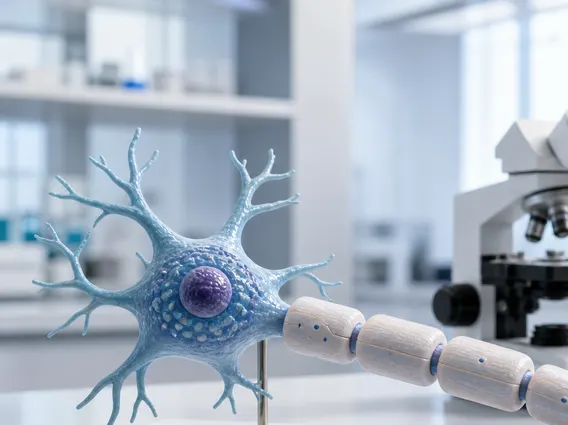
- Neurological dysfunction, such as nerve irritation or central sensitization, where the nervous system becomes overactive in processing pain signals.
- Musculoskeletal issues, particularly tension or spasm in the pelvic floor muscles, which can lead to localized pain and discomfort.
- Immunological factors, involving inflammatory responses within the prostate or surrounding tissues, even in the absence of infection.
- Psychological factors, including stress, anxiety, and depression, which can exacerbate pain perception and contribute to muscle tension.
- Prior infections or physical trauma to the pelvic region that may initiate a chronic pain cycle.
These factors can interact in complex ways, making CP/CPPS a challenging condition to diagnose and treat effectively.
Recognizing Symptoms and Exploring Treatment Options for CP/CPPS
The **symptoms of chronic pelvic pain in men** can vary significantly from person to person, both in type and intensity. They typically involve pain and discomfort in the pelvic area, but can also extend to other regions. Common symptoms include:
- Pain or discomfort in the perineum (area between the scrotum and anus), scrotum, penis, lower abdomen, or lower back.
- Urinary symptoms such as increased frequency, urgency, painful urination (dysuria), or difficulty starting or stopping urination.
- Sexual dysfunction, which may manifest as painful ejaculation, reduced libido, or erectile dysfunction.
- Pain that may worsen with prolonged sitting, physical activity, or sexual intercourse.
- Fluctuations in pain intensity, with periods of remission and flare-ups.
A range of **treatment options for chronic pelvic pain** are available, and management is often multidisciplinary, tailored to the individual’s specific symptoms and identified contributing factors. The goal is to alleviate pain, improve urinary and sexual function, and enhance overall quality of life. Common approaches include:
Medications are frequently used to manage symptoms. These may include alpha-blockers to relax bladder neck muscles, non-steroidal anti-inflammatory drugs (NSAIDs) for pain relief, muscle relaxants to ease pelvic floor tension, and neuropathic pain medications for nerve-related pain. In some cases, a trial of antibiotics may be considered if an underlying infection cannot be definitively ruled out, though this is less common for non-bacterial CP/CPPS.
Physical therapy, particularly pelvic floor physical therapy, is a cornerstone of treatment. Therapists can help identify and address muscle tension, trigger points, and dysfunction in the pelvic floor. Lifestyle modifications, such as dietary changes (avoiding irritants like caffeine, alcohol, and spicy foods), stress management techniques, and regular, gentle exercise, can also play a crucial role. Psychological support, including counseling or cognitive behavioral therapy (CBT), helps individuals cope with chronic pain and associated emotional stress. In select cases, minimally invasive procedures like nerve blocks may be considered for targeted pain relief.