Cytotoxin
Cytotoxins are a diverse group of substances that are toxic to cells, capable of inducing cellular damage or death. Understanding their mechanisms is crucial in various fields, from immunology to cancer therapy.
Key Takeaways
- Cytotoxin refers to any substance that has a toxic effect on cells, leading to their damage or death.
- Their cytotoxin mechanism of action often involves targeting vital cellular processes or structures, such as DNA, proteins, or membranes.
- The cytotoxin effects on cells can range from inhibiting growth and division to triggering programmed cell death (apoptosis) or uncontrolled cell lysis (necrosis).
- Types of cytotoxins include those produced by the immune system, bacteria, plants, and synthetic compounds used in chemotherapy.
- Cytotoxins are harnessed in medicine, particularly in oncology, to eliminate rapidly dividing cancer cells.
What is Cytotoxin?
A Cytotoxin is a substance that possesses toxicity towards cells, meaning it can cause damage to cells, impair their function, or induce their death. These substances are naturally occurring or synthetically produced and play significant roles in biological systems and medical applications. In the context of medicine, particularly oncology, the term often refers to agents used to target and destroy cancer cells, distinguishing them from other therapeutic agents that might only inhibit cell growth without directly killing them.
The impact of cytotoxins varies widely depending on their specific nature and the type of cell they encounter. Some cytotoxins are highly specific, affecting only certain cell types, while others can have broader effects. Their study is fundamental to understanding disease pathology, immune responses, and the development of new treatments for conditions like cancer and autoimmune disorders.
Cytotoxin Mechanism of Action and Cellular Effects
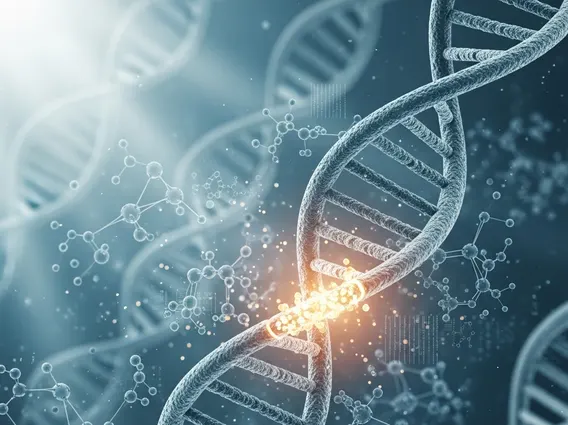
The cytotoxin mechanism of action involves a variety of molecular pathways designed to disrupt normal cellular function, ultimately leading to cell damage or death. These mechanisms are highly diverse, reflecting the wide range of cytotoxin types. Many cytotoxins target essential cellular components or processes, such as DNA replication, protein synthesis, mitochondrial function, or cell membrane integrity. For instance, some cytotoxins may intercalate into DNA, preventing its transcription and replication, while others might inhibit ribosomes, halting protein production critical for cell survival.
The primary cytotoxin effects on cells include inducing apoptosis (programmed cell death) or necrosis (uncontrolled cell death). Apoptosis is a more regulated process where the cell self-destructs without causing inflammation, often triggered by internal signals or external cytotoxic agents that activate specific death pathways. Necrosis, conversely, typically results from severe cellular injury, leading to cell swelling, lysis, and release of intracellular contents, which can provoke an inflammatory response. Other effects can include cell cycle arrest, inhibition of cell proliferation, or disruption of metabolic pathways, all of which compromise cell viability and function.
Types of Cytotoxins
The classification of types of cytotoxins can be broad, encompassing substances from various origins, each with distinct cellular targets and mechanisms. These can be broadly categorized based on their source or primary function:
- Immune System Cytotoxins: These are produced by the body’s immune cells, such as cytotoxic T lymphocytes (CTLs) and natural killer (NK) cells. Examples include perforin, which creates pores in target cell membranes, and granzymes, which enter the cell and trigger apoptosis. These are crucial for eliminating virus-infected cells and cancer cells.
- Bacterial Toxins: Many bacteria produce cytotoxins that damage host cells, contributing to disease pathology. Examples include diphtheria toxin, which inhibits protein synthesis, and certain pore-forming toxins that disrupt cell membranes.
- Plant Toxins: Various plants produce compounds that are cytotoxic to animal cells. Ricin, derived from castor beans, is a potent cytotoxin that inactivates ribosomes, halting protein synthesis.
- Chemotherapeutic Agents: A significant class of synthetic cytotoxins used in cancer treatment. These drugs are designed to selectively kill rapidly dividing cells, including cancer cells. Examples include alkylating agents (e.g., cyclophosphamide) that damage DNA, antimetabolites (e.g., methotrexate) that interfere with DNA and RNA synthesis, and topoisomerase inhibitors (e.g., etoposide) that prevent DNA unwinding.
- Venoms: Toxins found in the venom of snakes, spiders, and other animals often contain cytotoxic components that cause localized tissue damage and necrosis.
These diverse cytotoxins highlight the complexity of cellular toxicity and their varied applications in both natural processes and medical interventions.