
18fspa Rq
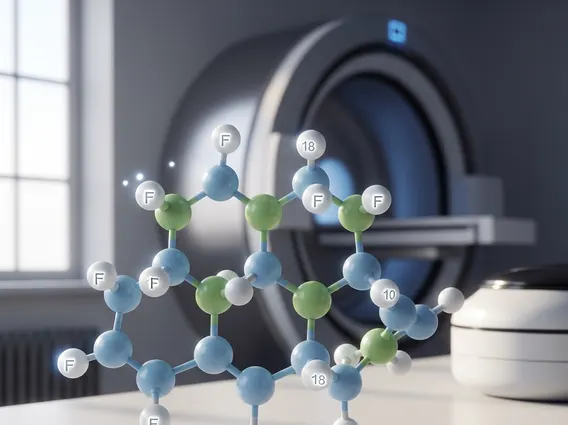
18fspa Rq represents a significant advancement in medical imaging, particularly within the field of oncology. This radiopharmaceutical agent plays a crucial role in diagnostic procedures, offering insights into metabolic activity at a cellular level.
Key Takeaways
- 18fspa Rq is a specialized radiopharmaceutical used in advanced medical imaging.
- It is primarily employed in Positron Emission Tomography (PET) scans to visualize and assess metabolic processes.
- The agent aids in the detection, staging, and monitoring of various cancers by highlighting areas of increased cellular activity.
- Its application provides critical information for treatment planning and evaluating therapeutic responses.
- Understanding 18fspa Rq is essential for comprehending modern diagnostic approaches in oncology.
What is 18fspa Rq?
18fspa Rq refers to a specific type of radiopharmaceutical designed for use in Positron Emission Tomography (PET) imaging. It is a compound labeled with the radioisotope Fluorine-18 (18F), which emits positrons. When introduced into the body, 18fspa Rq is taken up by cells, and the distribution of the emitted positrons can be detected by a PET scanner, creating detailed images of metabolic activity. The primary 18fspa rq meaning revolves around its function as a tracer that highlights areas of altered metabolism, which is often characteristic of disease processes, particularly in cancer.
The development of such agents is critical for non-invasive diagnostics. An 18fspa rq explanation often emphasizes its role in providing functional information about tissues and organs, rather than just anatomical structure. This functional insight allows clinicians to identify abnormalities at an early stage, sometimes before structural changes become apparent. This capability is vital for early detection and precise localization of diseases, making it an indispensable tool in modern medicine. Further information about 18fspa rq highlights its specificity and favorable pharmacokinetic properties, contributing to high-resolution imaging.
Applications and Clinical Relevance of 18fspa Rq
The clinical relevance of 18fspa Rq primarily lies in its utility for oncology diagnostics. By visualizing metabolic activity, 18fspa Rq assists in several key areas of cancer management. It can help in the initial detection of tumors, especially those that might be difficult to identify with conventional imaging techniques. Furthermore, it plays a significant role in the accurate staging of cancer, determining the extent of the disease and whether it has spread to other parts of the body. This information is crucial for guiding appropriate treatment strategies.
Beyond initial diagnosis and staging, 18fspa Rq is also valuable for monitoring treatment response. By comparing PET scans before and after therapy, clinicians can assess whether a tumor is responding to treatment, regressing, or progressing. This allows for timely adjustments to treatment plans, optimizing patient care. Early and accurate diagnosis, facilitated by advanced imaging agents like 18fspa Rq, is crucial in oncology, significantly improving patient outcomes. According to the World Health Organization (WHO), timely diagnosis and access to effective treatment can reduce the burden of cancer and improve survival rates globally.
Specific applications of 18fspa Rq in clinical practice include:
- Tumor Detection and Localization: Identifying primary tumors and metastatic lesions.
- Cancer Staging: Determining the extent of cancer spread throughout the body.
- Treatment Monitoring: Assessing the effectiveness of chemotherapy, radiation therapy, or other interventions.
- Recurrence Detection: Identifying cancer recurrence after treatment.
- Biopsy Guidance: Pinpointing metabolically active areas for more accurate biopsy sampling.
The ability of 18fspa Rq to provide detailed metabolic information contributes significantly to personalized medicine, enabling clinicians to make more informed decisions tailored to individual patient needs. Its continued integration into diagnostic protocols underscores its importance in advancing cancer care.



















