11c Choline Pet Ct Scan
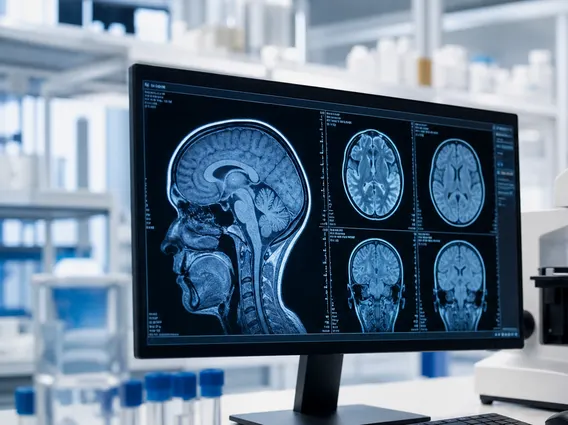
The 11C Choline PET CT Scan is an advanced medical imaging technique that combines positron emission tomography (PET) with computed tomography (CT) to provide detailed functional and anatomical information. It plays a crucial role in the diagnosis and management of various cancers, particularly those with altered choline metabolism.
Key Takeaways
- The 11C Choline PET CT Scan is an advanced hybrid imaging modality used primarily in oncology.
- It utilizes a radioactive tracer, 11C Choline, which is preferentially taken up by rapidly proliferating cancer cells.
- The scan helps detect, stage, and monitor certain cancers, especially recurrent prostate cancer and hepatocellular carcinoma.
- Benefits include high sensitivity, precise localization of lesions, and improved treatment planning.
- The CT component provides anatomical context, enhancing the accuracy of the PET findings.
What is an 11C Choline PET CT Scan?
A 11C Choline PET CT Scan is a sophisticated diagnostic imaging procedure that integrates two powerful technologies: Positron Emission Tomography (PET) and Computed Tomography (CT). This combined approach allows clinicians to visualize metabolic activity at a cellular level (PET) while simultaneously obtaining detailed anatomical images (CT). The core of this scan involves the administration of a radioactive tracer, 11C Choline, which is a synthetic form of choline labeled with the positron-emitting isotope Carbon-11.
Choline is an essential nutrient involved in cell membrane synthesis. Cancer cells, characterized by rapid proliferation, exhibit increased choline uptake and metabolism. The 11C Choline tracer exploits this metabolic difference, accumulating preferentially in malignant tissues. This enables the PET component to detect areas of increased metabolic activity, which often correspond to cancerous lesions, even before structural changes are visible on conventional imaging. The subsequent CT scan provides precise anatomical localization of these metabolically active areas, offering a comprehensive picture for diagnosis and staging.
Mechanism and Clinical Applications of 11C Choline PET CT
The mechanism of an 11C Choline PET CT scan relies on the altered metabolism of choline in cancer cells. Once injected, the 11C Choline tracer is rapidly absorbed by cells with high rates of cell membrane turnover, a hallmark of many aggressive cancers. The Carbon-11 isotope then undergoes positron emission, which is detected by the PET scanner. The PET images highlight areas of increased tracer uptake, indicating active disease. Simultaneously, the CT component provides high-resolution anatomical images, allowing for accurate correlation between the metabolic hotspots and specific anatomical structures.
The 11c choline PET CT scan uses are diverse, primarily within oncology. It is particularly valuable for:
- Prostate Cancer Recurrence: Detecting recurrent prostate cancer, especially in patients with rising PSA levels after initial treatment, where conventional imaging may be inconclusive.
- Hepatocellular Carcinoma (HCC): Assessing primary HCC and its intrahepatic or extrahepatic spread, offering insights into tumor viability and extent.
- Parathyroid Adenomas: Localizing hyperfunctioning parathyroid adenomas in patients with primary hyperparathyroidism.
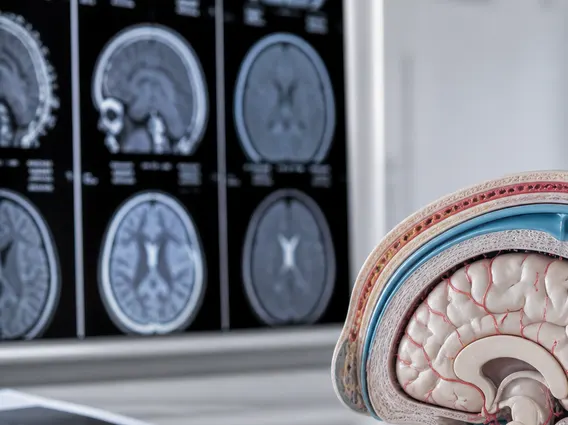
- Other Malignancies: Investigating certain brain tumors, renal cell carcinoma, and other cancers where choline metabolism is significantly altered.
This imaging modality aids in accurate staging, restaging, and monitoring of treatment response, providing critical information for personalized patient management. According to a review published in the Journal of Nuclear Medicine, 11C Choline PET CT has demonstrated superior sensitivity in detecting prostate cancer recurrence compared to conventional imaging modalities in specific clinical scenarios.
Benefits and Advantages of 11C Choline PET CT
The Benefits of 11c choline PET CT scan are substantial, offering significant advantages over traditional imaging techniques. One of the primary benefits is its high sensitivity and specificity in detecting cancerous lesions, particularly small or occult lesions that might be missed by CT or MRI alone. By visualizing metabolic activity rather than just anatomical changes, it can identify disease earlier, often leading to more timely intervention.
Furthermore, the combined PET and CT components provide precise anatomical localization of metabolically active tumors. This hybrid imaging approach significantly improves diagnostic accuracy, allowing clinicians to differentiate between benign and malignant lesions more effectively. The detailed information obtained from an 11C Choline PET CT scan is invaluable for guiding treatment decisions, including surgical planning, radiation therapy targeting, and assessing the efficacy of systemic therapies. Its non-invasive nature and ability to provide a whole-body assessment make it a powerful tool in modern oncological practice, contributing to improved patient outcomes and more tailored treatment strategies.