
Cytotoxic T Lymphocyte
A Cytotoxic T Lymphocyte is a specialized type of white blood cell that plays a critical role in the immune system’s ability to identify and eliminate infected or cancerous cells. These powerful immune cells are essential for maintaining health and preventing disease.
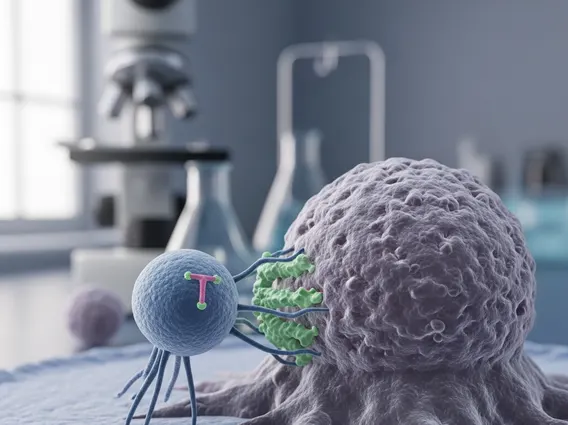
Key Takeaways
- Cytotoxic T Lymphocytes (CTLs) are a type of T cell crucial for adaptive immunity.
- CTLs specifically target and destroy cells infected with viruses or transformed into cancer cells.
- Their mechanism involves recognizing specific antigens presented on target cells via MHC class I molecules.
- CTLs induce apoptosis (programmed cell death) in target cells through the release of perforin and granzymes.
- The effective function of CTLs is vital for controlling viral infections and providing immune surveillance against cancer.
What is a Cytotoxic T Lymphocyte (CTL)?
A Cytotoxic T Lymphocyte (CTL) is a type of T cell, a white blood cell that is a key component of the adaptive immune system. These cells originate in the bone marrow and mature in the thymus, where they undergo a rigorous selection process to ensure they can recognize foreign invaders without attacking healthy host cells. CTLs are distinct from other T cells, such as helper T cells, due to their primary function: directly killing target cells. They are often referred to as killer T cells because of their potent ability to eliminate threats at a cellular level, making them indispensable for immune defense.
The development of CTLs involves several stages, including the expression of specific surface markers like CD8, which allows them to bind to major histocompatibility complex (MHC) class I molecules found on nearly all nucleated cells. This interaction is fundamental to their ability to identify and respond to intracellular pathogens and cellular abnormalities. Once activated, CTLs proliferate rapidly, forming a clone of effector cells capable of seeking out and destroying specific threats throughout the body.
Mechanism and Role of Cytotoxic T Cells in Immunity
The cytotoxic t cell function is to identify and eliminate cells that pose a threat to the organism, primarily those infected with intracellular pathogens like viruses or those that have become cancerous. This process is highly specific and relies on the recognition of foreign antigens presented on the surface of target cells. The overall cytotoxic t lymphocyte role in immunity is to provide a robust defense against these internal threats, preventing the spread of infection and the progression of disease.
How Do Cytotoxic T Cells Work?
Cytotoxic T cells initiate their killing mechanism upon encountering a target cell that displays specific foreign antigens on its surface, presented in the context of MHC class I molecules. This recognition is mediated by the T-cell receptor (TCR) on the CTL surface. Once activated, the CTL forms a tight immunological synapse with the target cell, leading to a series of events designed to induce programmed cell death, or apoptosis, in the target cell. This ensures that the cell is eliminated without causing significant inflammation or damage to surrounding healthy tissue.
The process by which CTLs eliminate target cells involves several key steps:
- Recognition: The CTL’s T-cell receptor binds to a specific antigen presented by an MHC class I molecule on the surface of an infected or cancerous cell.
- Adhesion: Adhesion molecules strengthen the bond between the CTL and the target cell, forming an immunological synapse.
- Granule Release: The CTL releases cytotoxic granules containing proteins such as perforin and granzymes into the synaptic cleft.
- Membrane Poration: Perforin creates pores in the target cell’s membrane, allowing granzymes to enter the cytoplasm.
- Apoptosis Induction: Granzymes activate a cascade of enzymes within the target cell, leading to its programmed cell death.
- Detachment: The CTL then detaches from the dying cell and can move on to find and eliminate other infected or cancerous cells.
This precise and efficient killing mechanism makes Cytotoxic T Lymphocytes indispensable in controlling viral infections, where they clear virally infected cells before the virus can replicate further. They are also critical in immune surveillance, constantly patrolling the body to detect and destroy nascent cancer cells, thereby preventing tumor formation and progression. Their ability to specifically target and eliminate compromised cells without harming healthy ones underscores their vital contribution to immune homeostasis and disease prevention.



















