Colposcopy
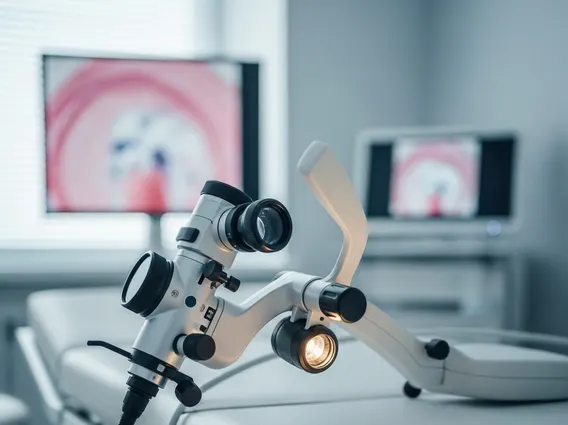
Colposcopy is a detailed medical examination of the cervix, vagina, and vulva using a specialized magnifying instrument called a colposcope. This procedure allows healthcare providers to closely examine tissues for signs of disease, particularly precancerous changes or cancer.
Key Takeaways
- Colposcopy is a diagnostic procedure used to closely examine the cervix, vagina, and vulva for abnormal cells.
- It is typically performed following an abnormal Pap test result or when other concerns arise.
- The procedure involves using a colposcope to magnify the tissues, often with the application of solutions to highlight abnormal areas.
- Preparation includes avoiding vaginal products and intercourse prior to the exam, with mild discomfort and spotting possible during recovery.
- Results help determine the presence and severity of abnormal cells, guiding further treatment or monitoring.
What is Colposcopy: Purpose and Procedure
Colposcopy is a medical procedure that involves a magnified visual inspection of the cervix, vagina, and vulva. Its primary purpose is to identify and evaluate abnormal areas that may have been detected during a routine Pap test or other screening. This detailed examination helps in the early detection of precancerous lesions or cancerous cells, allowing for timely intervention.
A colposcopy is performed for several key reasons, most commonly when a Pap test indicates abnormal cervical cells. Other reasons include unexplained bleeding, the presence of genital warts, or to monitor individuals with a history of abnormal cervical changes. According to the World Health Organization (WHO), cervical cancer is a significant global health concern, and procedures like Colposcopy are crucial for preventing its progression by identifying and treating precancerous conditions early.
The colposcopy procedure typically begins with the patient lying on an examination table, similar to a Pap test. A speculum is inserted into the vagina to hold the vaginal walls apart and allow clear visualization of the cervix. The colposcope, which remains outside the body, is then positioned to provide a magnified view. Solutions such as acetic acid (vinegar) and iodine may be applied to the cervix and vagina; these solutions help highlight abnormal areas by causing them to change color or texture. If suspicious areas are observed, a small tissue sample (biopsy) may be taken for further laboratory analysis. The procedure usually takes about 10 to 20 minutes.
Colposcopy Preparation, Recovery, and Results Explained
Proper **colposcopy preparation and recovery** are essential for accurate results and patient comfort. Before the procedure, patients are usually advised to avoid vaginal intercourse, douching, using tampons, or inserting any vaginal medications for at least 24 to 48 hours. It is also important to inform the healthcare provider about any allergies, current medications, or if there is a possibility of pregnancy. During the procedure, some patients may experience mild pressure or cramping, especially if a biopsy is taken.
After the colposcopy, recovery is generally straightforward. Patients might experience mild cramping, light bleeding, or dark discharge, particularly if a biopsy was performed. This discharge is often due to the solutions applied to the cervix or a liquid bandage used to stop bleeding from biopsy sites. It is typically recommended to avoid tampons, douching, and vaginal intercourse for a few days to a week to allow the cervix to heal. Most individuals can resume normal activities immediately, but strenuous exercise might be limited for a day or two. Any heavy bleeding, severe pain, or fever should be reported to a healthcare provider promptly.
Once the biopsy samples are analyzed, the **colposcopy results explained** will provide crucial information about the nature of any abnormal cells. Results can range from normal, indicating no significant abnormalities, to various grades of dysplasia (abnormal cell growth) or, in rare cases, cancer. Dysplasia is often categorized as low-grade (e.g., CIN1 or LSIL) or high-grade (e.g., CIN2, CIN3, or HSIL). Low-grade changes may resolve on their own, while high-grade changes are more likely to progress to cancer if left untreated. The healthcare provider will discuss the findings and recommend appropriate follow-up, which could include watchful waiting, repeat testing, or further treatment procedures like LEEP (Loop Electrosurgical Excision Procedure) or cryotherapy, depending on the severity and extent of the abnormalities found.