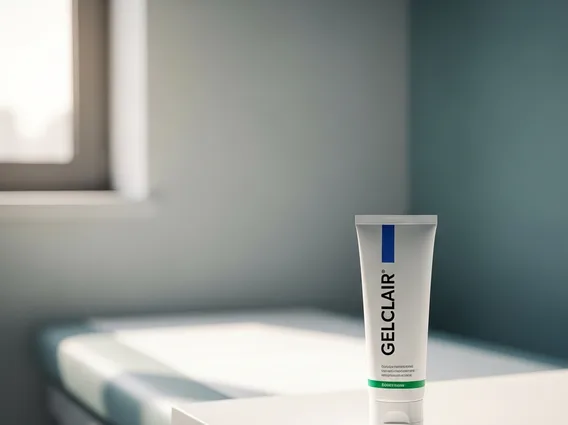
Gelclair
Gelclair is an oral rinse designed to manage and relieve pain associated with oral mucositis, a common and often debilitating side effect of certain medical treatments. This article provides comprehensive information on its purpose, usage, and potential effects.
Key Takeaways
- Gelclair is a viscous oral rinse used to alleviate pain from oral mucositis.
- It forms a protective barrier over the inflamed oral mucosa, reducing discomfort.
- It is commonly used by patients undergoing chemotherapy or radiation therapy.
- Proper mixing and application are crucial for its effectiveness.
- While generally well-tolerated, potential side effects are typically mild and transient.
What is Gelclair?
Gelclair is a specialized oral rinse specifically designed to alleviate the pain and discomfort associated with oral mucositis. Oral mucositis is a debilitating condition characterized by inflammation, soreness, and ulceration of the mucous membranes lining the mouth. It is a common and often severe side effect of various medical treatments, particularly high-dose chemotherapy and radiation therapy for head and neck cancers. The primary function of Gelclair is to form a protective, mechanical barrier over the inflamed or ulcerated tissues in the oral cavity. This barrier shields the sensitive areas from further irritation by food, drink, and saliva, thereby providing significant temporary pain relief. The unique formulation of Gelclair, often containing hyaluronic acid and polyvinylpyrrolidone (PVP), contributes to its mucoadhesive properties, allowing it to adhere to the oral mucosa and provide sustained comfort. Understanding what is Gelclair involves recognizing its role as a palliative treatment that significantly improves the quality of life for patients experiencing this painful condition.
Gelclair Uses, Benefits, and Potential Side Effects
Gelclair is used for the symptomatic relief of pain in patients suffering from oral mucositis, irrespective of its underlying cause. It is widely applied in oncology settings for individuals undergoing cancer treatments such as chemotherapy and radiation therapy, which frequently induce severe mouth sores. The primary Gelclair benefits are derived from its ability to create a protective film over the oral mucosa. This film acts as a physical shield, reducing friction and irritation, which in turn diminishes pain and discomfort. This allows patients to maintain better oral intake, speak more comfortably, and generally improve their daily functioning during a challenging treatment period.
Key benefits include:
- Targeted Pain Relief: Directly addresses the localized pain of oral mucositis.
- Physical Barrier Formation: Protects sensitive tissues from mechanical and chemical irritants.
- Enhanced Oral Comfort: Facilitates essential activities like eating, drinking, and speaking.
- Non-Systemic Action: Works locally within the mouth, minimizing systemic side effects.
Regarding Gelclair potential side effects, the product is generally well-tolerated. Most reported adverse effects are mild and transient, such as a temporary altered taste sensation or a feeling of stickiness in the mouth. Rarely, individuals might experience an allergic reaction; if symptoms like rash, itching, or swelling occur, use should be discontinued, and medical advice sought immediately. This product provides crucial Gelclair for mouth sores information, offering a non-pharmacological option to manage the often severe pain associated with these lesions, thereby supporting patient adherence to their primary medical treatments.
How to Use Gelclair Oral Rinse
How to use Gelclair oral rinse correctly is essential for achieving its intended therapeutic effect. Gelclair is typically supplied in convenient single-dose sachets. To prepare, the entire contents of one sachet should be poured into a clean glass. Then, approximately 15 ml (equivalent to one tablespoon) of water should be added to the sachet contents. It is crucial to stir the mixture thoroughly until a uniform, viscous solution is formed. This ensures the active ingredients are properly dispersed and ready to coat the oral tissues effectively.
Once prepared, the solution should be used to rinse the mouth for at least one minute. During this time, it is important to swish the solution around to ensure it comes into contact with all areas of the mouth, especially any painful or ulcerated regions. After rinsing, the solution should be spit out. To allow the protective barrier to fully form and adhere to the oral mucosa, patients should refrain from eating or drinking for at least 30 to 60 minutes following use. Gelclair can be used three times a day, or as frequently as recommended by a healthcare professional, depending on the severity of the mucositis. Adhering strictly to these instructions will optimize the efficacy of Gelclair and provide the best possible relief from oral mucositis pain.